Background
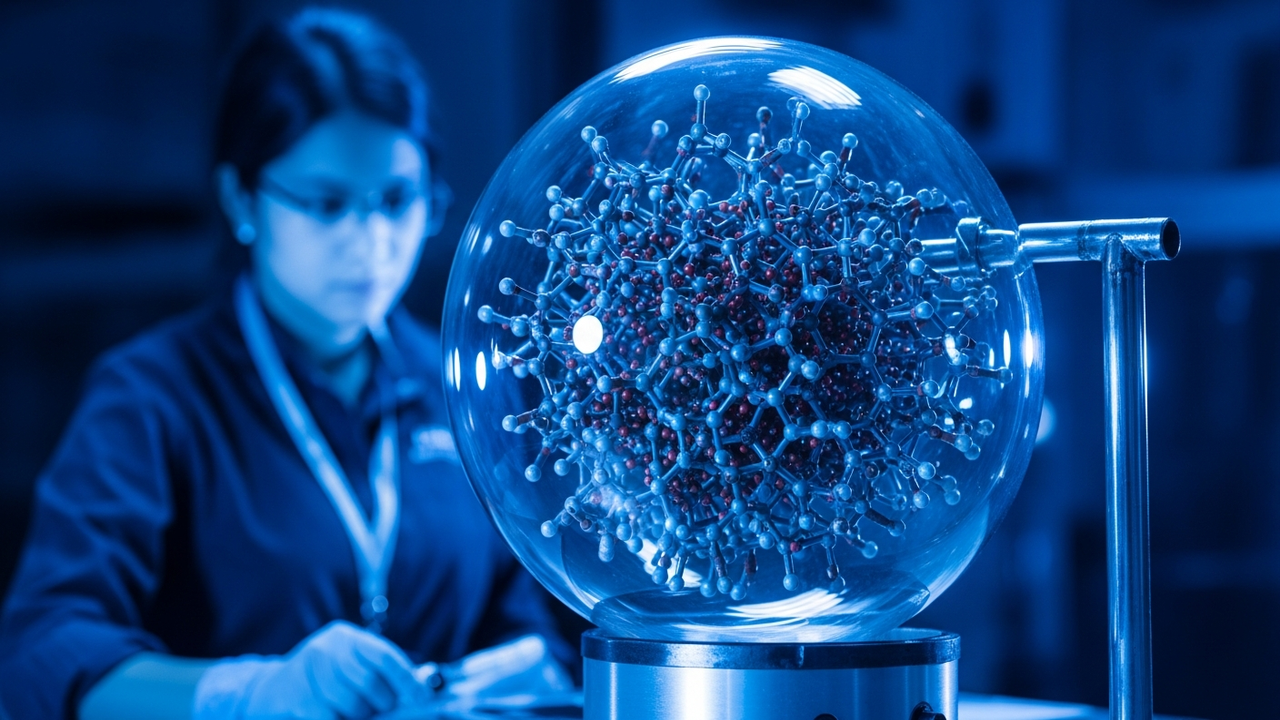
Electrocatalytic multi-electron transfer reactions are fundamental to a sustainable future, underpinning technologies vital for energy conversion (such as fuel cells and water electrolysis), environmental remediation (like CO2 reduction and pollutant degradation), and advanced chemical synthesis. Historically, these critical reactions have been hampered by significant challenges: a heavy reliance on expensive noble metals (e.g., platinum, palladium), inadequate catalyst durability, and insufficient selectivity toward desired products. In response, high-entropy alloys (HEAs) have rapidly emerged as a cost-effective and highly promising alternative material class. Defined by their composition of five or more elements in near-equiatomic ratios, HEAs leverage a high entropy effect to achieve stable single crystalline phases, offering substantial economic and environmental advantages for various industries by enabling noble-metal-free or low-noble-metal catalyst designs.
Key Findings
A recent review article published in PMC emphatically highlights high-entropy alloy (HEA) nanomaterials as an exceptionally promising catalyst platform for electrocatalytic multi-electron transfer reactions. The review details how the intricate interplay of compositional complexity, precise morphological control, and local electronic modulation within HEAs critically governs their catalytic activity, selectivity, and durability. Notably, HEAs, especially in their nanostructured forms, are poised to deliver performance enhancements that significantly surpass conventional catalysts, marking a substantial advance for sustainable chemistry.
The superior catalytic performance of nanostructured HEAs in multi-electron transfer reactions—such as the oxygen reduction reaction, hydrogen evolution reaction, and CO2 reduction reaction—stems from several primary mechanisms:
- Multi-component Synergistic Effect: The unique interactions among multiple metallic elements effectively optimize the electronic states of active sites and finely tune the adsorption energy of crucial reaction intermediates.
- Morphological Control: Engineering specific morphologies, including nanoparticles, nanowires, or thin films, strategically maximizes the available surface area and enhances accessibility to active sites, thereby improving reaction efficiency.
- Local Electronic Modulation: The inherent lattice distortion and distinct electronic structure characteristic of HEAs work to lower activation energy barriers in catalytic reaction pathways, which consequently boosts reaction rates.
These combined factors enable HEA nanocatalysts to achieve high activity, excellent selectivity, and remarkable long-term durability, even under the most demanding electrochemical conditions. This transformative potential extends to diverse applications, from high-efficiency fuel cells and green hydrogen production to CO2 valorization and next-generation batteries, positioning HEA nanocatalysts as globally competitive solutions for green technologies.
Source: #
Get our weekly technology intelligence — free
Receive an infographic that lets you judge at a glance whether each field’s analysis report is worth reading.
Subscribe Free — Weekly Tech Intelligence
By subscribing, you’ll receive Troy-Technical’s weekly technology intelligence newsletter.
- Your email and selected fields are used only to deliver the newsletter.
- We never share your information with third parties.
- You can unsubscribe anytime via the link in each email.
See our Privacy Policy for details.
Takes about a minute · Unsubscribe anytime