Key Findings
Lipid nanoparticles (LNPs) have emerged as indispensable nanodrug delivery systems, playing a pivotal role in the success of mRNA vaccines and fundamentally transforming the landscape of RNA therapeutics. LNPs are critical for efficiently encapsulating and delivering fragile nucleic acids, such as mRNA and siRNA, into target cells, thereby overcoming significant biological barriers that would otherwise render these molecules ineffective.
Technical / Clinical Details
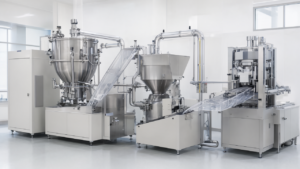
LNPs are typically composed of four key lipid components: ionizable lipids, which facilitate LNP formation and endosomal escape of the nucleic acid; phospholipids, providing structural integrity; cholesterol, contributing to stability and biocompatibility; and PEG-lipids, which enhance systemic circulation time and prevent aggregation. Formulation methods, such as microfluidics, are crucial for achieving uniform particle size distribution and high encapsulation efficiency. Critical quality attributes for LNPs include particle size, polydispersity index (PDI), zeta potential, nucleic acid encapsulation efficiency, and physical stability. While current LNPs predominantly accumulate in the liver, a major focus of ongoing research involves surface modifications to improve biodistribution and enable selective tissue targeting beyond hepatic cells. By functionalizing LNP surfaces with specific ligands, researchers aim to achieve targeted delivery to various cell types and organs, such as muscle, spleen, or tumors, thereby maximizing therapeutic efficacy and minimizing off-target effects.
Background & Context
Nucleic acid-based therapeutics hold immense promise for treating a wide array of diseases by directly modulating gene expression. However, their inherent instability in biological fluids and inability to readily cross cell membranes have historically posed formidable delivery challenges. The advent of LNP technology provided a breakthrough, enabling the successful clinical translation of mRNA vaccines against COVID-19, which underscored the LNP’s capability to protect and deliver nucleic acids effectively. This success has rapidly expanded the field of RNA therapeutics, spurring development across genetic disorders, oncology, infectious diseases, and autoimmune conditions. Optimizing LNP design and manufacturing is now a high-priority area within the pharmaceutical industry, crucial for the continued advancement of this modality.
Strategic Significance & Outlook
LNP technology is poised to remain a central pillar in the progression of nucleic acid therapeutics. Future advancements will particularly focus on enhancing the targeting capabilities of LNPs to specific tissues and cell types. This includes the incorporation of cell-specific targeting ligands and the development of ‘smart’ LNPs that can respond to physiological cues. Such innovations will enable lower dosing, reduced off-target toxicities, and maximized therapeutic benefits. Furthermore, efforts to scale up manufacturing processes and reduce production costs are critical for broader market penetration and accessibility of LNP-based drugs. The continuous evolution of LNP technology is expected to unlock the full potential of gene therapy, gene editing, and other novel therapeutic modalities, significantly impacting the future of medicine worldwide.
Source: https://insidetx.com/resources/reviews/complete-guide-to-understanding-lipid-nanoparticles-lnp/
Get our weekly technology intelligence — free
Receive an infographic that lets you judge at a glance whether each field’s analysis report is worth reading.
Subscribe Free — Weekly Tech Intelligence
By subscribing, you’ll receive Troy-Technical’s weekly technology intelligence newsletter.
- Your email and selected fields are used only to deliver the newsletter.
- We never share your information with third parties.
- You can unsubscribe anytime via the link in each email.
See our Privacy Policy for details.
Takes about a minute · Unsubscribe anytime