Key Findings
“Frontiers in Nanotechnology,” an international open-access journal specializing in research, has announced numerous groundbreaking studies on the application of nanoscale science and engineering. These studies highlight nanotechnology’s innovative role in medicine, environmental science, and various industrial sectors. Particularly noteworthy are advancements in nanobiosensors for environmental monitoring, novel nanoplatforms for enhancing gene editing efficiency, and the application of nanomaterials to explore new pharmacological mechanisms.
Technical and Research Details
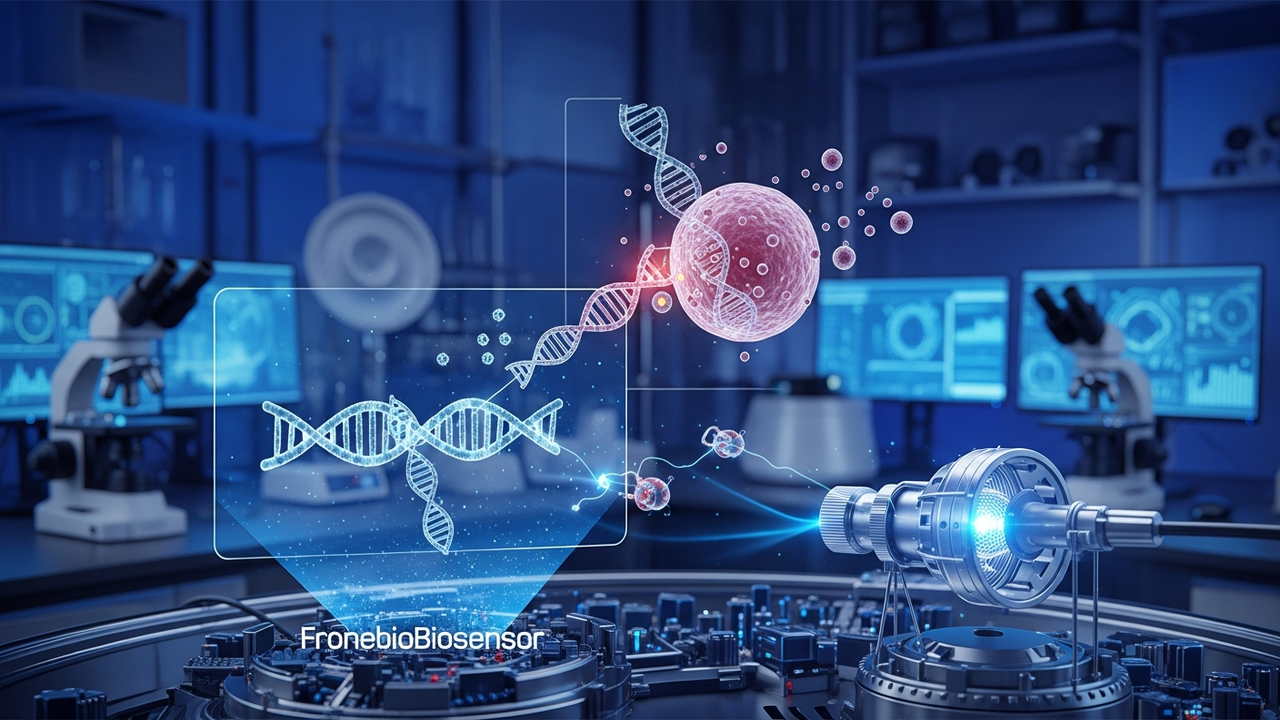
- Nanobiosensors for Soil and Plant Health Monitoring: This research demonstrates that biosensors utilizing nanoscale sensing elements can detect environmental health indicators such as soil nutrient levels, pollutants, pathogens, and plant stress responses with high sensitivity and in real-time. This enables more rapid and precise interventions in precision agriculture and environmental protection.
- Enhanced Gene Silencing and CRISPR/Cas9 Editing via Charge Modulation: The precise control over the charge characteristics of peptide/nucleic acid complexes has been shown to significantly improve the intracellular and nuclear delivery efficiency of therapeutic nucleic acids (e.g., siRNA, sgRNA). This technology provides a new platform for reducing off-target effects and enhancing the therapeutic efficacy of gene silencing and CRISPR/Cas9 genome editing.
- Impact of Gold Nanoparticles and Cannabidiol Oil-Derived Nanoemulsions on Oxytocin-Induced Uterine Contractions: This study discovered that gold nanoparticles and nanoemulsions derived from cannabidiol (CBD) oil exert specific pharmacological effects on oxytocin-induced uterine contractions. This suggests the potential to develop new nanomedicine approaches for treating pregnancy-related complications and gynecological diseases.
- Other Research: The journal also regularly publishes research on various aspects of nanotechnology, including nanomaterial synthesis, characterization, energy storage, catalysis, water treatment, and diagnostic imaging.
Background and Industry Context
Nanotechnology harnesses the unique phenomenon where material properties dramatically change at the nanoscale, holding the potential to overcome the limitations of conventional technologies. In recent years, applied research in nanotechnology has rapidly progressed across diverse fields such as medicine, environment, agriculture, and information technology, accelerating the translation from basic research to practical applications. Open-access journals, in particular, play a crucial role in promoting collaboration between academia and industry and accelerating the innovation cycle by facilitating rapid and wide dissemination of research findings.
Future Outlook
The research presented in “Frontiers in Nanotechnology” indicates that nanotechnology will continue to contribute to solving a wide range of societal challenges. Specifically, nanobiosensors are poised to revolutionize real-time diagnostics in environmental monitoring and healthcare, while gene-editing technologies will expand treatment options for intractable diseases. Furthermore, the pharmacological applications of nanomaterials could pave the way for developing new drugs with fewer side effects. While challenges such as safety evaluation, manufacturing costs, and scalability need to be overcome for these technologies to be widely adopted, interdisciplinary collaboration and sustained research investment are expected to enable nanotechnology to bring immeasurable value to society.
Source: https://www.frontiersin.org/journals/nanotechnology
Get our weekly technology intelligence — free
Receive an infographic that lets you judge at a glance whether each field’s analysis report is worth reading.
Subscribe Free — Weekly Tech Intelligence
By subscribing, you’ll receive Troy-Technical’s weekly technology intelligence newsletter.
- Your email and selected fields are used only to deliver the newsletter.
- We never share your information with third parties.
- You can unsubscribe anytime via the link in each email.
See our Privacy Policy for details.
Takes about a minute · Unsubscribe anytime