Key Findings
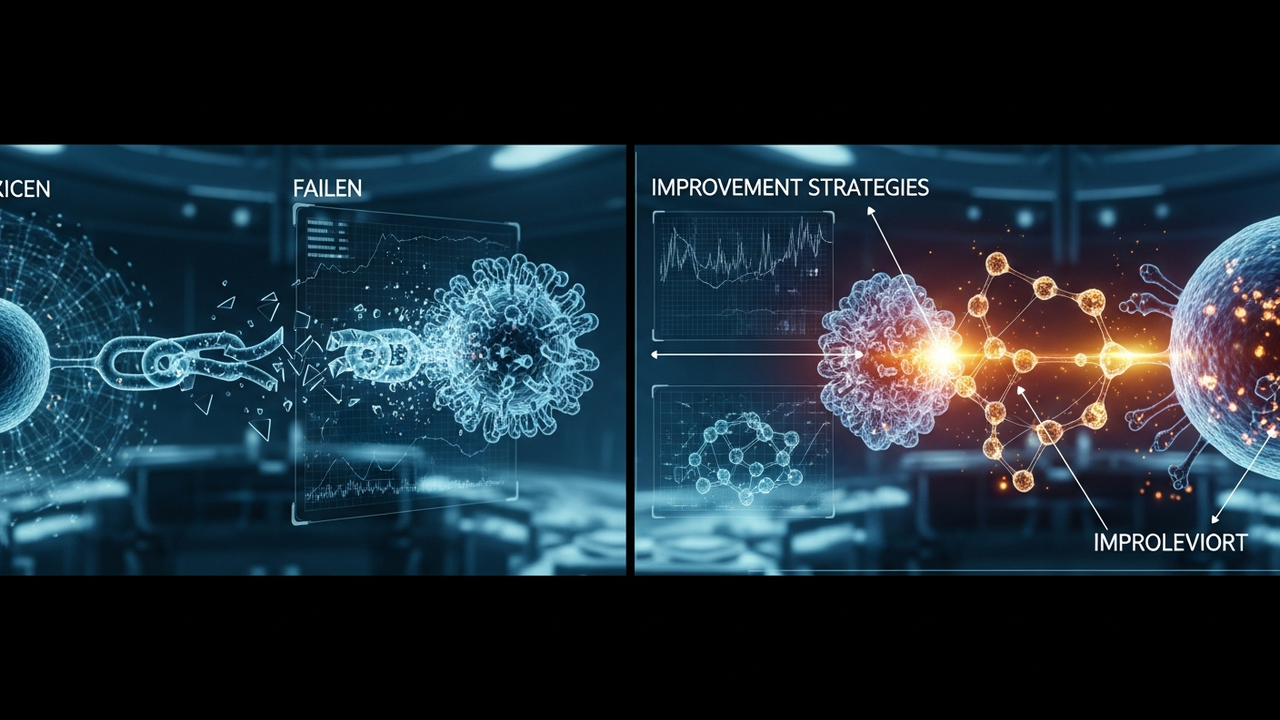
In the field of anticancer nanomedicine, a fundamental challenge has emerged: conventional design paradigms—specifically criteria like increased drug accumulation via the Enhanced Permeability and Retention (EPR) effect in tumors and reduced systemic toxicity through prolonged circulation—have not directly correlated with improved efficacy in human clinical settings. Many promising nanomedicine candidates, despite demonstrating excellent results in preclinical models, face a “translation barrier,” failing to achieve anticipated clinical benefits in human cancer patients. In response, this review critically analyzes the shortcomings of existing design criteria and proposes new directions, advocating for a paradigm shift toward developing more effective next-generation anticancer nano-drugs.
Technical and Clinical Details
- Overreliance on the EPR Effect: The EPR effect describes the phenomenon where nanoparticles selectively accumulate and are retained in tumor tissue due to its leaky vasculature and impaired lymphatic drainage. However, it has become evident that the extent of the EPR effect in human tumors differs significantly from mouse models and exhibits substantial heterogeneity among patients. Consequently, nanoparticle designs solely relying on the EPR effect are considered insufficient for efficient drug delivery to human tumors.
- Limitations of Prolonged Circulation and Toxicity Reduction: The strategy of extending nanoparticle circulation time in the body to increase drug-to-tumor exposure while reducing systemic drug exposure to normal tissues (and thus toxicity) has, apart from a few successful cases, often not translated into anticipated clinical benefits. It is suggested that merely prolonging circulation time does not necessarily lead to effective drug accumulation in tumors.
- Root Causes of Translation Failure:
- The heterogeneity of human tumors (e.g., vascular structure, interstitial pressure, extracellular matrix composition) is far greater than in in vitro or animal models.
- Complex interactions between nanoparticles and biological systems (e.g., immune system, reticuloendothelial system) can unpredictably affect pharmacokinetics and safety.
- Differences in disease progression, drug concentrations, and dosing regimens between preclinical models and human clinical settings.
Background and Industry Context
Cancer remains a leading cause of death, making the development of more effective and safer therapies an urgent priority. Nanomedicine has attracted substantial research investment due to its high potential. However, despite decades of research, only a few anticancer nano-drugs, such as Doxil and Abraxane, have reached clinical application, and their efficacy has not dramatically surpassed existing small-molecule drugs. This review underscores the importance of learning from past failures as the nanomedicine field formulates new research strategies.
Future Outlook
Future anticancer nanomedicine design must move beyond an over-reliance on the EPR effect and adopt more multifaceted approaches. Proposed new directions include:
- Enhanced Active Targeting: Modifying nanoparticle surfaces with ligands that recognize tumor-specific receptors or antigens to promote active cellular uptake.
- Modulation of the Tumor Microenvironment: Developing nano-drugs that alter the tumor microenvironment to a therapeutically advantageous state, for example, by activating immune cells, reducing interstitial pressure, or normalizing vasculature.
- Theranostics: Integrating diagnostic (imaging) and therapeutic functions to enable real-time monitoring of treatment efficacy and personalized therapeutic strategies based on individual tumor characteristics.
- Synergistic Combination Strategies: Developing combination therapies that maximize synergistic effects with other treatment modalities, such as immunotherapy, radiation therapy, and chemotherapy, rather than relying solely on nano-drugs.
Through these new approaches, nanomedicine holds the potential to bring about a true revolution in cancer treatment.
Source: https://pubs.acs.org/ancac3/article/14/10/12281/884267/What-Went-Wrong-with-Anticancer-Nanomedicine
Get our weekly technology intelligence — free
Receive an infographic that lets you judge at a glance whether each field’s analysis report is worth reading.
Subscribe Free — Weekly Tech Intelligence
By subscribing, you’ll receive Troy-Technical’s weekly technology intelligence newsletter.
- Your email and selected fields are used only to deliver the newsletter.
- We never share your information with third parties.
- You can unsubscribe anytime via the link in each email.
See our Privacy Policy for details.
Takes about a minute · Unsubscribe anytime