Key Findings
Greene Tweed has introduced a groundbreaking approach to prototyping thermoplastic composite parts for the aerospace and defense sectors, successfully reducing manufacturing time by up to 50%. This significant efficiency gain is set to accelerate the development and market introduction of high-performance components for Advanced Air Mobility (AAM) and other critical defense applications.
Technical / Clinical Details
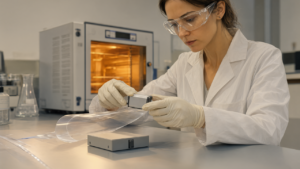
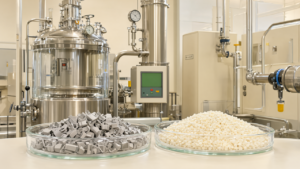
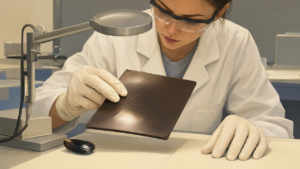
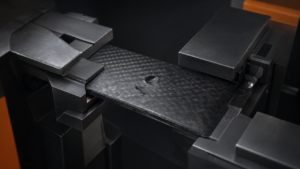
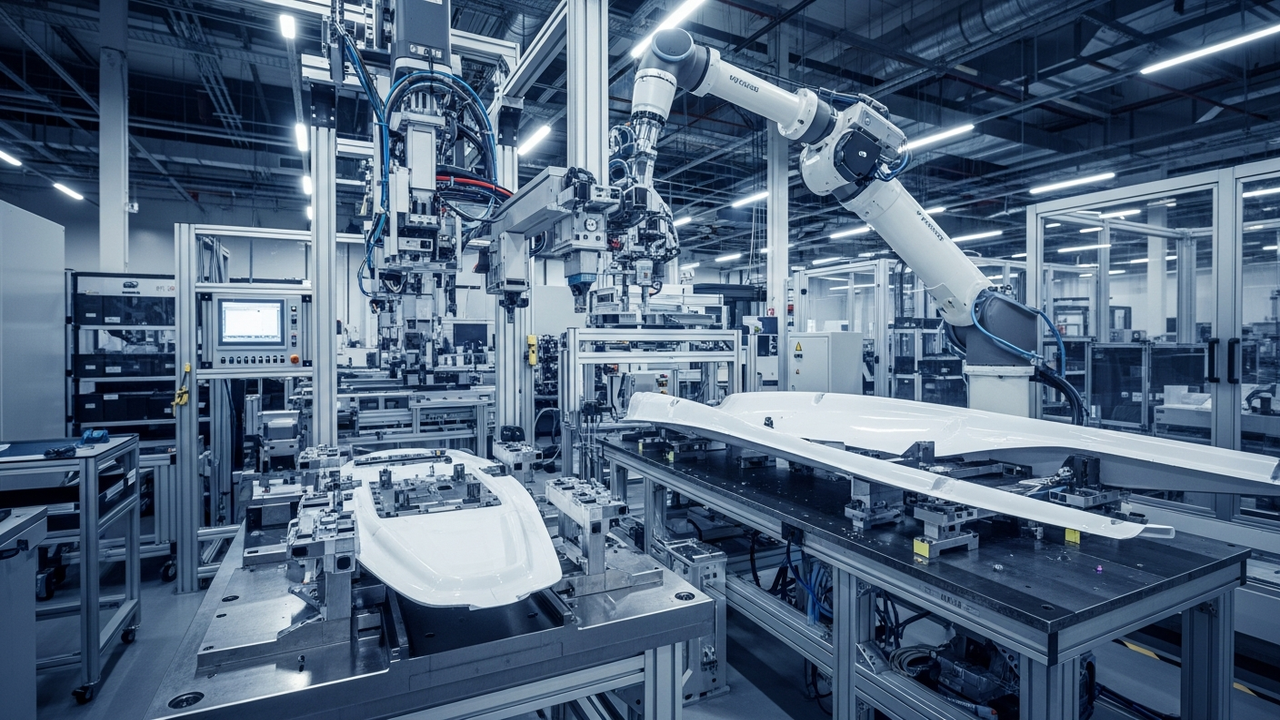
At the core of this new prototyping strategy is a modular tooling system equipped with interchangeable cavity inserts. Unlike traditional, single-purpose tooling, the modular system can be easily reconfigured to accommodate different part geometries and design iterations, eliminating the need to fabricate costly molds for each revision. This dramatically reduces both the time and expense associated with prototype iterations. The thermoplastic composite materials employed are lightweight yet possess superior strength and heat resistance, meeting the stringent performance requirements of AAM and defense applications. By allowing for rapid and economical evaluation of multiple design changes, this technology shortens development cycles and contributes to improving the quality of the final product.
Background & Context
The aerospace and defense industries are relentlessly pursuing higher performance and lighter weight, with a particularly accelerating adoption of composite materials. Thermoplastic composites have garnered significant attention for their excellent mechanical properties, fatigue resistance, and recyclability, but their processing traditionally required advanced techniques and expensive tooling. In emerging markets like AAM, the speed of technological development dictates competitiveness, making efficient prototyping an urgent challenge. Greene Tweed’s solution directly addresses these challenges, enabling faster innovation.
Strategic Significance & Outlook
The modular tooling approach for thermoplastic composite prototyping holds promise not only for AAM and defense but also for a broad range of sectors demanding high-performance composites, including automotive, medical devices, and industrial machinery. This method will enhance product development speed and flexibility, reduce costs, and strengthen companies’ competitive edge in bringing innovative products to market. In the future, there is potential for integration with AI and machine learning, evolving into a ‘digital thread’ that further optimizes the entire process from design to manufacturing.
Get our weekly technology intelligence — free
Receive an infographic that lets you judge at a glance whether each field’s analysis report is worth reading.
Subscribe Free — Weekly Tech Intelligence
By subscribing, you’ll receive Troy-Technical’s weekly technology intelligence newsletter.
- Your email and selected fields are used only to deliver the newsletter.
- We never share your information with third parties.
- You can unsubscribe anytime via the link in each email.
See our Privacy Policy for details.
Takes about a minute · Unsubscribe anytime