Key Findings
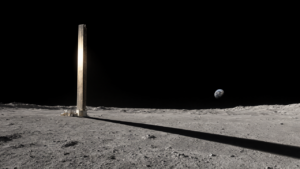
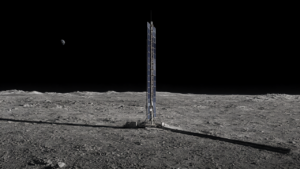
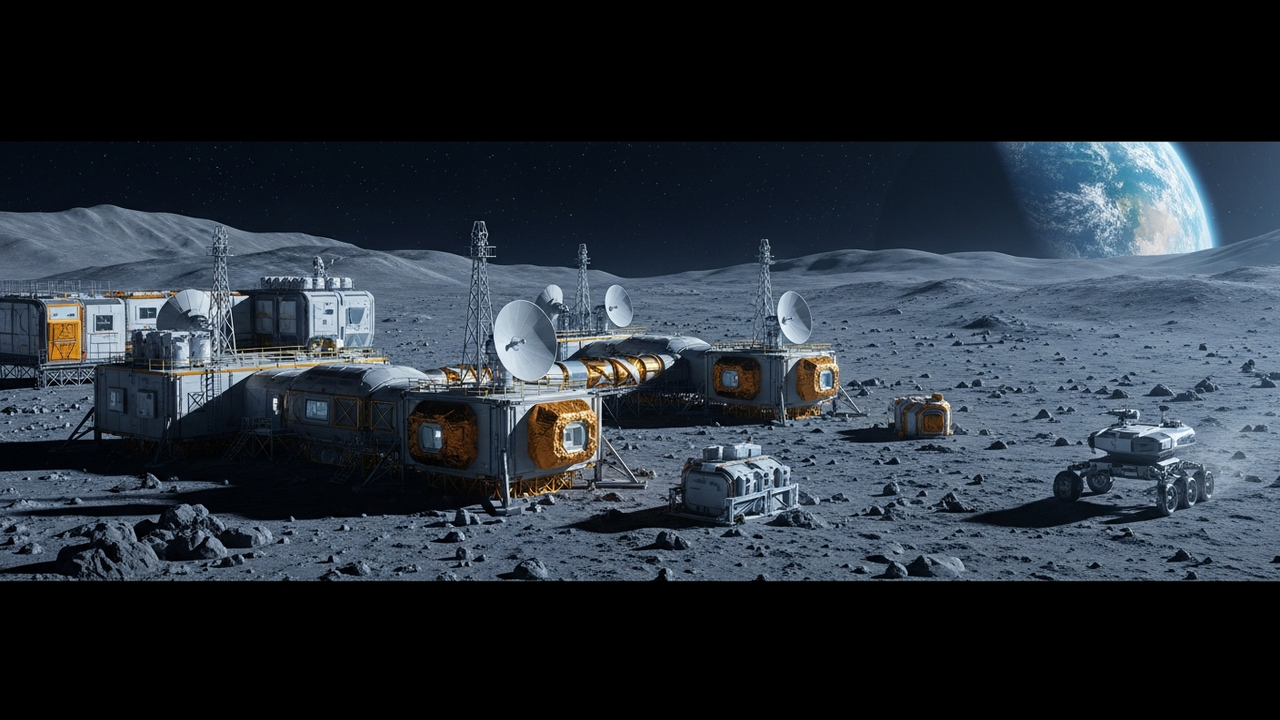
NASA has unveiled a detailed plan for the construction of “Moon Base,” the first permanent human outpost on the lunar surface, revealing a roadmap for incremental infrastructure development near the Moon’s South Pole. This ambitious plan aims to enable astronauts to live, work, and conduct scientific exploration on the Moon for extended periods, ultimately serving as a critical stepping stone for future human missions to Mars.
Technical Details
Moon Base will comprise a diverse array of elements, including power generation systems (solar and nuclear fission reactors), life support systems, communication infrastructure, habitation modules, and In-Situ Resource Utilization (ISRU) technologies. The lunar South Pole is a prime candidate site due to the high probability of water ice in permanently shadowed regions and relatively long periods of sunlight, which are advantageous for power generation. Initial phases will involve topographic surveys and resource assessment using uncrewed rovers and robotic arms, followed by the deployment of habitation modules and scientific experiment facilities through crewed missions.
Background & Context
The concept of Moon Base, being advanced as part of the Artemis program, aims not just for short-term lunar stays but for the establishment of a sustainable human presence on the Moon. This represents a crucial step in enhancing humanity’s survival capabilities in deep-space environments far from Earth and improving autonomous operational capacities. Commercial partners and international cooperation are integral to the plan, leveraging lunar landing systems provided by companies like Blue Origin and SpaceX, as well as experiences from the International Space Station (ISS). The construction of a lunar base is expected to generate new markets and technological innovations across the entire space economy.
Strategic Significance & Outlook
NASA’s Moon Base plan will be realized incrementally over the coming decades. Early missions will focus on infrastructure demonstration and fundamental scientific research, transitioning to long-duration habitation missions aimed at pursuing scientific discoveries. Ultimately, the knowledge and technologies gained from the lunar surface will be directly applied to Mars exploration, opening new doors for humanity to explore further into the solar system. This lunar base will be a symbol of maximizing the unprecedented possibilities space offers and expanding humanity’s frontier.
Source: https://www.nasa.gov/moonbase/
Get our weekly technology intelligence — free
Receive an infographic that lets you judge at a glance whether each field’s analysis report is worth reading.
Subscribe Free — Weekly Tech Intelligence
By subscribing, you’ll receive Troy-Technical’s weekly technology intelligence newsletter.
- Your email and selected fields are used only to deliver the newsletter.
- We never share your information with third parties.
- You can unsubscribe anytime via the link in each email.
See our Privacy Policy for details.
Takes about a minute · Unsubscribe anytime