Key Findings
The U.S. National Science Foundation (NSF) has awarded an $18 million grant to a research team at the University of California San Diego (UC San Diego) to establish a new Materials Research Science and Engineering Center (MRSEC). This center will be dedicated to the advanced research and development of quantum materials, serving as a critical foundation for next-generation technological innovation.
Technical / Clinical Details
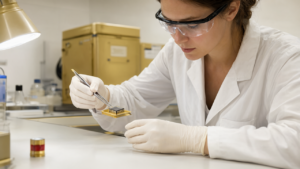
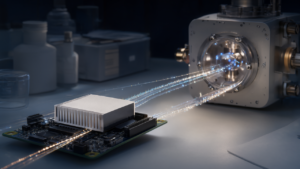
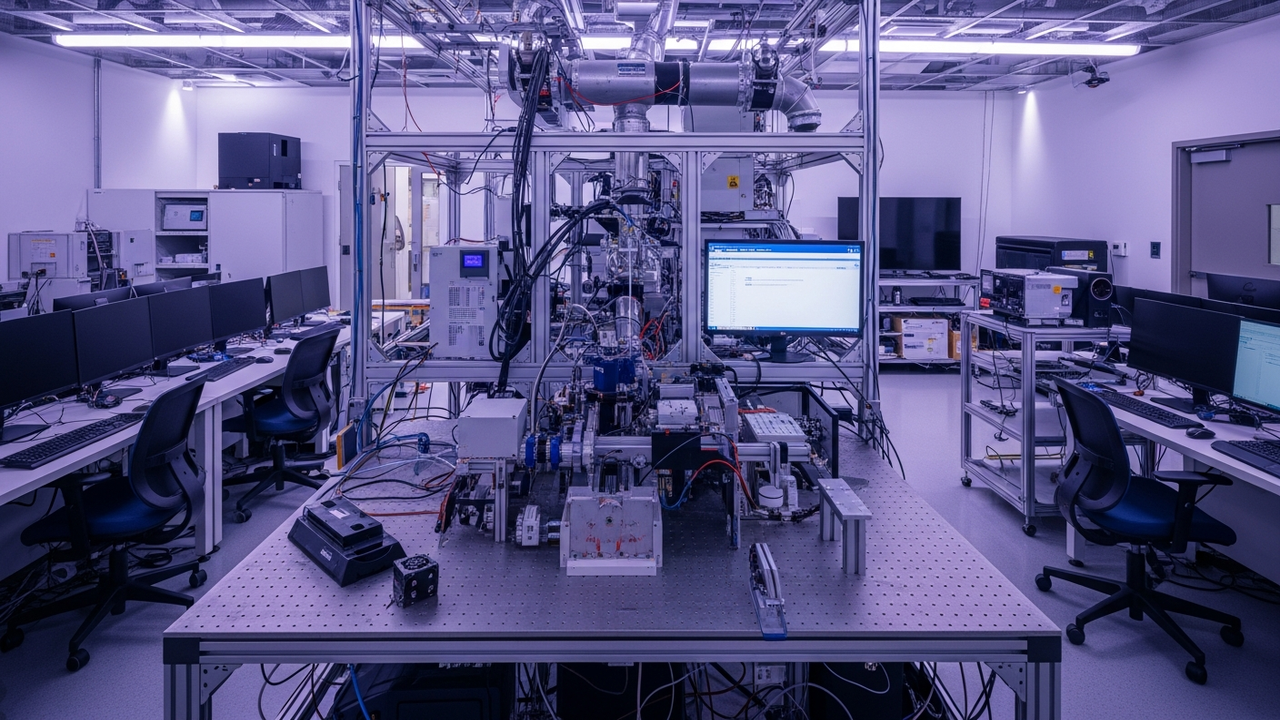
The newly established MRSEC will focus on the synthesis, characterization, and theoretical modeling of novel quantum materials. Researchers will explore substances exhibiting exotic quantum states, such as superconductors, topological materials, and quantum dots, and develop methods to control their quantum properties. These materials are indispensable for the quantum bits that form the basis of quantum computers, ultra-secure quantum communication systems, energy-efficient low-power computing devices, and innovative applications in medical diagnostics and sensing. The MRSEC will adopt an interdisciplinary approach, fostering collaboration among experts in physics, chemistry, materials science, and engineering to advance research from fundamental to applied levels.
Background & Context
Quantum materials, with their unique physical properties, enable the realization of devices with capabilities unattainable by conventional materials. As countries worldwide engage in a fierce competition to develop quantum technologies, the U.S. government is intensifying its investments in quantum science and technology as a national priority. The NSF’s MRSEC program aims to advance the frontiers of materials science, contributing to economic competitiveness and national security. This significant grant to UC San Diego underscores the importance of materials development within the U.S. quantum technology roadmap and is expected to accelerate future quantum innovation.
Strategic Significance & Outlook
The MRSEC established at UC San Diego is expected to bolster U.S. leadership in quantum materials research and foster numerous groundbreaking discoveries. The new quantum materials developed will not only enhance the performance of future quantum computing hardware but also hold broad application potential in data security, precision medicine, and advanced sensing technologies. Furthermore, this center will serve as a vital educational hub for training the next generation of quantum scientists and engineers, contributing to the growth of the overall U.S. quantum ecosystem. The $18 million investment is anticipated to have long-term impacts, bridging the gap from fundamental research to practical implementation.
Get our weekly technology intelligence — free
Receive an infographic that lets you judge at a glance whether each field’s analysis report is worth reading.
Subscribe Free — Weekly Tech Intelligence
By subscribing, you’ll receive Troy-Technical’s weekly technology intelligence newsletter.
- Your email and selected fields are used only to deliver the newsletter.
- We never share your information with third parties.
- You can unsubscribe anytime via the link in each email.
See our Privacy Policy for details.
Takes about a minute · Unsubscribe anytime