Key Findings
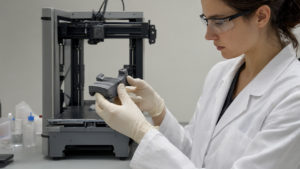
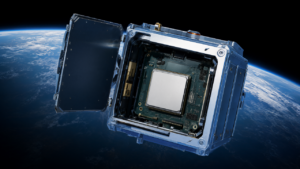
Purdue University’s School of Chemical Engineering and Redwire, a leading company in space manufacturing technologies, have announced the successful launch and continuation of their second series of pharmaceutical crystallization experiments aboard the International Space Station (ISS). This vital initiative aims to meticulously investigate how the microgravity environment affects the nucleation, growth, final morphology, and overall quality of pharmaceutical crystals, seeking new insights to revolutionize drug manufacturing processes on Earth.
Technical Details
In this ongoing experiment series, specific pharmaceutical candidates are selected, and their crystal growth processes are precisely monitored and analyzed under microgravity conditions. On Earth, gravity-induced convection and sedimentation can lead to non-uniform crystal growth and defects; however, in the microgravity environment of the ISS, these effects are eliminated. This is expected to enable the formation of larger, more uniform, and higher-purity crystals. The research focuses on elucidating how microgravity influences the solubility, stability, and bioavailability of pharmaceuticals through X-ray diffraction analysis of crystal structures and morphological evaluations.
Background & Context
The pharmaceutical industry faces persistent challenges in improving drug quality and manufacturing efficiency. In particular, non-uniformity in crystal structure can impact drug efficacy and safety. In-space pharmaceutical manufacturing has gained increasing attention in recent years as a potential solution to overcome these challenges and produce more effective drugs. The continuous research by Purdue University and Redwire exemplifies academic-industry collaboration in pioneering this frontier, accelerating the development of the space-based biopharmaceutical industry.
Strategic Significance & Outlook
The data derived from this second experimental series will not only quantitatively demonstrate the specific benefits microgravity manufacturing offers to pharmaceuticals but also provide new guidelines for improving terrestrial manufacturing processes. For instance, if certain crystal forms are found to maximize therapeutic efficacy, this could offer clues for precisely adjusting crystallization conditions on Earth. Ultimately, it is expected to lead to the development of pharmaceuticals with unique properties only achievable in space, as well as enhanced efficiency and quality in Earth-based manufacturing processes, contributing to better treatment options for patients. This research represents a crucial step towards establishing “space pharma” as a new pillar of the space economy.
Get our weekly technology intelligence — free
Receive an infographic that lets you judge at a glance whether each field’s analysis report is worth reading.
Subscribe Free — Weekly Tech Intelligence
By subscribing, you’ll receive Troy-Technical’s weekly technology intelligence newsletter.
- Your email and selected fields are used only to deliver the newsletter.
- We never share your information with third parties.
- You can unsubscribe anytime via the link in each email.
See our Privacy Policy for details.
Takes about a minute · Unsubscribe anytime