Key Findings
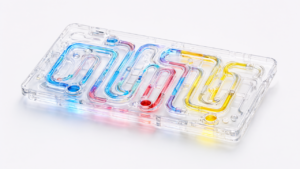
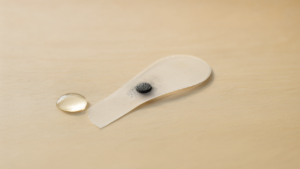
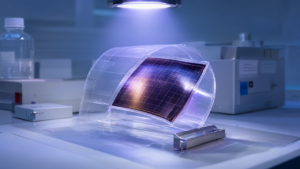
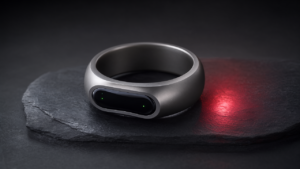
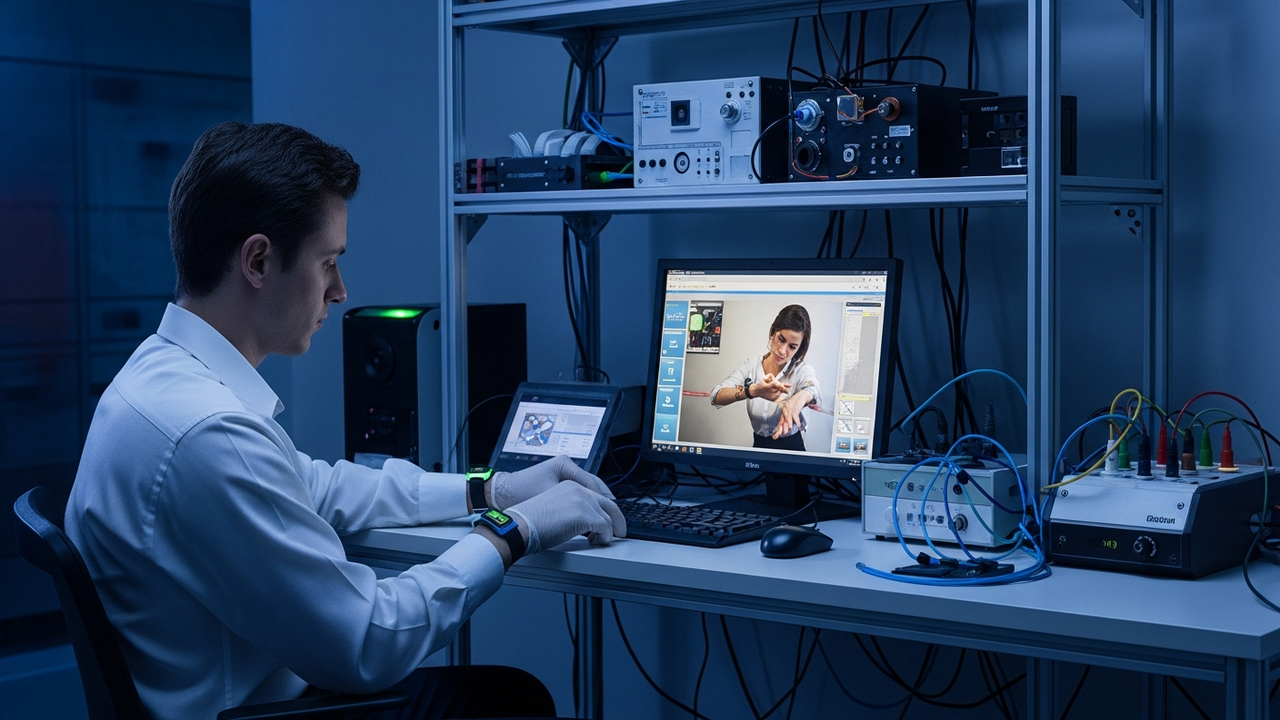
UCLA Magazine highlights the groundbreaking innovations in bioelectronics research by Professor Sam Emaminejad at the UCLA Samueli School of Engineering. His laboratory has successfully developed advanced wearable biosensors capable of continuously monitoring the body’s chemical status in real time, including stress biomarkers like cortisol and subcutaneous drug levels.
Technical/Clinical Details
The wearable biosensors being developed by Professor Emaminejad’s research team are based on electrochemical or optical sensing technologies that can detect minute biomolecules in bodily fluids such as sweat and interstitial fluid with high sensitivity. For example, cortisol, a primary indicator of stress, has concentration fluctuations closely linked to mental and physical stress levels. Traditional blood tests provide only a single snapshot. However, wearable sensors enable continuous tracking of dynamic changes in cortisol levels, allowing for a more accurate understanding of stress response patterns and the impact of chronic stress. Furthermore, technology for monitoring subcutaneous drug levels can non-invasively estimate drug concentrations and potentially aid in personalized drug dosage adjustments and verification of treatment adherence. This leads to safer and more effective treatment management, especially for patients with chronic diseases or those undergoing complex pharmacotherapy.
Background & Context
Modern healthcare is undergoing a paradigm shift from acute disease treatment to prevention and personalized health management. Traditional medicine primarily focused on a ‘reactive’ approach, diagnosing and treating after symptoms appeared. However, Professor Emaminejad’s vision aims to transition from episodic measurements to ‘continuous’ and ‘real-time’ health information, constantly understanding a patient’s physiological state and identifying potential health issues early. Wearable biosensors are the core technology realizing this vision, spearheading the digital health revolution.
Strategic Significance & Outlook
Professor Emaminejad’s research clearly demonstrates the potential for wearable technology to transcend mere lifestyle tracking tools and become the foundation for precision medicine and personalized health management. In the future, these biosensors will be integrated with AI and machine learning to evolve into advanced systems that predict disease risk from collected data and automatically generate personalized health advice. This could fundamentally improve the prevention and management of chronic diseases such such as heart disease, diabetes, and mental health conditions. His research is also expected to empower patients to gain a deeper understanding of their own health and collaborate with healthcare providers to optimize their well-being.
Source: https://www.ee.ucla.edu/ucla-magazine-highlights-professor-emaminejads-bioelectronics-innovations/
Get our weekly technology intelligence — free
Receive an infographic that lets you judge at a glance whether each field’s analysis report is worth reading.
Subscribe Free — Weekly Tech Intelligence
By subscribing, you’ll receive Troy-Technical’s weekly technology intelligence newsletter.
- Your email and selected fields are used only to deliver the newsletter.
- We never share your information with third parties.
- You can unsubscribe anytime via the link in each email.
See our Privacy Policy for details.
Takes about a minute · Unsubscribe anytime