Background
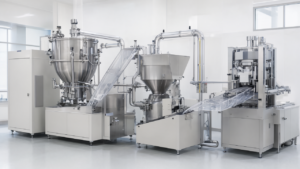
The biopharmaceutical market is experiencing rapid expansion, driven by the high efficacy of treatments for critical conditions like cancer, autoimmune diseases, and genetic disorders. Within this landscape, cell and gene therapies stand out as “living medicines,” offering the potential for curative treatments previously unattainable by conventional methods. However, the development and manufacturing of these sophisticated biotherapeutics require specialized expertise and substantial capital investment from their earliest stages. Consequently, many biotechnology companies, particularly small to medium-sized enterprises (SMEs), find it challenging to possess comprehensive in-house manufacturing capabilities, leading them to rely heavily on Contract Development and Manufacturing Organizations (CDMOs) for development and manufacturing processes. This reliance, coupled with surging demand and a scarcity of CDMOs possessing the requisite specialized knowledge and infrastructure, has created a significant bottleneck hindering the overall growth and innovation within the industry. This capacity shortage poses a critical barrier for breakthrough therapies, obstructing their progression from clinical development to commercialization.
Key Findings
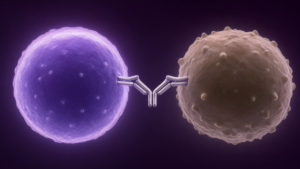
The biopharmaceutical industry continues to grapple with a chronic and intensifying challenge: a severe shortage in manufacturing capacity among Contract Development and Manufacturing Organizations (CDMOs). A recent survey reveals that approximately half of biopharmaceutical companies are struggling to find suitable CDMOs, especially for therapies that require mammalian cell production. Mammalian cell culture is a cornerstone technology for manufacturing essential biologics such as monoclonal antibodies, recombinant proteins, and numerous advanced biotherapeutics. The production of these complex biologics demands not only sophisticated expertise but also large-scale, specialized facilities and stringent quality control systems.
Despite the CDMO sector’s proactive efforts to expand manufacturing facilities and invest in new technologies, the explosive growth in demand from advanced therapeutic areas—including gene therapy, viral vector manufacturing, and cell therapy—is rapidly outpacing existing capacity. These cutting-edge fields necessitate unique manufacturing processes and regulatory requirements that significantly differ from conventional biopharmaceuticals, limiting the number of CDMOs capable of handling such specialized work. As a result, companies developing advanced biotherapeutics face considerable difficulties in securing manufacturing partners, leading to critical delays in development timelines and increased costs, ultimately impeding innovation and hindering market entry for vital new medicines.
Resolving this pervasive CDMO capacity shortage requires a concerted, industry-wide effort and strategic investment. CDMOs must continue to invest in new facility construction, adopt cutting-edge technologies like continuous manufacturing and AI-driven optimization, and focus on developing a highly skilled workforce. Concurrently, pharmaceutical companies should prioritize establishing close, long-term partnerships with CDMOs early in the development process. Furthermore, governments and regulatory bodies have a crucial role in exploring policies that support the securing of manufacturing sites and enhance supply chain resilience. Addressing this capacity deficit is expected to accelerate biopharmaceutical development significantly, ensuring that innovative treatments can be delivered to more patients more swiftly.
Source: https://www.contractpharma.com/the-cdmo-capacity-crunch-persists/
Get our weekly technology intelligence — free
Receive an infographic that lets you judge at a glance whether each field’s analysis report is worth reading.
Subscribe Free — Weekly Tech Intelligence
By subscribing, you’ll receive Troy-Technical’s weekly technology intelligence newsletter.
- Your email and selected fields are used only to deliver the newsletter.
- We never share your information with third parties.
- You can unsubscribe anytime via the link in each email.
See our Privacy Policy for details.
Takes about a minute · Unsubscribe anytime