Key Findings
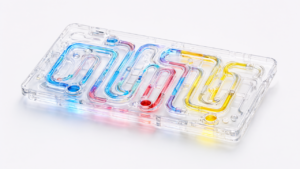
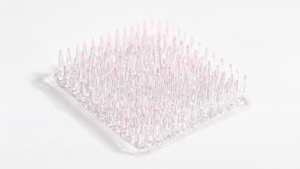
This review article meticulously analyzes the latest advancements in microfluidic systems for point-of-care pathogen detection (POCT) utilizing Nucleic Acid Amplification Tests (NAAT). A particular highlight is the integration of CRISPR (Clustered Regularly Interspaced Short Palindromic Repeats) technology with microfluidic platforms, which enables on-chip lysis and multiplexed detection, thereby simplifying sample pretreatment and automating the ‘sample-to-result’ workflow. This technology holds promise for applications in food safety and veterinary pathogen surveillance, offering a groundbreaking solution to the need for rapid and highly sensitive pathogen detection.
Technical/Clinical Details
Traditional NAAT-based POCT devices typically require multiple complex steps, including nucleic acid extraction, purification, amplification, and detection, often necessitating specialized laboratory equipment and skilled technicians. Microfluidic systems significantly simplify this process by integrating and automating these steps on a miniaturized chip. CRISPR-microfluidic platforms take this automation a step further. The on-chip lysis function allows for cell disruption and nucleic acid release immediately upon sample introduction to the chip. Subsequently, the CRISPR-Cas system (e.g., Cas12a or Cas13a) recognizes specific pathogen-derived DNA or RNA sequences, detecting them with high sensitivity after amplification. This platform also boasts multiplexing capabilities, allowing for the simultaneous detection of multiple pathogens from a single sample, dramatically improving diagnostic efficiency. Demonstrated applications include the rapid and accurate identification of specific pathogens like Salmonella in food products and viruses in livestock, with significantly improved detection limits.
Background & Context
Globally, the rapid detection of pathogens causing foodborne illnesses, animal diseases, and public health threats is a critical challenge. Early detection of contamination in the food supply chain is indispensable for preventing large-scale outbreaks, and in the veterinary field, it directly impacts livestock health management and reduction of economic losses. Conventional testing methods are often time-consuming and costly, hindering rapid decision-making in the field. The advent of CRISPR technology, with its high specificity and simplicity, is expected to bring about a major transformation in diagnostics. Its integration with microfluidic technology extends these benefits to POCT settings, enabling advanced molecular diagnostics even in environments lacking specialized laboratory infrastructure.
Strategic Significance & Outlook
CRISPR-microfluidic platforms are poised to play a pivotal role in shaping the future of POCT pathogen detection. Their integrated on-chip functions and automated workflow reduce testing time and costs, enabling healthcare professionals and food safety inspectors to respond more quickly and efficiently. In the future, this technology is expected to be applied to human disease diagnostics, environmental monitoring, and biosecurity fields. Further development will lead to the widespread adoption of portable, user-friendly devices, contributing to the control and prevention of infectious diseases in resource-limited regions. This innovation will make molecular diagnostics more accessible, contributing to the creation of a healthier and safer society.
Get our weekly technology intelligence — free
Receive an infographic that lets you judge at a glance whether each field’s analysis report is worth reading.
Subscribe Free — Weekly Tech Intelligence
By subscribing, you’ll receive Troy-Technical’s weekly technology intelligence newsletter.
- Your email and selected fields are used only to deliver the newsletter.
- We never share your information with third parties.
- You can unsubscribe anytime via the link in each email.
See our Privacy Policy for details.
Takes about a minute · Unsubscribe anytime