Key Findings
A research group at Nanyang Technological University (NTU) in Singapore has developed a groundbreaking flexible biosensor that generates electricity from human sweat, capable of powering wearable devices such as health monitors and fitness trackers. This self-powered technology dramatically improves the convenience and sustainability of wearables by enabling continuous operation without the need for external charging. The technology is already progressing towards a 2026 product launch through a commercial partnership with a fitness tracker manufacturer.
Technical/Clinical Details
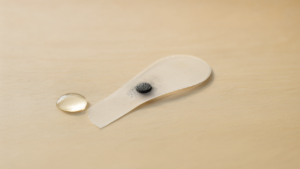
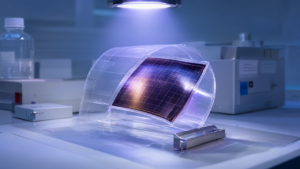
This flexible biosensor operates on the principle of a biofuel cell, converting metabolites like lactate and ammonium present in sweat into electrical energy. The sensor’s design is thin and flexible enough to be worn directly on the skin, ensuring comfort during activity. Since power generation fluctuates with sweat volume and component concentrations, the sensor also potentially provides indirect information about the user’s activity level and physiological state. This allows fitness trackers to continuously record data such as activity levels, heart rate, and calorie expenditure over extended periods without battery concerns. Additionally, an accompanying mention of an absorbent polymer-based sweat patch is highlighted, capable of real-time measurement of sweat hydration and electrolyte levels, useful for assessing dehydration and monitoring electrolyte balance.
Background & Context
While the wearable device market is experiencing rapid growth, battery life and charging frequency have consistently been primary sources of user dissatisfaction. For devices dedicated to health monitoring and sports performance tracking, continuous data collection is paramount, making power constraints a significant challenge. Self-powered biosensors utilizing sweat as an energy source offer an innovative solution to this problem. This technology represents a convergence of advancements in bioelectronics, materials science, and energy harvesting, opening new possibilities for wearable device design and functionality. This breakthrough from NTU, a top research institution in Asia, underscores Singapore’s position as a hub for deep tech and innovation.
Strategic Significance & Outlook
The commercialization of this sweat-powered biosensor will have a substantial impact on the wearable device industry. Fitness trackers and health monitors that eliminate the need for external charging will dramatically improve the user experience and potentially drive broader consumer adoption. In the future, this technology could also be applied to medical wearable devices, providing more reliable power solutions for continuous monitoring of chronic diseases and remote healthcare. Furthermore, the rich physiological data collected could be integrated with AI to accelerate the development of more personalized health guidance and disease prevention programs. NTU’s research marks a significant step towards a future of sustainable and autonomous wearable technology.
Source: #
Get our weekly technology intelligence — free
Receive an infographic that lets you judge at a glance whether each field’s analysis report is worth reading.
Subscribe Free — Weekly Tech Intelligence
By subscribing, you’ll receive Troy-Technical’s weekly technology intelligence newsletter.
- Your email and selected fields are used only to deliver the newsletter.
- We never share your information with third parties.
- You can unsubscribe anytime via the link in each email.
See our Privacy Policy for details.
Takes about a minute · Unsubscribe anytime