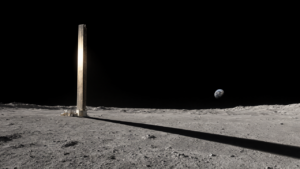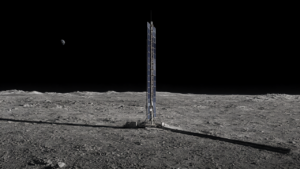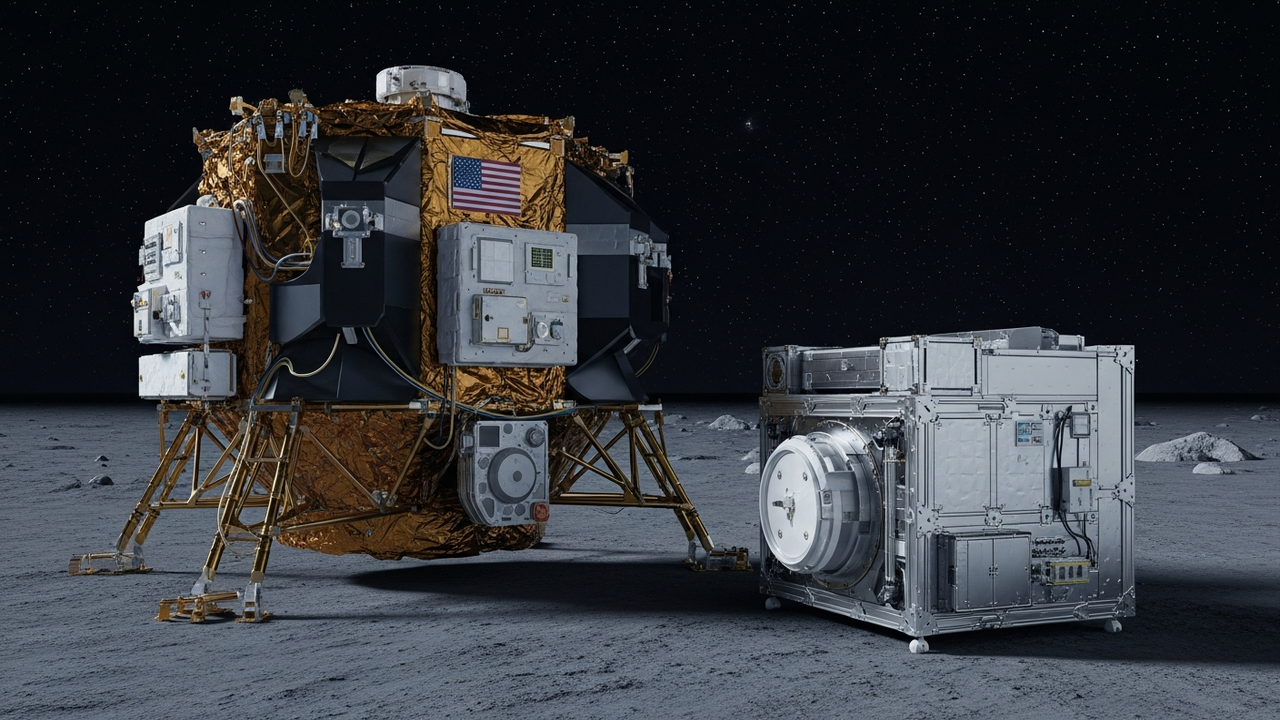
NASA has announced the completion of hardware development and testing for the Lunar Environment Monitoring Station (LEMS), which will be the first science instrument deployed by astronauts on the lunar surface as part of the Artemis program. This groundbreaking payload is poised to play an indispensable role in building the foundation for sustained scientific exploration during future crewed lunar missions.
Purpose and Function of LEMS
LEMS is slated for deployment near the Moon’s South Pole, aiming to collect vital data on the lunar environment. Specifically, it will perform the following scientific measurements:
- **Monitoring Lunar Seismic Activity**: Gathers seismic data crucial for understanding the Moon’s internal structure and thermal evolution, representing a significant data collection effort since the seismometers installed during the Apollo missions.
- **Tracking Lunar Surface Environmental Fluctuations**: Monitors real-time data on physical environmental conditions on the lunar surface, including surface temperature, radiation levels, and the frequency of micrometeorite impacts.
- **Investigating Solar Wind Interactions**: Studies how solar wind particles interact with the lunar surface and regolith, providing insights into the Moon’s magnetic field and surface material properties.
This data will not only deepen our scientific understanding of the Moon but also prove indispensable for environmental risk assessment during the construction of future long-term lunar bases and human activities. The Moon’s South Pole, in particular, is believed to contain water ice, and LEMS’s environmental data collection will contribute to evaluating the availability of this critical resource.
Strategic Significance of LEMS for the Artemis Program
LEMS directly supports one of the primary objectives of the Artemis program: ‘sustained lunar scientific exploration.’ Unlike the short-duration Apollo missions, Artemis aims for long-term human presence and scientific research, making autonomous monitoring stations like LEMS foundational. By deploying LEMS on the lunar surface, astronauts can position scientific instruments beyond their immediate operational range, enabling the collection of extensive data. This is a judicious approach to maximizing the efficiency and scientific return of lunar activities.
Future Outlook
The completion of LEMS marks a significant milestone for lunar activities beyond the Artemis III mission. Data gleaned from this instrument will deepen our understanding of the Moon’s formation and evolution, the history of the solar system, and humanity’s role in future deep-space exploration. Furthermore, the experience of astronauts installing scientific instruments themselves will contribute to preparations for exploration missions to more distant celestial bodies, such as Mars. LEMS is a crucial element in not only marking humanity’s return to the Moon but also in building the scientific foundation for humans to ‘stay’ there.
Get our weekly technology intelligence — free
Receive an infographic that lets you judge at a glance whether each field’s analysis report is worth reading.
Subscribe Free — Weekly Tech Intelligence
By subscribing, you’ll receive Troy-Technical’s weekly technology intelligence newsletter.
- Your email and selected fields are used only to deliver the newsletter.
- We never share your information with third parties.
- You can unsubscribe anytime via the link in each email.
See our Privacy Policy for details.
Takes about a minute · Unsubscribe anytime