Background
mRNA therapeutics represent one of the most promising drug modalities in recent years due to their diverse application potential. However, mRNA molecules are inherently unstable and cannot reach target cells without an appropriate delivery system. While lipid nanoparticles (LNPs) have emerged as the most successful platform for mRNA therapeutic delivery, most LNPs tend to accumulate primarily in the liver. This hepatic tropism has made efficient delivery to extrahepatic organs, particularly the lungs, a significant challenge.
Globally, lung diseases account for high morbidity and mortality, presenting numerous unmet medical needs in conditions such as asthma, chronic obstructive pulmonary disease (COPD), lung cancer, cystic fibrosis, and idiopathic pulmonary fibrosis. Overcoming the hurdle of targeted lung delivery is crucial for unlocking the full therapeutic potential of mRNA in these areas.
Key Findings
The Peking University research team has developed a groundbreaking SynTar lipid nanoparticle (SynTar LNP) platform that enables efficient and target-specific delivery of mRNA to the lungs. This innovative technology directly addresses the aforementioned bottleneck in mRNA therapeutic development, holding the potential to significantly expand the application scope of mRNA therapeutics for various pulmonary diseases, including cystic fibrosis and lung cancer.
Technical & Clinical Details
The SynTar LNP platform integrates two main strategies to achieve its enhanced delivery profile. First, it features the design of an optimized lipid composition specifically tailored for mRNA delivery. Second, it incorporates antibody-mediated modifications to precisely target specific lung cells. Building upon the SM-102 LNP system, which gained prominence in successful COVID-19 vaccines, the research team constructed a novel four-component lung-targeted LNP system, designated 4C-DOTAP LNP. This system comprises DOTAP (dioleoyloxypropyltrimethylammonium chloride) and DSPE-PEG-Mal (polyethylene glycol-modified phospholipid).
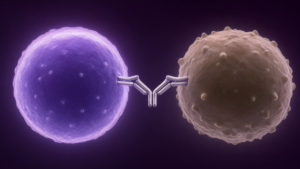
In both in vitro and in vivo experiments, the 4C-DOTAP LNP demonstrated significantly superior lung delivery capabilities compared to conventional LNP systems. The key mechanism lies in its antibody-mediated targeting modification, which allows the LNP to selectively bind to specific cell types within lung tissue. This targeted approach facilitates efficient intracellular mRNA delivery, which is expected to not only enhance therapeutic efficacy at the site of disease but also mitigate systemic side effects often associated with less specific delivery methods. This capability for intracellular gene delivery, previously difficult to achieve with conventional inhalation therapies, marks a substantial advancement.
Future Outlook
The development of the SynTar LNP platform marks a groundbreaking step in expanding the applicability of mRNA therapeutics to pulmonary diseases. It is anticipated that mRNA therapeutic candidates utilizing this platform will progress through preclinical and clinical trials, bringing innovation to the treatment of patients with lung diseases. Various applications are envisioned, such as specific gene editing in lung cancer cells or restoring CFTR gene expression in cystic fibrosis. Furthermore, this technology is expected to inspire the development of targeted delivery LNP systems for other organs, thereby contributing to the overall advancement of mRNA therapeutics. In the future, personalized mRNA therapeutics hold the potential to significantly improve the quality of life for patients across a wider range of disease areas.
Get our weekly technology intelligence — free
Receive an infographic that lets you judge at a glance whether each field’s analysis report is worth reading.
Subscribe Free — Weekly Tech Intelligence
By subscribing, you’ll receive Troy-Technical’s weekly technology intelligence newsletter.
- Your email and selected fields are used only to deliver the newsletter.
- We never share your information with third parties.
- You can unsubscribe anytime via the link in each email.
See our Privacy Policy for details.
Takes about a minute · Unsubscribe anytime