Key Achievements
ProQR Therapeutics has announced a pivotal achievement: the first clinical validation of its proprietary Axiomer RNA editing platform. Phase 1 data for its lead candidate, AX-0810, demonstrated modulation of NTCP (sodium-dependent taurocholate cotransporting polypeptide), signaling accelerated clinical development for cholestatic liver disease. This milestone is particularly significant as it marks the first clinical proof-of-concept for RNA editing as a therapeutic modality.
Technical and Clinical Details
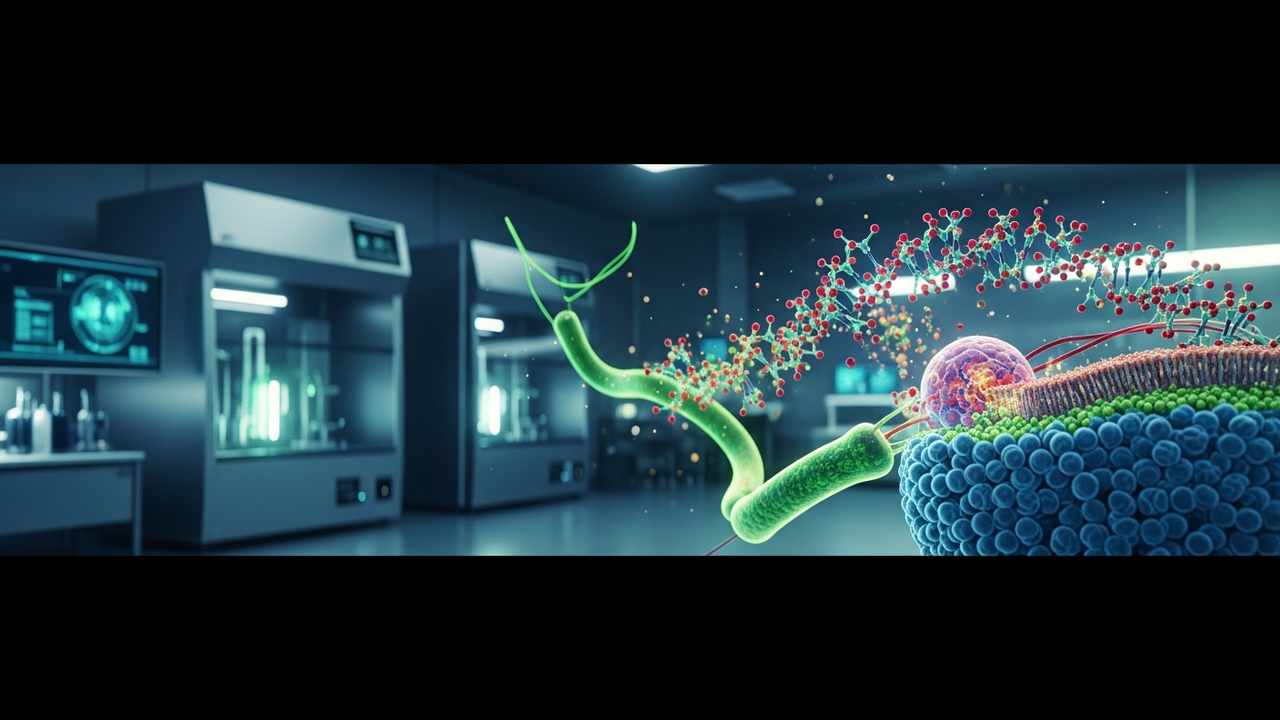
The Axiomer platform by ProQR leverages ADAR (adenosine deaminase acting on RNA)-mediated RNA editing to precisely modify genetic sequences at the RNA level. This enzymatic process converts specific adenosines within double-stranded RNA into inosine, which cells interpret as guanosine. This re-coding effectively alters mRNA sequences, leading to modified protein amino acid compositions or regulated gene expression. AX-0810, the lead candidate, employs this technology to target NTCP, a critical transporter for bile acid uptake in the liver. Its successful target engagement in Phase 1 trials underscores the platform’s precision and therapeutic potential. Modulating NTCP is crucial for cholestatic liver diseases like primary biliary cholangitis and progressive sclerosing cholangitis, as it can reduce systemic bile acid accumulation and ameliorate disease progression.
Building on AX-0810’s momentum, ProQR detailed a robust pipeline. Phase 1 data for AX-0811 are projected by late 2026. Patient data from an investigator-initiated trial (IIT) for biliary atresia and for AX-0422 (IDUA) are expected in early 2027. Additionally, AX-2911 (PNPLA3) is slated for clinical entry in 2027, targeting metabolic disorders such as non-alcoholic steatohepatitis (NASH). Financially, the company is well-positioned, having secured $59.2 million in financing, resulting in €117.1 million in cash and equivalents by Q2 2026, projected to sustain operations until mid-2028. This financial strength underpins the aggressive advancement of its clinical programs.
Industry Context and Technological Significance
RNA editing technology represents a significant departure from conventional gene therapies or antisense oligonucleotides (ASOs), promising transformative treatments for genetic disorders and cancers. Unlike DNA-altering methods, RNA-level editing avoids permanent genomic modifications, suggesting a potentially enhanced safety profile. Cholestatic liver diseases, characterized by impaired liver function and severe pruritus, remain challenging to treat, with many patients experiencing inadequate responses to current therapies. This unmet need underscores the importance of novel treatment avenues. NTCP, a crucial regulator of bile acid metabolism, emerges as a highly promising therapeutic target. ProQR’s clinical validation of the Axiomer platform is a pivotal moment, signaling RNA editing’s transition from theoretical promise to a tangible therapeutic modality and is expected to catalyze broader research and development across the field.
Future Outlook
The successful clinical validation of ProQR’s Axiomer platform marks a watershed moment for the future of RNA editing technology. Anticipated advancements include further clinical development for AX-0810 and the progression of pipeline candidates AX-0811, AX-0422, and AX-2911. These therapeutics hold the promise of delivering novel options for patients afflicted with a spectrum of genetic and hepatic metabolic disorders, significantly enhancing their quality of life. Beyond its current applications, RNA editing technology boasts expansive potential, including therapies for cancer and viral infections, making its ongoing research and development a critical area to watch.
Source: https://quartr.com/events/proqr-therapeutics-n-v-prqr-q2-2026_F3syRDyt
Get our weekly technology intelligence — free
Receive an infographic that lets you judge at a glance whether each field’s analysis report is worth reading.
Subscribe Free — Weekly Tech Intelligence
By subscribing, you’ll receive Troy-Technical’s weekly technology intelligence newsletter.
- Your email and selected fields are used only to deliver the newsletter.
- We never share your information with third parties.
- You can unsubscribe anytime via the link in each email.
See our Privacy Policy for details.
Takes about a minute · Unsubscribe anytime