Key Findings
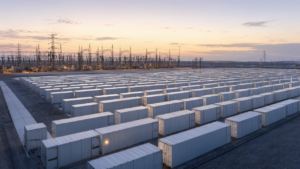
Puget Sound Energy (PSE), a U.S. utility, has announced the conclusion of operations for its Glacier Battery Energy Storage System (BESS), installed in 2016, and is now proceeding with its phased removal and battery module recycling. This 2-megawatt (MW), 4.4-megawatt-hour (MWh) lithium-ion system operated as a demonstration project for approximately 10 years, providing crucial power support to a remote community and yielding invaluable insights into battery technology and its utility-scale deployment.
Technical & Clinical Details
The Glacier BESS was one of the early utility-scale lithium-ion storage systems commissioned in 2016, and it provided the following functionalities:
- Short-Term Backup Power: It ensured short-duration power supply to a remote community during grid outages or maintenance, thereby enhancing power reliability and strengthening community resilience.
- System Load Reduction: By discharging power from the battery during peak demand periods, it helped alleviate stress on the main grid and optimized the operational costs of power generation plants.
- Support for Renewable Energy Integration: The system played a vital role in smoothing the output of variable renewable energy sources like solar and wind power, helping to bridge the mismatch between generation and demand. This facilitated greater renewable energy penetration and improved grid stability.
- Technological Learning: Through this project, PSE gathered practical data on the operation, performance, challenges, and lifecycle management of large-scale battery technology, acquiring critical learning experiences that will inform the planning and design of future energy storage projects.
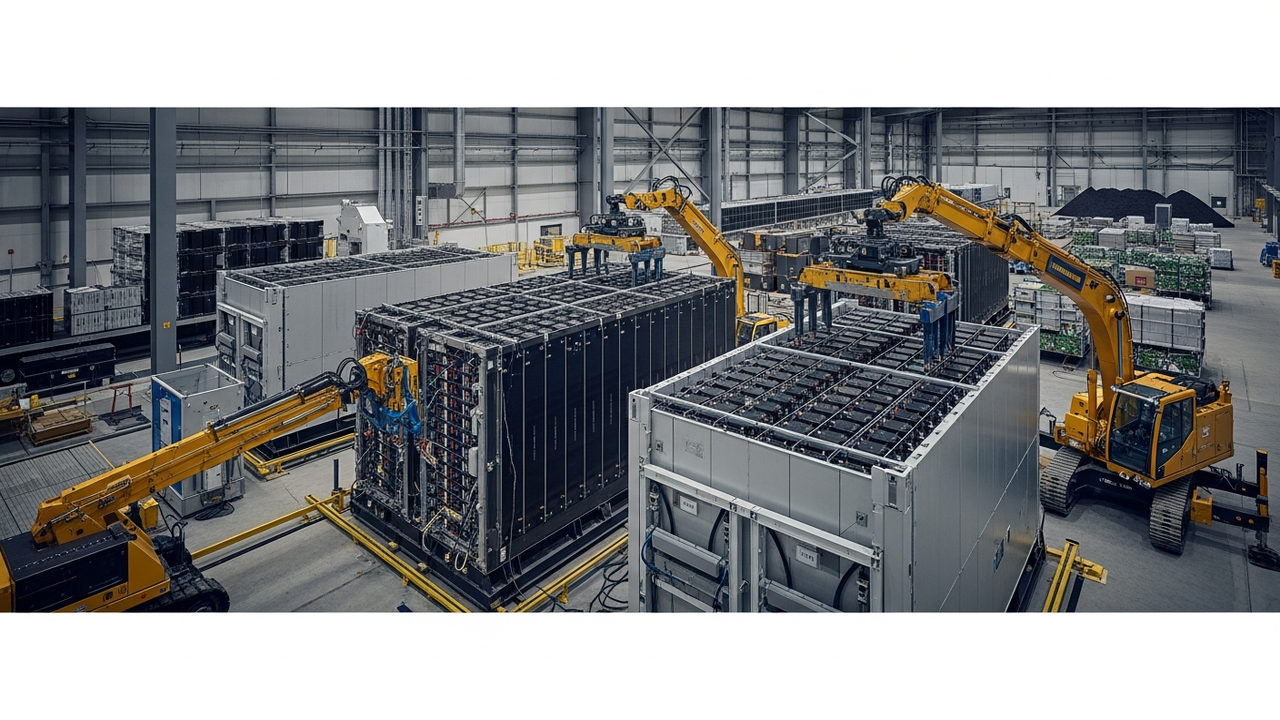
Upon its decommissioning, PSE plans for the safe and responsible recycling of battery modules to minimize environmental impact, reflecting current best practices in battery lifecycle management.
Background & Context
In the mid-2010s, large-scale battery storage technology was still relatively nascent, with a strong demand for demonstrations regarding its economic viability, reliability, and grid integration capabilities. Early demonstration projects like the Glacier BESS played a crucial role in showcasing how lithium-ion batteries could function at a utility scale. These projects laid the foundation for understanding the rapid evolution of battery technology and its impact on renewable energy and grid modernization. Today, BESS has become an integral component of the U.S. power grid, with its capacity expanding rapidly.
Strategic Significance & Outlook
The decommissioning and recycling of the Glacier BESS signify the lifecycle of battery technology and the point at which initial demonstration projects conclude their operational roles. The insights gained from this experience will be instrumental in designing and deploying future battery storage projects, contributing to the construction of more efficient and sustainable systems. Particularly, the importance of ‘second-life’ applications for retired batteries and advanced recycling technologies is growing. PSE’s initiative underscores that a comprehensive strategy encompassing operation, maintenance, and ultimate disposal/recycling is crucial for utilities as battery technology continues to evolve. This provides valuable lessons for designing next-generation energy storage solutions with longer lifespans, higher efficiencies, and superior environmental profiles.
Source: https://www.pse.com/en/pages/grid-modernization/glacier-demo-project
Get our weekly technology intelligence — free
Receive an infographic that lets you judge at a glance whether each field’s analysis report is worth reading.
Subscribe Free — Weekly Tech Intelligence
By subscribing, you’ll receive Troy-Technical’s weekly technology intelligence newsletter.
- Your email and selected fields are used only to deliver the newsletter.
- We never share your information with third parties.
- You can unsubscribe anytime via the link in each email.
See our Privacy Policy for details.
Takes about a minute · Unsubscribe anytime