Key Findings
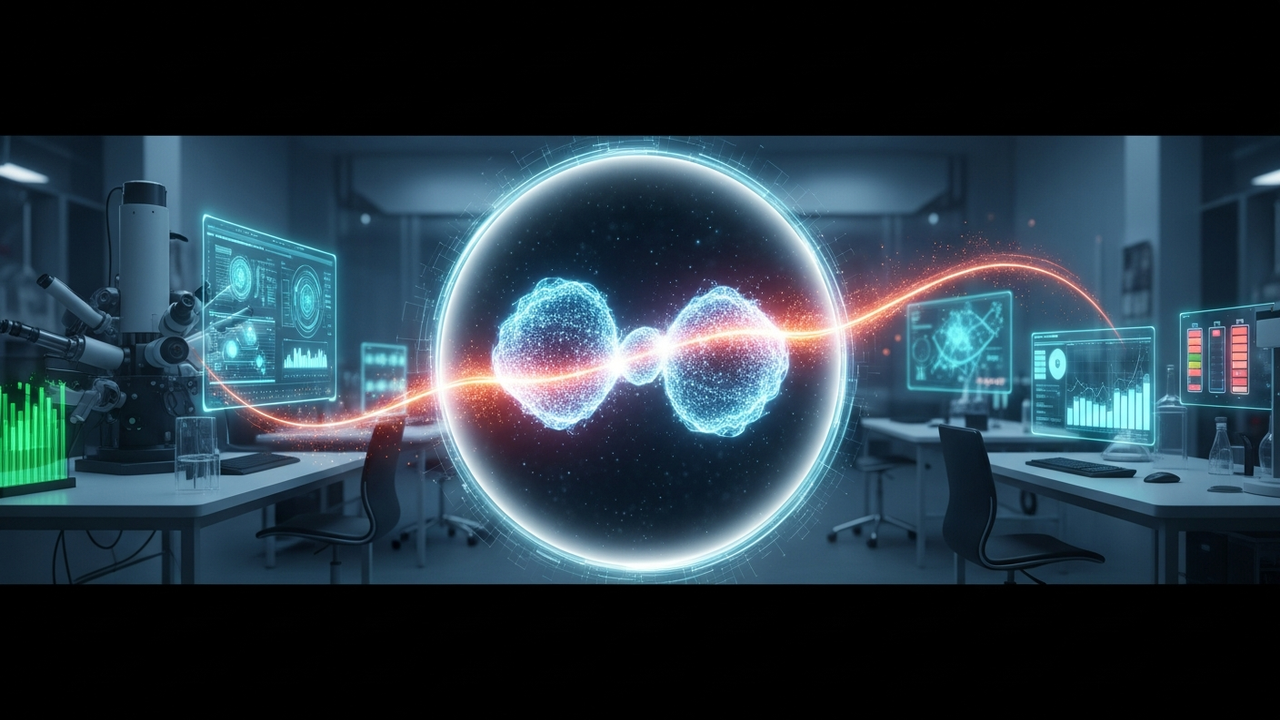
Doctoral research from RMIT University has unveiled significant advancements in “next-generation phase change materials (PCMs)” aimed at substantially enhancing energy efficiency and revolutionizing future battery technologies. The study thoroughly explores critical areas such as thermal energy storage, battery thermal management systems, nano-engineered PCMs, and their practical applications in solar water heaters and battery cooling systems.
Technical / Clinical Details
This doctoral research emphasized the development of nano-engineered PCMs to overcome inherent challenges of conventional PCMs, such as low thermal conductivity, leakage, and long-term stability. Specifically, techniques involving the incorporation of nanoparticles and nanofibers into PCMs were explored to improve heat transfer characteristics, control volume changes during phase transition, and enhance material durability. This led to the design of PCMs that contribute to stabilizing hot water supply in solar water heaters and preventing thermal runaway while extending the lifespan of electric vehicle (EV) batteries. Furthermore, the research integrated machine learning methodologies to model the complex relationships between PCM composition, structure, and performance characteristics, thereby efficiently identifying optimal PCM designs and application conditions. Machine learning played a crucial role in significantly reducing trial-and-error experiments and accelerating the overall development process.
Background & Context
Improving energy efficiency and advancing clean energy technologies are central to addressing today’s global challenges. Thermal energy storage is an indispensable technology for buffering the variability of renewable energy sources (solar, wind) and increasing the flexibility of energy utilization. PCMs, with their high latent heat capacity and efficient thermal storage over relatively narrow temperature ranges, hold great promise in this field. Additionally, with the proliferation of EVs, safe and efficient thermal management of batteries is a critical factor determining their performance and lifespan. The convergence of nano-engineering and machine learning offers innovative solutions to these challenges, opening new frontiers in materials science.
Strategic Significance & Outlook
The findings from this RMIT University research represent a breakthrough in the design and application of next-generation PCMs. In the future, this technology is expected to be commercialized across a wide range of fields, including solar energy systems, high-efficiency heat pumps, thermal management of electronic devices, and electric vehicle battery systems. The machine learning-driven approach to design optimization will dramatically improve the efficiency of new material development, accelerating the market introduction of more sustainable and high-performance energy storage solutions. This is anticipated to significantly contribute to reducing energy consumption and realizing a sustainable society.
Get our weekly technology intelligence — free
Receive an infographic that lets you judge at a glance whether each field’s analysis report is worth reading.
Subscribe Free — Weekly Tech Intelligence
By subscribing, you’ll receive Troy-Technical’s weekly technology intelligence newsletter.
- Your email and selected fields are used only to deliver the newsletter.
- We never share your information with third parties.
- You can unsubscribe anytime via the link in each email.
See our Privacy Policy for details.
Takes about a minute · Unsubscribe anytime