Background
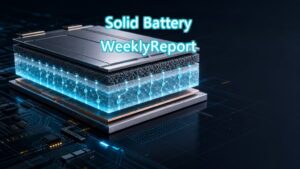
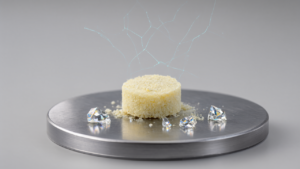
Solid-state batteries hold significant promise over conventional lithium-ion batteries due to their enhanced safety (reduced fire risk), higher energy density, and longer lifespan. However, mass production, cost-effectiveness, and ensuring practical reliability have historically been formidable challenges. Both Japan and South Korea are strategically pushing for the commercialization of solid-state batteries, particularly for automotive applications, by leveraging their strong technological capabilities and deep quality control expertise within the automotive industry. The recent decline in lithium sulfide prices indicates market maturation and supply chain robustness, which helps to mitigate the perception of prohibitive costs for solid-state batteries and could facilitate their introduction into a broader range of EV segments.
Key Findings
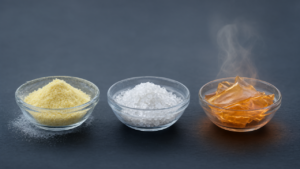
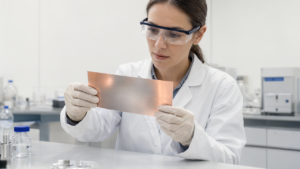
As of 2026, the all-solid-state battery (ASSB) industry has reached a critical inflection point, moving beyond conventional laboratory research into a rigorous phase of engineering validation. In this pivotal period, major battery and automotive manufacturers from Japan and South Korea are at the forefront globally in the automotive standard verification process, positioning them to dominate the luxury electric vehicle (EV) market. Furthermore, the price of lithium sulfide, a critical raw material influencing ASSB manufacturing costs, has plummeted by over 50% in the last six months, contributing significantly to cost reduction for ASSBs.
Technical Details
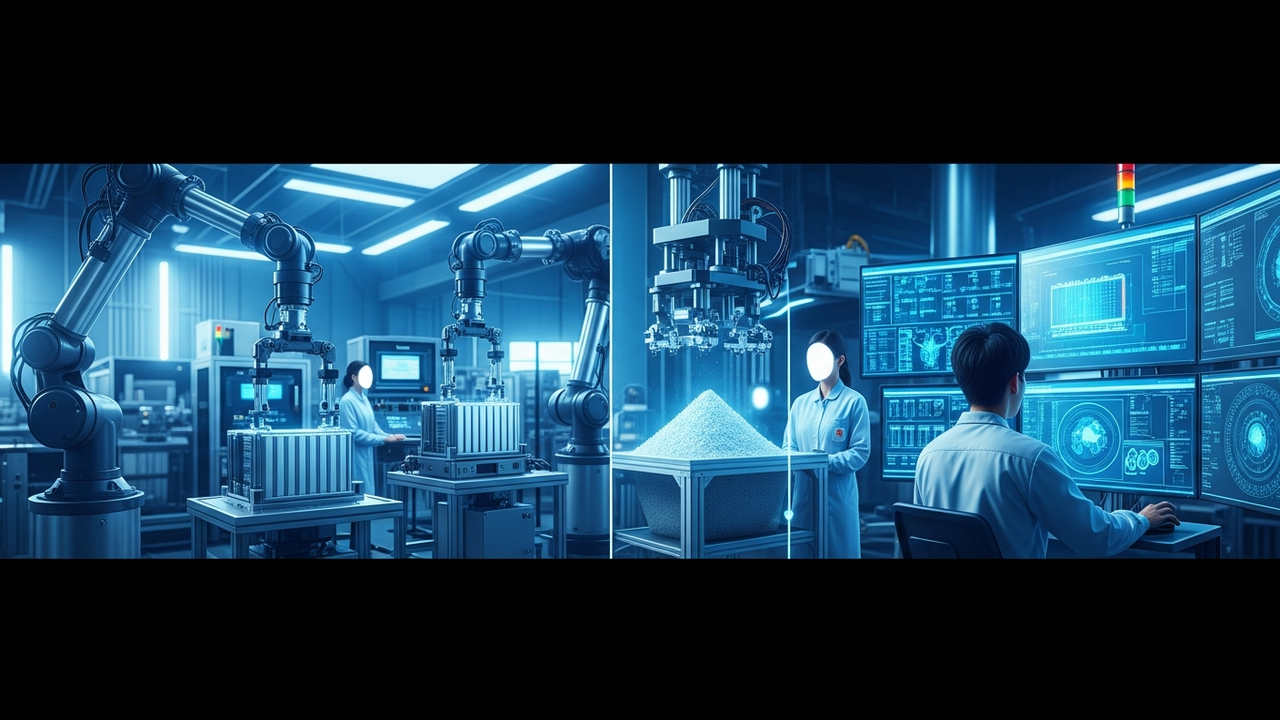
The shift to the engineering validation stage represents a pivotal milestone towards the practical commercialization of solid-state batteries. This phase involves rigorous material selection, manufacturing process optimization, and comprehensive evaluation of safety, durability, and performance, all geared towards mass production and seamless integration into actual vehicles. Companies in Japan and South Korea, capitalizing on their deep expertise in battery technology development, are rigorously addressing the stringent performance criteria for automotive applications, such as broad temperature operating ranges, high power output and fast charging capabilities, and extended cycle life. The substantial drop in lithium sulfide prices directly reduces the material costs for sulfide-based solid-state batteries, mitigating a significant cost barrier for mass production of this technology. This improvement boosts the economic viability of sulfide-based ASSBs, potentially accelerating their future adoption.
Strategic Significance & Outlook
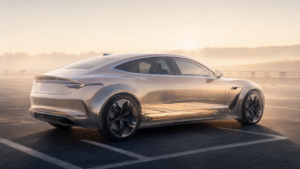
The solid-state battery industry’s entry into the engineering validation phase, with Japanese and Korean players leading automotive standard verification, is poised to accelerate the adoption of next-generation battery technology in the EV market. Especially in the luxury EV segment, high-performance ASSBs could become a critical differentiator. The falling price of lithium sulfide is a crucial factor in enhancing the cost-competitiveness of sulfide-based solid-state batteries, paving the way towards mass production. This progress is expected to propel the commercialization of solid-state batteries and promises to revolutionize the global energy storage and transportation sectors. Future developments in technology and mass production efforts by Japanese and Korean manufacturers will be instrumental in shaping the overall industry timeline.
Source: https://finance.biggo.jp/news/49df35d9-1fa3-4526-ad07-9e56f59fa5b3
Get our weekly technology intelligence — free
Receive an infographic that lets you judge at a glance whether each field’s analysis report is worth reading.
Subscribe Free — Weekly Tech Intelligence
By subscribing, you’ll receive Troy-Technical’s weekly technology intelligence newsletter.
- Your email and selected fields are used only to deliver the newsletter.
- We never share your information with third parties.
- You can unsubscribe anytime via the link in each email.
See our Privacy Policy for details.
Takes about a minute · Unsubscribe anytime