Key Findings
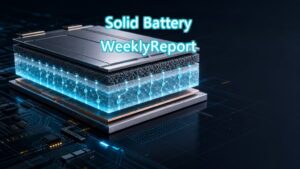
In the third quarter of 2026, Ion Energy unveiled an automotive-grade polymer all-solid-state battery demonstrating an impressive energy density of 520 Wh/kg, capability for ultra-fast charging in 6 minutes, operational stability across an extreme temperature range from -45°C to 120°C, and a cycle life exceeding 3,500 cycles for a 51 Ah cell. This breakthrough represents a significant leap in solid-state battery performance, particularly for electric vehicle applications.
Technical / Clinical Details
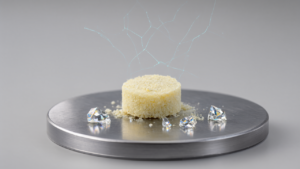
Ion Energy’s new polymer-based solid-state battery sets new benchmarks beyond current lithium-ion technology. The 520 Wh/kg energy density promises substantially extended EV range, while the 6-minute ultra-fast charging drastically improves user convenience. The exceptionally wide operating temperature range from -45°C to 120°C ensures robust reliability in diverse climates, and a cycle life of over 3,500 cycles reduces battery replacement frequency and overall cost of ownership. In parallel, China’s Xinyuren has successfully prototyped a second-generation halide solid electrolyte, expanding the range of viable solid electrolyte materials. Japan’s Sumitomo Chemical is also planning mass production of halide electrolytes by fiscal year 2028, signaling the concrete commercialization of halide-based solid electrolytes alongside sulfide variants.
Background & Context
The solid-state battery industry is at a pivotal juncture, transitioning from “pilot validation” to “pre-mass production” driven by advancements in material science and manufacturing techniques. Sulfide electrolytes are already entering a phase of “increased volume and reduced cost,” indicating growing production scale and improved cost efficiency. Ion Energy’s achievement highlights the immense potential of polymer solid electrolytes, strongly supporting their practical application in the EV sector. The progress in halide electrolytes, which offer the potential for even higher ionic conductivity and stability, diversifies the technological options available to meet various market demands.
Strategic Significance & Outlook
These technological advancements are expected to accelerate the widespread adoption of solid-state batteries in the automotive industry. The high energy density and rapid charging capabilities achieved by Ion Energy’s battery address major barriers to EV adoption, promoting greater consumer acceptance. The competitive development of multiple solid electrolyte types will ultimately lead to the realization of high-performance, cost-effective solid-state batteries. With halide electrolyte mass production anticipated from 2028, further market acceleration and innovation are expected.
Get our weekly technology intelligence — free
Receive an infographic that lets you judge at a glance whether each field’s analysis report is worth reading.
Subscribe Free — Weekly Tech Intelligence
By subscribing, you’ll receive Troy-Technical’s weekly technology intelligence newsletter.
- Your email and selected fields are used only to deliver the newsletter.
- We never share your information with third parties.
- You can unsubscribe anytime via the link in each email.
See our Privacy Policy for details.
Takes about a minute · Unsubscribe anytime