
Key Findings
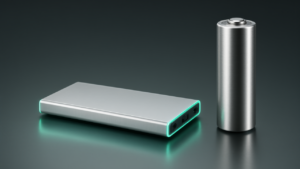
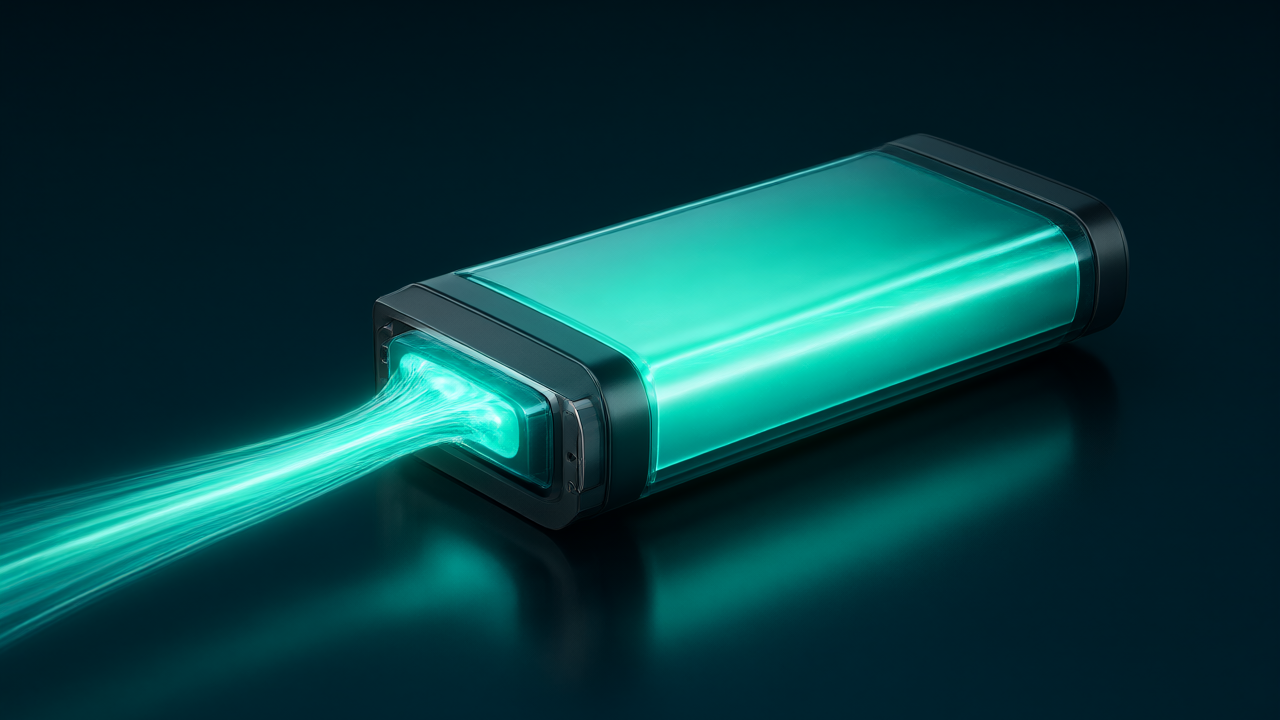
ProLogium’s Gen4 technology utilizes a superfluidised inorganic electrolyte called Sfie to achieve rapid charging speeds. Internal tests indicate that Gen4 cells can charge from 5% to 80% in 6.4 minutes, maintaining this performance over 1,000 rapid charging cycles. Additionally, the cells reportedly retain 90% of their capacity at −20 °C. A further iteration, Gen4.2, which incorporates a porous ceramic separator impregnated with Sfie, is predicted to reduce the 5% to 80% charging time to under 5 minutes.
Technical Details
The technology relies on a Dynamic Coordination Network (DCN) to facilitate lithium ion transport. Within this network, ligand chemical groups form local structures that transform over time, allowing lithium ions to move rapidly while restricting anion mobility to minimize concentration differences. The Sfie electrolyte also exhibits non-Newtonian behavior, meaning it flows to adapt to electrode surfaces under stress and reverts to a more solid structure when stress ceases. This flexibility reduces the need for high mechanical pressure to maintain interface contact during volume changes in charge/discharge cycles.
Safety is addressed via the Active Safety Mechanism (ASM), which promotes the passivation of reactive materials at approximately 125 °C to prevent thermal runaway. Regarding conductivity, the Sfie electrolyte achieved 57 millisiemens per centimetre (mS/cm) at room temperature in tests supervised by SGS.
Background & Context
The Gen4 approach seeks to combine the advantages of liquid and solid electrolytes without creating a traditional semi-solid battery. While laboratory results are promising, the company acknowledges that performance in a complete vehicle depends on cell architecture, electrode materials, and thermal management systems.
Significance & Outlook
ProLogium is collaborating with Mercedes-Benz, granting the manufacturer priority access to the cells for testing in future models. The company has also partnered with FEV for battery module integration and OPmobility for the development of prototype battery packs across various vehicle categories, as showcased at the 2026 Paris Motor Show.
Get our weekly technology intelligence — free
Receive an infographic that lets you judge at a glance whether each field’s analysis report is worth reading.
Subscribe Free — Weekly Tech Intelligence
By subscribing, you’ll receive Troy-Technical’s weekly technology intelligence newsletter.
- Your email and selected fields are used only to deliver the newsletter.
- We never share your information with third parties.
- You can unsubscribe anytime via the link in each email.
See our Privacy Policy for details.
Takes about a minute · Unsubscribe anytime