


Key Findings
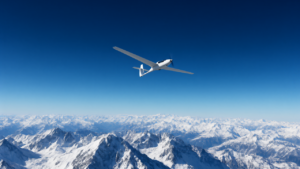
Helios Horizon has completed a flight test campaign proving that solid-state batteries can power sustained, high-altitude flight. In a primary test flight, pilot Miguel Iturmendi reached an altitude of 17,200 feet using only 36% of the aircraft’s battery capacity. The mission reportedly broke three world records for electric planes under 500 kilograms: total altitude, horizontal flight altitude, and time to climb past 3,000 meters, which was achieved in 27 minutes.
Technical Details
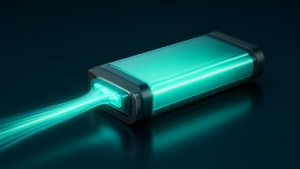
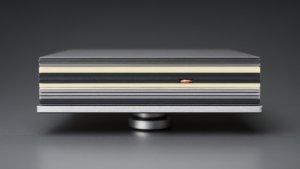
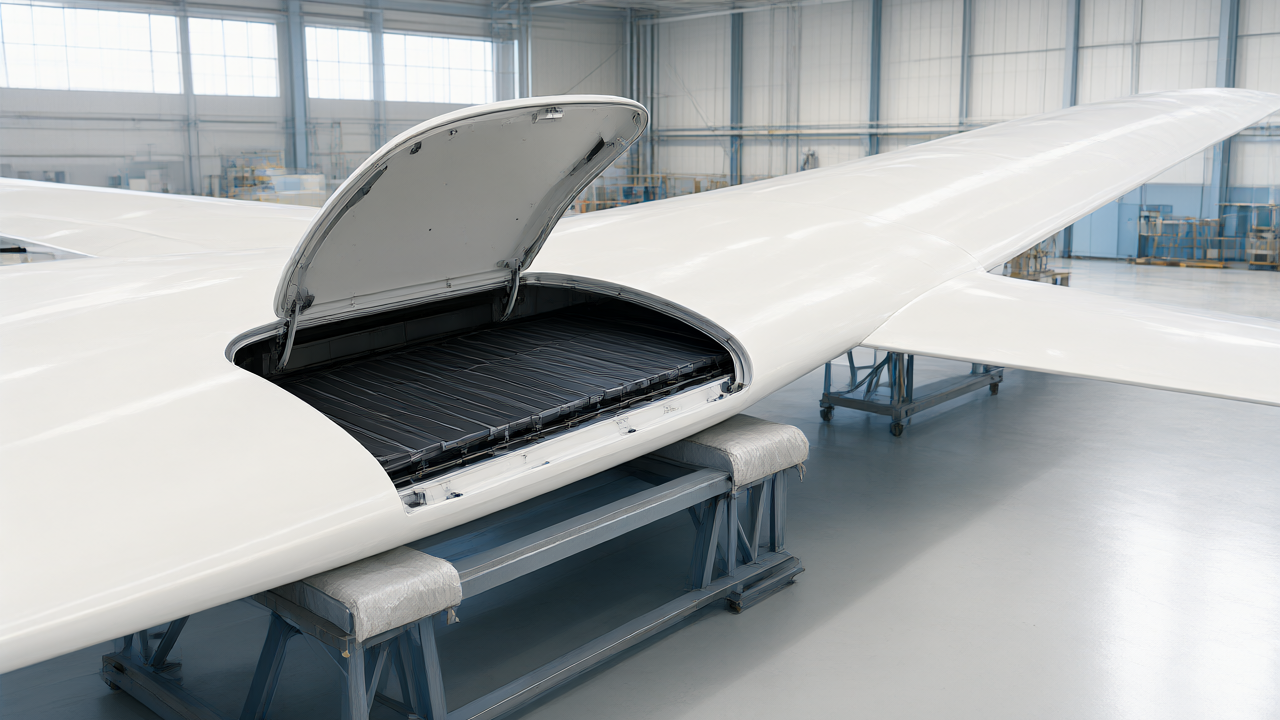
The aircraft is a heavily modified Pipistrel Taurus, a lightweight, two-seat motorized glider chosen for its aerodynamic efficiency in thin air. The core technical advancement is the integration of new solid-state cells delivering approximately 410 watt-hours per kilogram (Wh/kg). This represents a 60% increase in energy density compared to the 260 Wh/kg lithium-ion batteries previously utilized by the team.
To support these tests, Helios Horizon collaborated with the University of North Dakota’s John D. Odegard School of Aerospace Sciences. The partnership included the use of a hypobaric chamber to test life support gear and pressure suits, as well as the deployment of an experimental gas analyzer developed by researcher Shawn Wagner.
Background and Context
Miguel Iturmendi, a veteran test pilot with experience at NASA, HondaJet, Solar Impulse 2, and the Perlan Project, led the initiative. The team aims to overcome the weight limitations traditionally imposed by heavy batteries in electric aviation. The recent flights are currently awaiting official validation from the World Air Sports Federation, having been witnessed by a National Aeronautic Association observer.
Significance and Outlook
The roadmap for Helios Horizon includes upgrading batteries to provide an additional 25% energy density, with a goal to exceed 40,000 feet by early 2027. Looking further ahead, Iturmendi plans to develop the Helios Horizon 2, a pressurized commercial aircraft capable of transporting a pilot and two passengers to 80,000 feet. This platform is intended for atmospheric sensing, reconnaissance, and stratospheric tourism, allowing passengers to observe the curvature of the Earth.
Source: https://interestingengineering.com/innovation/electric-aircraft-reaches-17200-feet
Get our weekly technology intelligence — free
Receive an infographic that lets you judge at a glance whether each field’s analysis report is worth reading.
Subscribe Free — Weekly Tech Intelligence
By subscribing, you’ll receive Troy-Technical’s weekly technology intelligence newsletter.
- Your email and selected fields are used only to deliver the newsletter.
- We never share your information with third parties.
- You can unsubscribe anytime via the link in each email.
See our Privacy Policy for details.
Takes about a minute · Unsubscribe anytime