Key Findings
Toyota Motor Corporation has announced a pivotal advancement in its solid-state battery pilot production line, reporting the achievement of stable yields and enhanced cell consistency for its next-generation electric vehicle (EV) models. This milestone represents a significant step towards the mass production of all-solid-state batteries, culminating extensive research and development efforts particularly focused on sulfide-based solid electrolytes and advanced manufacturing techniques. The company plans a phased commercialization strategy, with initial deployment targeting high-performance niche vehicles before broader market integration.
Technical and Manufacturing Details
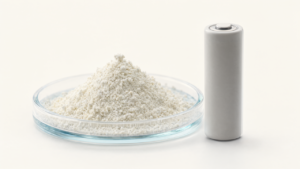
The progress stems primarily from the successful implementation of sulfide-based solid electrolytes and sophisticated processing techniques for their efficient manufacturing. Sulfide solid electrolytes are recognized for their high ionic conductivity and inherent flexibility, offering superior energy density and safety advantages. Toyota has overcome complex technical challenges in electrolyte layer formation, electrode interface optimization, and overall cell assembly, leading to the consistent production of high-quality cells. This significant reduction in cell-to-cell variability paves the way for building reliable and high-performance battery packs.
Background and Industry Context
The current EV market urgently demands extended range, faster charging, and improved safety profiles. All-solid-state batteries, which eliminate flammable liquid electrolytes, are seen as a transformative technology beyond the limits of traditional lithium-ion batteries, promising both reduced fire risk and substantially higher energy density. Toyota has consistently invested heavily in solid-state battery R&D, and this achievement in pilot production underscores its emerging technological leadership. The initial market penetration is expected in high-performance segments like sports cars and premium EVs, where the early adoption of higher-cost, cutting-edge technology is more feasible.
Strategic Significance and Outlook
Building on this pilot line success, Toyota is set to accelerate its roadmap towards full commercialization of solid-state batteries. The immediate next steps involve validating the technology and optimizing cost structures through deployments in niche markets. Subsequently, the company intends to gradually scale up battery production to enable wider application across the broader EV market. Should this technology achieve widespread adoption, it is poised to dramatically elevate EV performance and safety benchmarks, making a profound contribution to the realization of sustainable mobility.
Source: #
Get our weekly technology intelligence — free
Receive an infographic that lets you judge at a glance whether each field’s analysis report is worth reading.
Subscribe Free — Weekly Tech Intelligence
By subscribing, you’ll receive Troy-Technical’s weekly technology intelligence newsletter.
- Your email and selected fields are used only to deliver the newsletter.
- We never share your information with third parties.
- You can unsubscribe anytime via the link in each email.
See our Privacy Policy for details.
Takes about a minute · Unsubscribe anytime