Background and Industry Context
Solid-state batteries are poised to revolutionize energy storage, offering substantial advantages over conventional liquid lithium-ion batteries, including inherently lower fire risk, higher energy density, and extended cycle life. These characteristics make them highly anticipated for critical applications such as electric vehicles (EVs) and large-scale renewable energy storage systems. However, pervasive challenges like high manufacturing costs and inconsistencies in solid electrolyte quality have significantly hampered their path to mass production. Japan’s chemical industry holds a global leadership position in developing high-performance materials, and this specific advancement in precursor materials is deemed indispensable for fortifying the entire solid-state battery supply chain and accelerating its commercialization.
Key Innovation and Technical Details
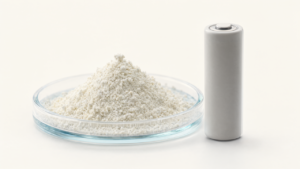
A leading Japanese chemical firm has announced the successful development and subsequent pilot-scale production of a novel high-purity precursor material specifically engineered for sulfide-based solid electrolytes—a critical component of next-generation solid-state batteries. This innovative material is designed to significantly enhance the consistency of electrolyte manufacturing processes and effectively mitigate impurities known to impair ionic conductivity and overall electrochemical stability.
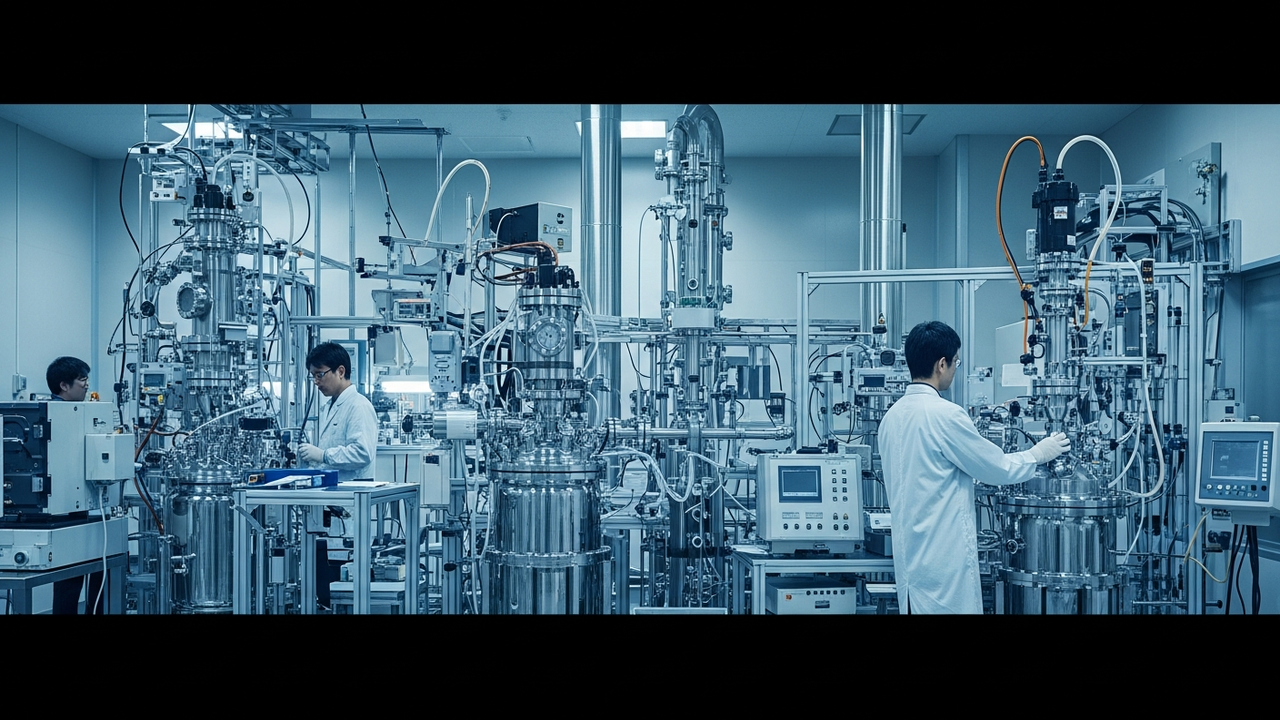
Achieving superior quality, the precursor material leverages a proprietary chemical synthesis route combined with advanced purification techniques. This approach successfully minimizes trace impurities that detrimentally affect the performance of sulfide solid electrolytes. The result is an enhanced uniformity of the final solid electrolyte layer and a reduction in interfacial resistance at the electrode-electrolyte interface, directly contributing to improved overall performance and reliability of solid-state batteries. The initiation of pilot production marks a crucial transition from laboratory-scale research to a commercial-demonstration phase, with rigorous quality control and optimized production efficiency as paramount objectives.
Strategic Significance and Outlook
This development and pilot production of a high-purity precursor material constitute a critical strategic maneuver for the Japanese battery materials industry, aiming to sustain and enhance its competitive edge within the rapidly evolving solid-state battery market. The company’s future plans include scaling up production and commencing supply to both domestic and international solid-state battery manufacturers. This accelerated availability of high-quality materials is expected to bring the mass production of solid-state batteries closer to reality, ultimately contributing to extended EV range, superior safety, and reduced system costs. Over the long term, this advanced material technology holds the potential to solidify a dominant position for Japanese companies in the global solid-state battery ecosystem.
Source: #
Get our weekly technology intelligence — free
Receive an infographic that lets you judge at a glance whether each field’s analysis report is worth reading.
Subscribe Free — Weekly Tech Intelligence
By subscribing, you’ll receive Troy-Technical’s weekly technology intelligence newsletter.
- Your email and selected fields are used only to deliver the newsletter.
- We never share your information with third parties.
- You can unsubscribe anytime via the link in each email.
See our Privacy Policy for details.
Takes about a minute · Unsubscribe anytime