


Key Findings
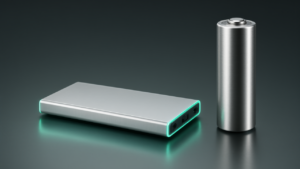
Hitachi and Hitachi High-Tech have developed a technical process to analyze the impact of metallic contaminants on all-solid-state battery performance. Using a specific material configuration consisting of a nickel-manganese-cobalt acid lithium cathode, a sulfide-based solid electrolyte, and a lithium alloy anode, the companies confirmed that copper present in the cathode at certain sizes increases the risk of internal short circuits.
Technical Details
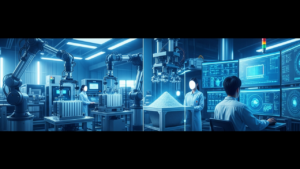
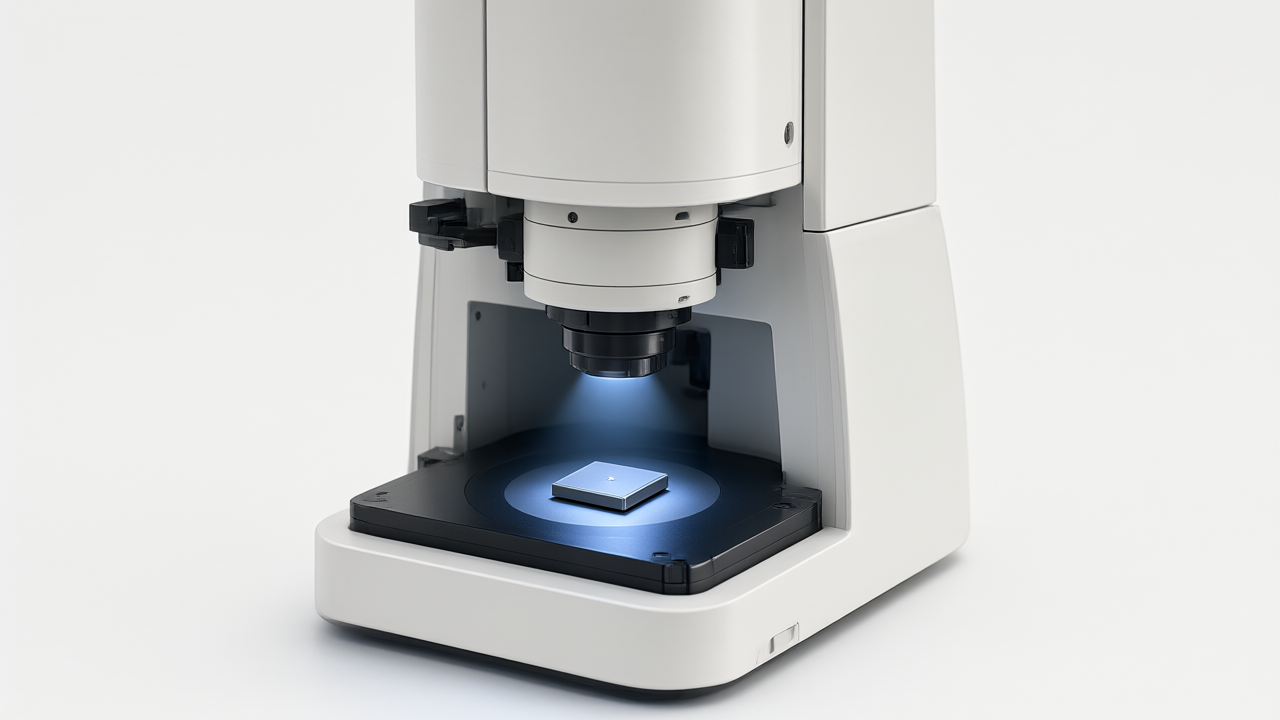
The development integrates Hitachi High-Tech’s advanced analytical instrumentation—specifically X-ray analysis equipment and electron microscopes—with Hitachi’s expertise in battery prototyping and analysis. This combination allows for the precise evaluation of the following variables regarding metallic contaminants:
- Contaminant type
- Contaminant size
- Position of contamination within the battery
Additionally, the companies have established a specialized disassembly and pretreatment process designed to allow analytical instruments to evaluate the exact locations where short circuits occur.
Background and Context
The push toward carbon neutrality and the expansion of electric mobility have accelerated the development of all-solid-state batteries due to their high energy density and safety. However, because these batteries utilize novel materials and structures, stabilizing manufacturing conditions is critical. Specifically, minute metallic contaminants introduced during the production process can vary in their impact on battery performance depending on their characteristics, necessitating a standardized method to identify which items must be prioritized during quality inspections.
Significance and Outlook
This technology enables manufacturers to organize and prioritize the specific contaminant conditions and inspection items required for mass production. Moving forward, Hitachi and Hitachi High-Tech intend to collaborate with battery-related companies to verify the applicability of this technology. By accumulating data on contaminant conditions and verification items, the companies intend to stabilize quality during the initial ramp-up of all-solid-state battery mass production.
Source: https://www.nikkei.com/article/DGXZRSP715599_Q6A121C2000000/
Get our weekly technology intelligence — free
Receive an infographic that lets you judge at a glance whether each field’s analysis report is worth reading.
Subscribe Free — Weekly Tech Intelligence
By subscribing, you’ll receive Troy-Technical’s weekly technology intelligence newsletter.
- Your email and selected fields are used only to deliver the newsletter.
- We never share your information with third parties.
- You can unsubscribe anytime via the link in each email.
See our Privacy Policy for details.
Takes about a minute · Unsubscribe anytime