Key Findings
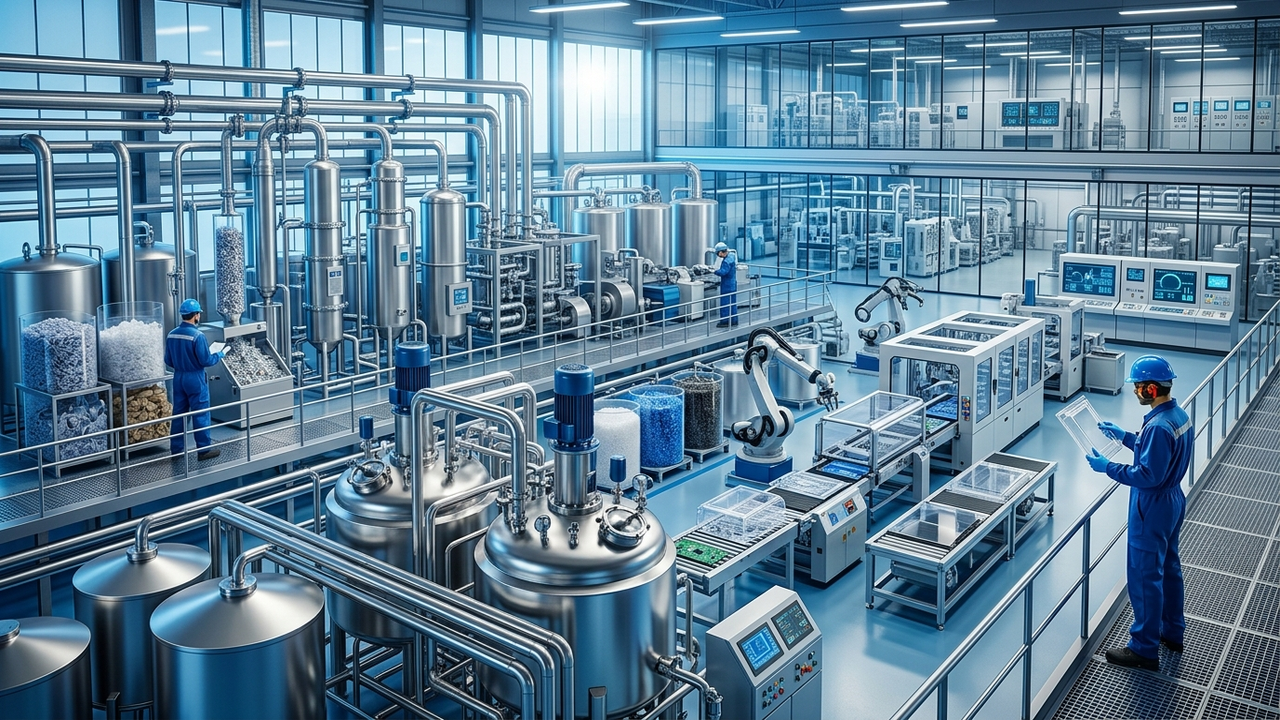
Polycarbonate and epoxy resins, high-performance materials that utilize bisphenol A (BPA) as a fundamental building block, play indispensable roles across diverse sectors of modern industry. These resins underpin the performance and reliability of advanced products in vehicles, medical devices, and electronics, thanks to their exceptional transparency, mechanical strength, heat resistance, and durability. Concurrently, the industry is committed to enhancing the sustainability of these materials throughout their lifecycle, focusing on improved recycling technologies and the development of energy-efficient manufacturing methods.
Technical / Clinical Details
Polycarbonate is widely used in automotive headlight lenses, CDs/DVDs, smartphone housings, and medical instruments due to its high transparency, excellent impact resistance, and good heat resistance. Epoxy resins, conversely, are critical for paints, adhesives, composite materials (e.g., FRP in aerospace), and electronic circuit boards, owing to their strong adhesive properties, electrical insulation, chemical resistance, and heat resistance. BPA plays a crucial role in conferring stability and high performance to these polymers. Currently, manufacturing efforts are concentrated on optimizing energy consumption, reducing waste, and implementing advanced mechanical and chemical recycling technologies to minimize the environmental footprint of these materials.
Background & Context
Modern society constantly demands higher-performing, lighter, and more durable products. Polycarbonate and epoxy resins have been trusted materials for many years in meeting these requirements. However, with global challenges such as plastic pollution and resource depletion becoming more pronounced, awareness of the sustainability of these materials has grown. While concerns about BPA have been debated in the past, the industry continues its improvement efforts based on scientific evidence, addressing both product safety and environmental performance.
Strategic Significance & Outlook
BPA-based polycarbonate and epoxy resins will continue to be indispensable materials in many industrial sectors due to their superior performance characteristics. Future advancements are expected in more efficient recycling processes (e.g., chemical recycling for BPA recovery and reuse), the development of bio-based BPA, and further innovation in low-environmental-impact manufacturing technologies. Through these efforts, these high-performance materials are set to strengthen their role as foundational materials supporting next-generation technological innovation, balancing performance with sustainability. Collaboration across industries and accelerated R&D will be key to achieving these goals.
Get our weekly technology intelligence — free
Receive an infographic that lets you judge at a glance whether each field’s analysis report is worth reading.
Subscribe Free — Weekly Tech Intelligence
By subscribing, you’ll receive Troy-Technical’s weekly technology intelligence newsletter.
- Your email and selected fields are used only to deliver the newsletter.
- We never share your information with third parties.
- You can unsubscribe anytime via the link in each email.
See our Privacy Policy for details.
Takes about a minute · Unsubscribe anytime