Key Findings
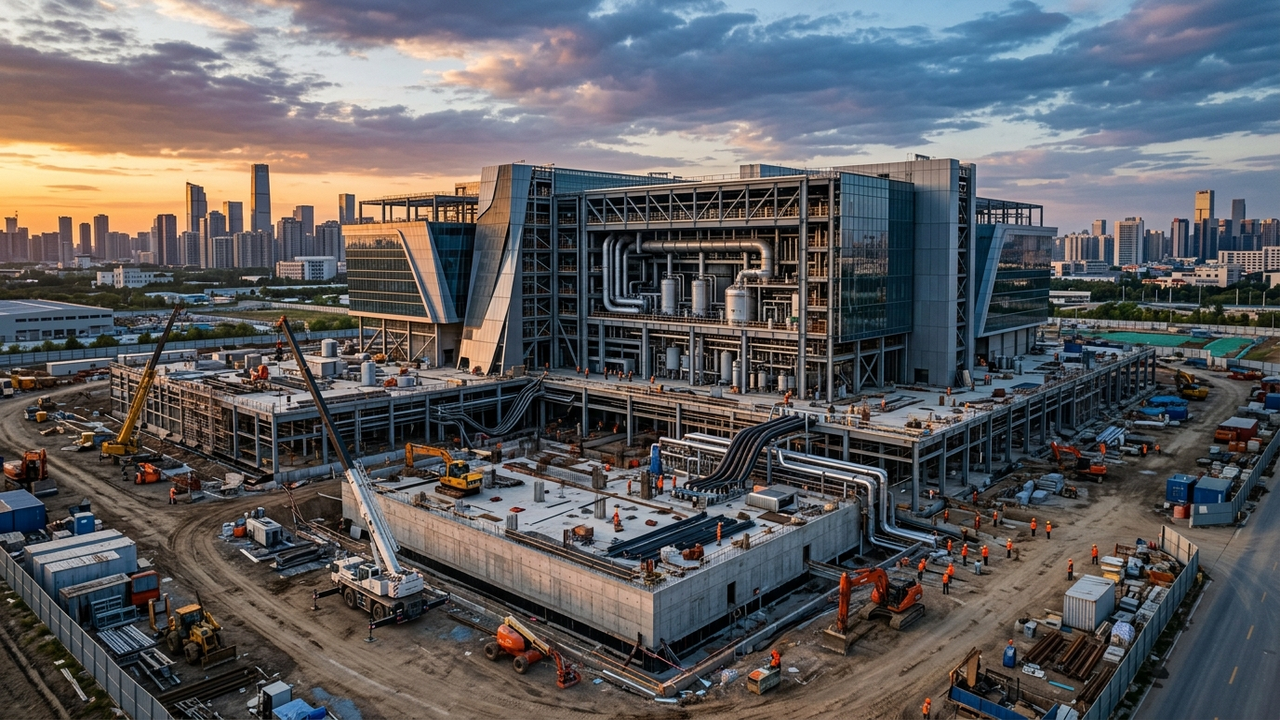
The global investment surge into quantum computing, projected to reach $70 billion, is fundamentally reshaping the data center market by creating a distinct real estate category that diverges from conventional development. Due to their advanced technical demands, quantum computing facilities prioritize geographical proximity to research institutions and specialized talent. Their infrastructure requirements—such as extreme cryogenic cooling, stringent vibration control, and electromagnetic interference shielding—differ significantly from the site selection criteria for traditional hyperscale data centers. This paradigm shift has critically impacted data center real estate development, leading to the temporary halt of approximately $10 billion worth of development projects.
Technical / Clinical Details
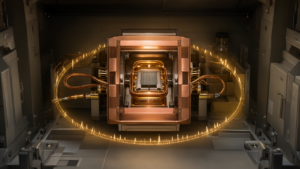
- Specialized Quantum Facility Requirements: Quantum computers, by their operational principles, demand an extraordinarily stable environment. For instance, systems utilizing superconducting qubits operate at extremely low temperatures near absolute zero (in millikelvins), necessitating sophisticated cryogenic cooling systems. Additionally, qubits are highly sensitive to even minute vibrations and electromagnetic interference, requiring rigorous anti-vibration measures and electromagnetic shielding. These requirements add new design criteria beyond the traditional data center priorities of power supply, network connectivity, and land area.
- Strategic Location Shifts: While conventional data centers often locate in suburban areas seeking inexpensive power, vast land, and cooling water resources, quantum facilities prioritize proximity to urban centers and academic clusters where universities, research institutions, and skilled quantum scientists and engineers are concentrated. This fosters research collaboration and facilitates talent acquisition.
- Impact on Real Estate Market: This change in requirements presents both new opportunities and challenges for data center real estate developers and investors. While some conventional data center construction is paused, there is an emerging need for new types of real estate development tailored to the specialized demands of quantum facilities. This implies that colocation providers and cloud service providers must re-evaluate their capital allocation for infrastructure to support quantum technologies.
Background & Context
Investment in the quantum computing sector is accelerating globally, with national governments worldwide committing significant funds as part of their strategic agendas. The U.S., through the CHIPS and Science Act, has allocated approximately $280 billion for R&D in quantum, computing, and AI. A Boston Consulting Group report indicated that in 2025, enterprise spending on quantum computing surpassed that of research institutions and governments for the first time, signaling quantum technology’s transition into the ‘industrial application’ phase. As this technology matures, the demand for specialized physical infrastructure naturally grows.
Strategic Significance & Outlook
The progression of quantum computing will redefine the data center industry landscape in the long term. While some conventional data center development may slow, an increase in construction and infrastructure investment specifically for quantum facilities is anticipated. This will compel real estate developers, construction companies, and infrastructure providers to develop advanced expertise and new technological solutions. As quantum computing gains broader adoption, quantum-ready infrastructure will become a critical component of the technology ecosystem, central to new economic opportunities and technological innovation. The data center industry must adapt swiftly to this new trend and formulate strategies to meet the demands of the future quantum era.
Get our weekly technology intelligence — free
Receive an infographic that lets you judge at a glance whether each field’s analysis report is worth reading.
Subscribe Free — Weekly Tech Intelligence
By subscribing, you’ll receive Troy-Technical’s weekly technology intelligence newsletter.
- Your email and selected fields are used only to deliver the newsletter.
- We never share your information with third parties.
- You can unsubscribe anytime via the link in each email.
See our Privacy Policy for details.
Takes about a minute · Unsubscribe anytime