Key Findings
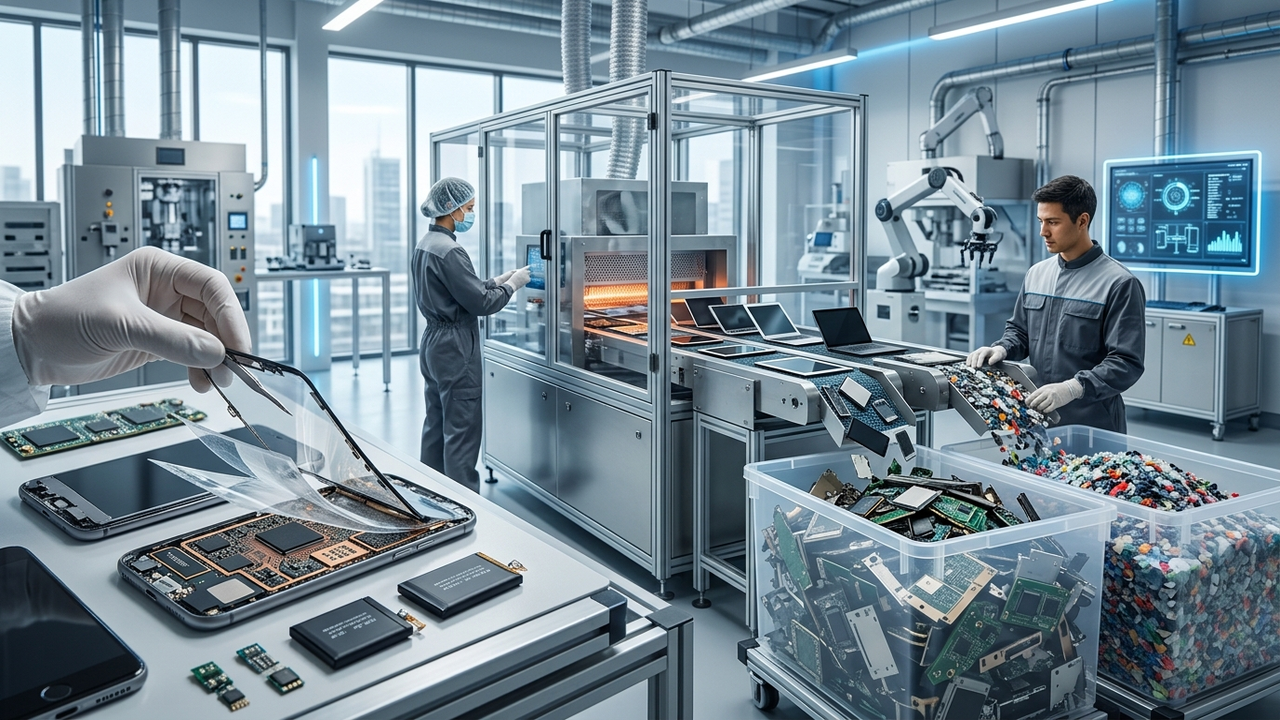
Cyclomer, in collaboration with recycled plastics companies, has announced ‘D-glue,’ an innovative debondable adhesive that loses its bonding properties when exposed to heat. This technology is expected to dramatically improve the recovery rate of high-value technical plastics from end-of-life electronic devices.
Technical / Clinical Details
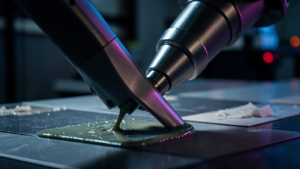
‘D-glue’ is a thermally activated adhesive engineered to lose its adhesive strength upon exposure to a specific temperature. This characteristic allows for easy and damage-free disassembly of complex consumer goods, such as smartphones and laptops, at the end of their lifecycle. Traditionally, separating adhesive-bound components in recycling processes has been challenging, often leading to contamination or damage of valuable plastics, significantly diminishing their value. By enabling the clean and undamaged separation and recovery of polymers, D-glue enhances the purity of reclaimed plastics, expanding their potential for high-grade reuse. This advancement not only increases the economic viability of recycling but also contributes directly to waste reduction.
Background & Context
The rapid proliferation of electronic devices and shorter replacement cycles have led to a severe global challenge: the escalating volume of electronic waste (e-waste). While e-waste contains valuable metals and plastics, efficient recovery has been hampered by conventional disassembly and recycling methods. Global regulations, particularly in regions like the European Union, are increasingly advocating for ‘right to repair’ initiatives and a transition towards a circular economy, intensifying the demand for improved recyclability at the product design stage. Debondable adhesives like D-glue are emerging as a pivotal technology within this context, offering a solution to reduce environmental impact and enhance resource efficiency throughout a product’s entire lifecycle.
Strategic Significance & Outlook
The D-glue technology holds the potential to revolutionize recycling processes not only in electronics but also across various sectors including automotive, home appliances, and medical devices. Manufacturers can integrate this adhesive into product designs to reduce future recycling costs and simultaneously contribute to their corporate sustainability goals. Consumers will benefit from more widely recyclable products, promoting environmentally conscious choices. The widespread adoption of this technology is expected to foster efficient resource utilization, representing a significant step toward achieving a sustainable society and strengthening global efforts in materials circularity.
Source: https://cyclomer.co.uk/en/news/debondable-adhesive-electronics-plastic-recycling
Get our weekly technology intelligence — free
Receive an infographic that lets you judge at a glance whether each field’s analysis report is worth reading.
Subscribe Free — Weekly Tech Intelligence
By subscribing, you’ll receive Troy-Technical’s weekly technology intelligence newsletter.
- Your email and selected fields are used only to deliver the newsletter.
- We never share your information with third parties.
- You can unsubscribe anytime via the link in each email.
See our Privacy Policy for details.
Takes about a minute · Unsubscribe anytime




Comments