Background
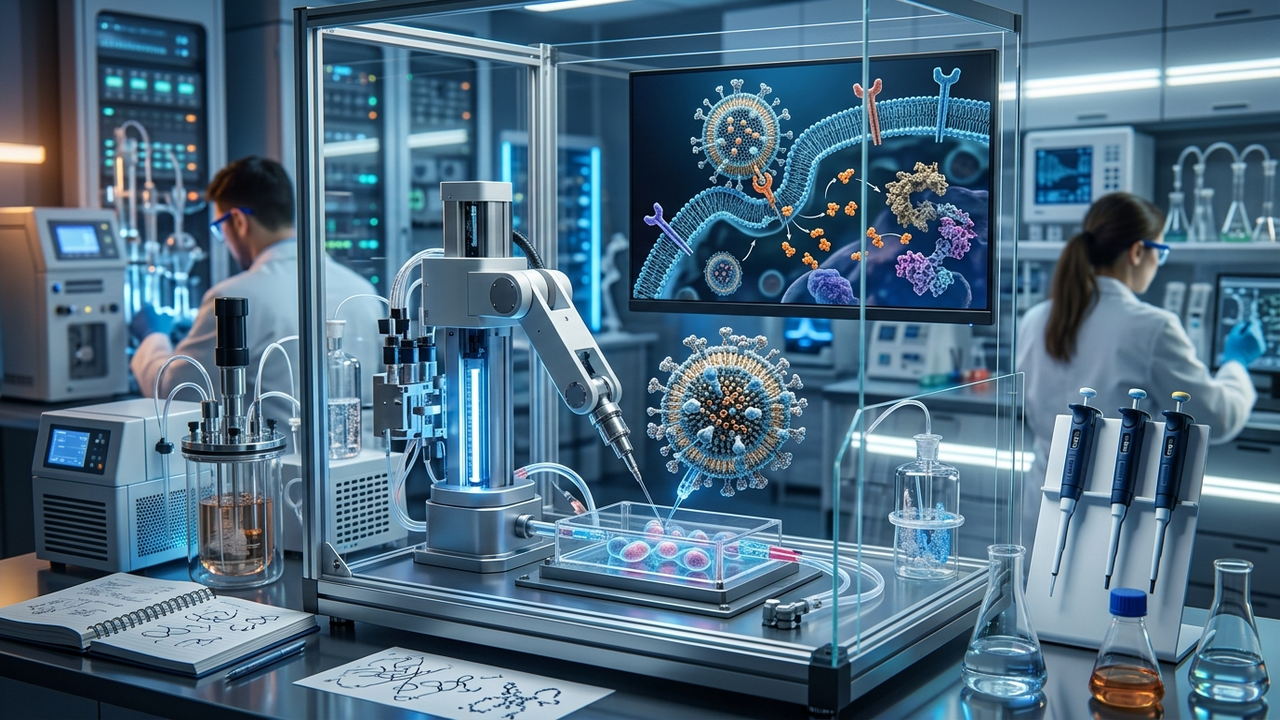
Targeted Protein Degradation (TPD) has rapidly developed as a novel therapeutic strategy for previously ‘undruggable’ targets in diseases like cancer and neurodegenerative disorders. However, its unique pharmacokinetic profile, differing significantly from traditional small molecules, necessitates innovative delivery approaches. The combination with nanomedicine is a crucial step to overcome these constraints and fully unlock the therapeutic potential of TPD degraders. The pharmaceutical industry holds high expectations for the synergy between TPD and Drug Delivery System (DDS) technologies, with extensive research and development underway to translate these concepts into clinical reality.
Key Findings
A recent MDPI paper evaluates the progress of nanomedicine and programmable proximity platforms in targeted protein degradation (TPD), highlighting their potential to resolve critical delivery challenges for degraders in clinical applications. Degrading agents such as PROTACs and molecular glues have historically faced pharmacokinetic hurdles including poor solubility, limited permeability, and insufficient tissue selectivity due to their inherent chemical properties. Nanoparticle-based delivery systems have emerged as a promising solution to these issues, improving stability and targeted delivery. Notably, androgen receptor (AR) and estrogen receptor (ER) degraders are underscored as successful clinical PROTAC examples, demonstrating significant therapeutic promise in prostate and breast cancer treatment.
Technical and Clinical Details
Nanomedicine significantly enhances drug stability, prolongs systemic circulation, and enables specific delivery to target cells by encapsulating or surface-modifying degraders. This advanced approach minimizes systemic exposure and consequently reduces off-target effects, a common limitation of conventional therapies. For instance, PROTACs incorporated into nanoparticles have demonstrated an improved ability to efficiently cross cell membranes and reach intracellular protein targets. The clinical examples of AR and ER degraders showcase the potential for more complete and sustained therapeutic responses in hormone-sensitive cancers compared to traditional inhibitors, representing a substantial advancement in treating these malignancies.
Strategic Significance and Outlook
The integration of nanomedicine and programmable proximity platforms opens new frontiers in the TPD field, offering unprecedented opportunities for therapeutic innovation. Future prospects include the development of more sophisticated nanocarrier designs, the creation of highly precise cell and tissue-specific targeting mechanisms, and further research aimed at enhancing degradation efficiency and safety in vivo. These technological advancements are expected to accelerate the clinical success of TPD degraders, paving the way for the development of innovative therapies for diseases with previously limited treatment options, thereby transforming patient care and outcomes globally.
Source: https://www.mdpi.com/1999-4923/18/9/1097
Get our weekly technology intelligence — free
Receive an infographic that lets you judge at a glance whether each field’s analysis report is worth reading.
Subscribe Free — Weekly Tech Intelligence
By subscribing, you’ll receive Troy-Technical’s weekly technology intelligence newsletter.
- Your email and selected fields are used only to deliver the newsletter.
- We never share your information with third parties.
- You can unsubscribe anytime via the link in each email.
See our Privacy Policy for details.
Takes about a minute · Unsubscribe anytime







Comments