Key Findings
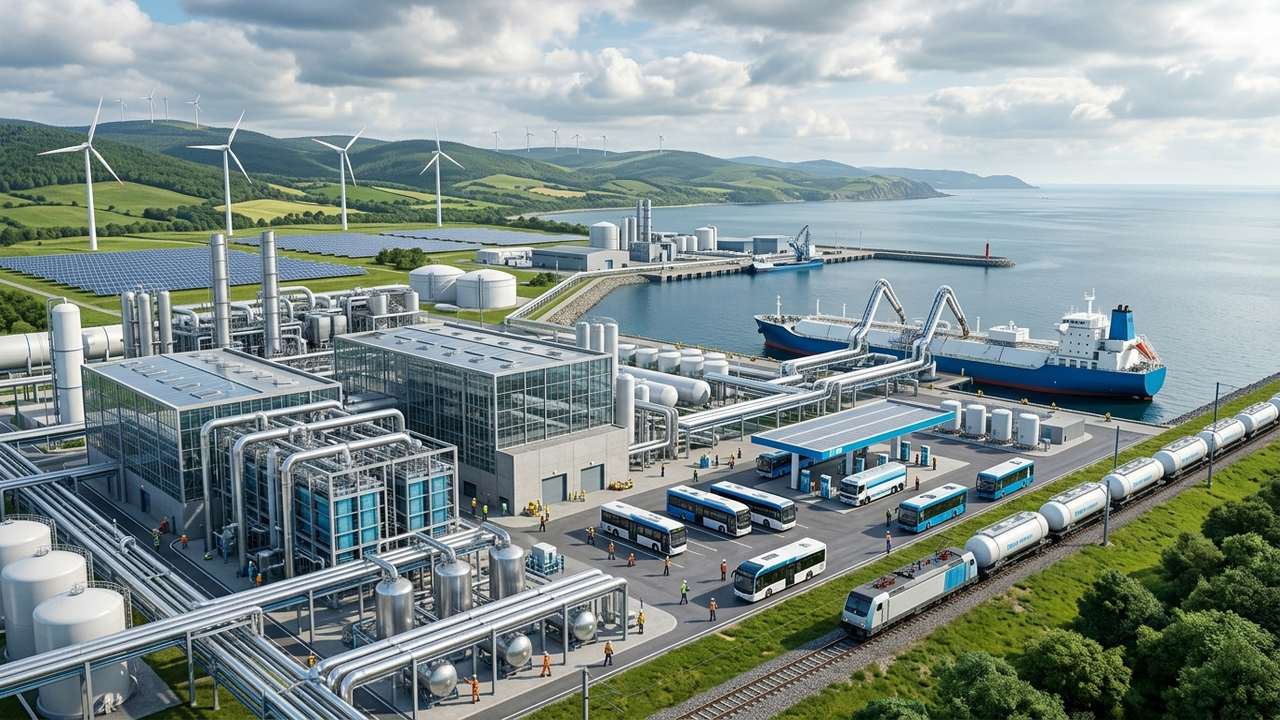
According to the “Global Hydrogen Compass 2026” report released by the Hydrogen Council, committed investment in clean hydrogen worldwide has exceeded $130 billion, encompassing more than 570 projects. A remarkable 90% of these projects are currently under construction or already operational, indicating a rapid progression towards commercialization. This substantial investment surge is primarily attributed to heightened global emphasis on energy security and industrial growth priorities, signaling hydrogen’s pivotal role beyond mere decarbonization.
Technical / Clinical Details
The report details a dynamic global landscape for clean hydrogen development. China has emerged as the global leader in renewable hydrogen capacity, driven by aggressive deployment of electrolyzer technologies. Europe demonstrates leadership in the sheer number of hydrogen projects, reflecting a broad-based effort to integrate hydrogen into diverse applications across the continent. Meanwhile, the United States is at the forefront of low-carbon hydrogen deployment, supported by significant policy incentives aimed at scaling up production with carbon capture technologies. These regional strengths are fostering a global ecosystem where different countries contribute specialized expertise and capacity to accelerate the overall hydrogen transition.
The fact that 90% of projects are in advanced stages of development (under construction or operational) underscores a tangible shift from conceptualization to implementation. This includes mega-scale electrolysis plants, advanced hydrogen storage and transportation infrastructure, and the integration of hydrogen as a feedstock and fuel in various industrial processes.
Background & Context
Recent geopolitical tensions and disruptions to global supply chains have re-emphasized the critical importance of energy security and resilience for nations worldwide. The Middle East conflict and shipping disruptions, in particular, have prompted a structural shift in how hydrogen and its derivatives are perceived, positioning them as key strategic assets alongside their environmental benefits. This expanded view means hydrogen is no longer solely a tool for climate action but also a vital component for national energy independence and economic stability. Governments and industries are consequently accelerating investments to diversify energy supplies and bolster domestic production capabilities, aligning with both decarbonization goals and national security imperatives.
Strategic Significance & Outlook
The global investment surpassing $130 billion in clean hydrogen projects unequivocally demonstrates the accelerating momentum of the hydrogen economy on a global scale. As technology continues to advance, costs decrease, and policy support expands, hydrogen is poised to become an indispensable element of the future energy mix. The heightened focus on energy security is expected to further catalyze investment, driving the construction of robust hydrogen supply chains and fostering deeper international collaboration. The distinct leadership roles of China, Europe, and the US, when leveraged synergistically, promise to propel the hydrogen economy into full-scale deployment, making significant contributions to global decarbonization and sustainable development.
Get our weekly technology intelligence — free
Receive an infographic that lets you judge at a glance whether each field’s analysis report is worth reading.
Subscribe Free — Weekly Tech Intelligence
By subscribing, you’ll receive Troy-Technical’s weekly technology intelligence newsletter.
- Your email and selected fields are used only to deliver the newsletter.
- We never share your information with third parties.
- You can unsubscribe anytime via the link in each email.
See our Privacy Policy for details.
Takes about a minute · Unsubscribe anytime





Comments