Key Findings
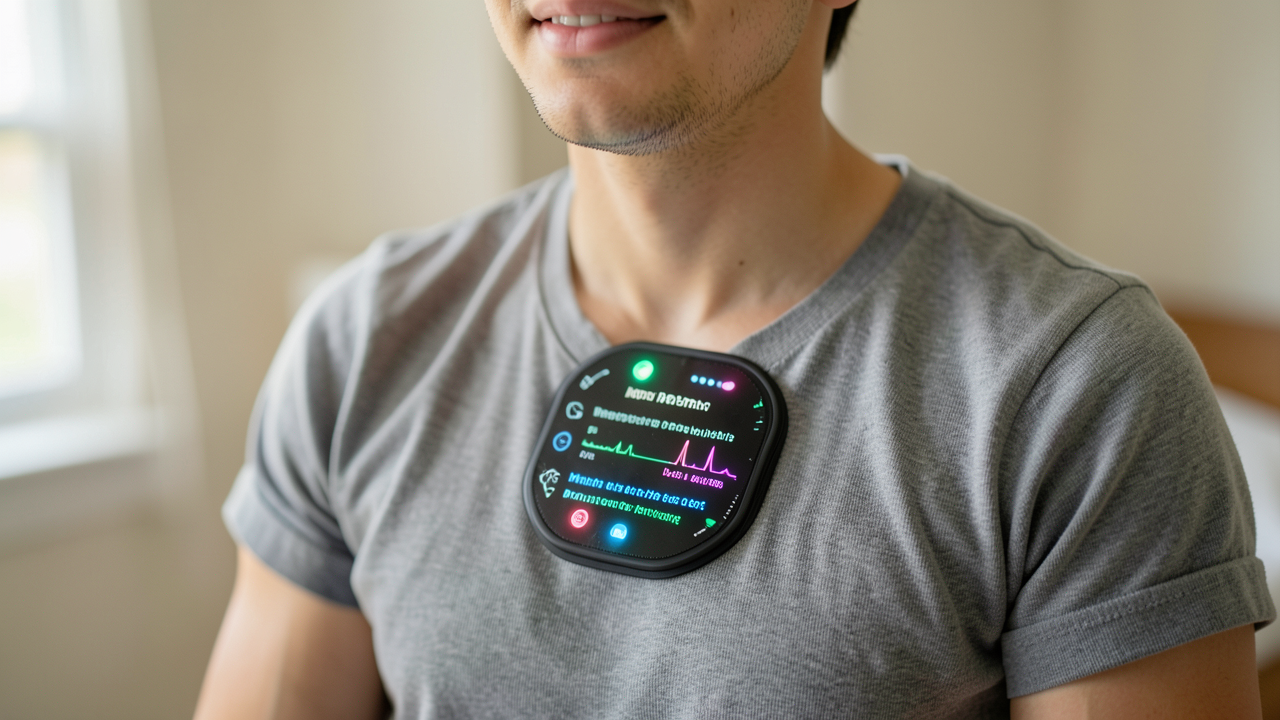
A groundbreaking remote health monitoring technology has emerged, enabling continuous, 24/7 healthcare for patients in their homes, with a particular focus on post-surgical recovery and the elderly. This system leverages advanced biosensors to track vital signs in real-time, facilitating immediate advice and medical intervention upon detecting health abnormalities. The core objective is to proactively prevent emergencies, reduce hospital readmissions, and ensure patients can recuperate safely and comfortably within their own environments.
Technical/Clinical Details
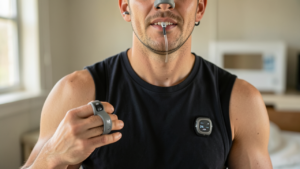
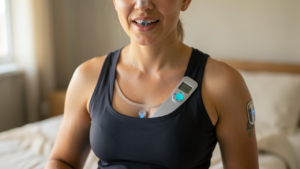
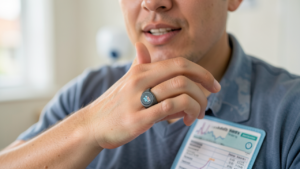
This remote monitoring system integrates various types of biosensors, including wearable patches, rings, and smartwatches, which measure crucial vital signs such as heart rate, respiratory rate, body temperature, blood pressure, and oxygen saturation. Data collected from these sensors is transmitted to a secure cloud platform, where it is analyzed by sophisticated AI algorithms. These algorithms continuously assess data streams against the patient’s baseline, identifying unusual patterns or trends that may indicate disease progression or potential health issues. For instance, sudden fluctuations in heart rate or changes in breathing patterns can trigger early alerts. Healthcare providers can then remotely evaluate the patient’s condition based on this data, offering advice via video calls or messages, or arranging in-person visits as needed.
Background & Context
Modern healthcare systems are increasingly strained by an aging global population and the rising prevalence of chronic diseases. Limited hospital bed capacity and frequent hospital visits for post-surgical patients or the elderly place significant burdens on medical resources. In this context, remote healthcare and digital health solutions have gained paramount importance. Home-based monitoring enhances patient independence, reduces the risk of hospital-acquired infections, and is expected to lower healthcare costs. Particularly for post-discharge care and fall risk management in the elderly, continuous monitoring is becoming an indispensable element for ensuring patient safety and peace of mind.
Strategic Significance & Outlook
This type of remote health monitoring technology holds the potential to profoundly transform the future of healthcare. Future developments will focus on further miniaturization and precision enhancement of sensor technologies, refinement of AI algorithms, and the provision of more personalized medical interventions. Ensuring patient privacy and data security will also be critical for widespread adoption. In the long term, these systems are expected to play a central role in disease prevention, early diagnosis, and the development of personalized treatment plans, becoming powerful tools for individuals to lead longer, healthier lives. Healthcare providers will be able to deliver more effective, data-driven care, thereby improving the overall efficiency and efficacy of the healthcare system.
Get our weekly technology intelligence — free
Receive an infographic that lets you judge at a glance whether each field’s analysis report is worth reading.
Subscribe Free — Weekly Tech Intelligence
By subscribing, you’ll receive Troy-Technical’s weekly technology intelligence newsletter.
- Your email and selected fields are used only to deliver the newsletter.
- We never share your information with third parties.
- You can unsubscribe anytime via the link in each email.
See our Privacy Policy for details.
Takes about a minute · Unsubscribe anytime


Comments