Key Findings
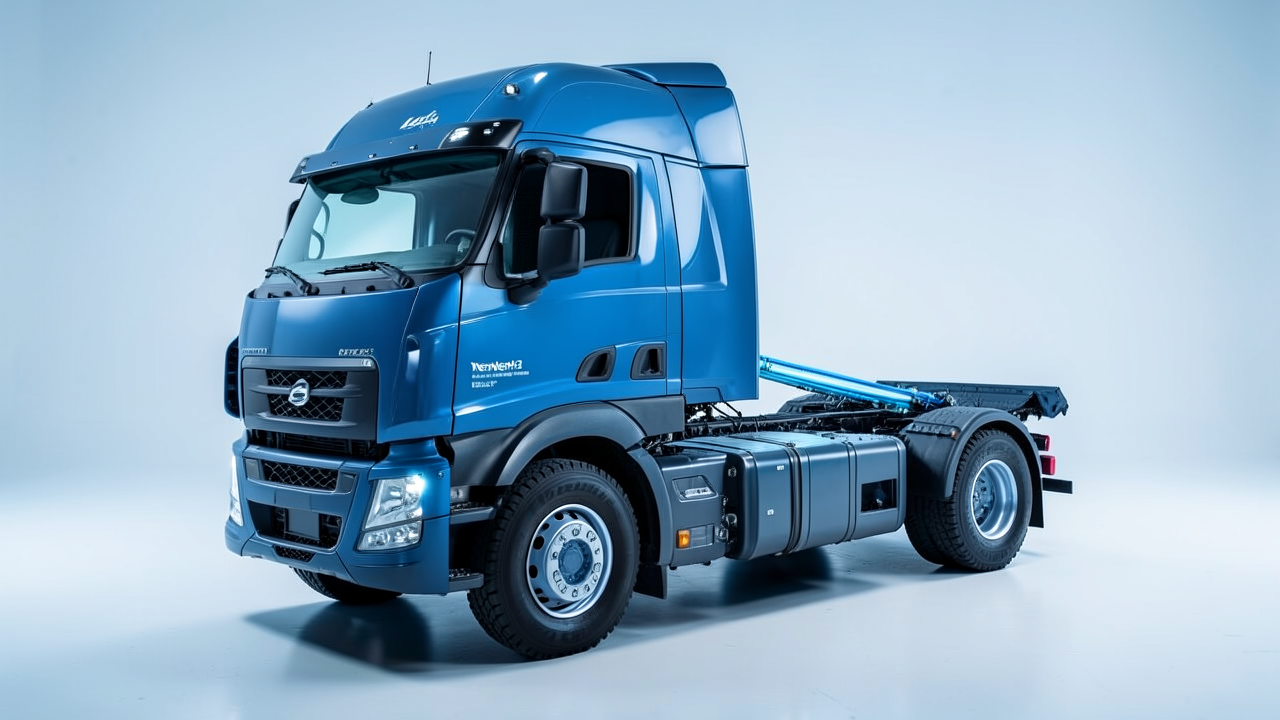
IAA Transportation 2026 in Hanover, Germany, underscored the rapid acceleration of electrification within the commercial vehicle sector, with a particular emphasis on hydrogen fuel cell technology. Daimler Truck Holding AG demonstrated clear leadership in this domain by announcing plans to deploy approximately 100 liquefied hydrogen-fueled NextGenH2 trucks for long-haul transport into customer operations by the end of 2026.
Technical / Clinical Details
Daimler Truck’s NextGenH2 trucks utilize liquefied hydrogen as a fuel source, enabling zero-emission operations while maintaining range and payload capacities comparable to diesel-powered vehicles. Liquefied hydrogen boasts a higher energy density than compressed hydrogen, allowing for efficient storage of the large fuel volumes required for heavy-duty, long-haul commercial transport. The deployment of 100 units into customer operations by year-end 2026 is a crucial indicator of this technology transitioning from demonstration to commercial implementation.
Similarly, Volvo Group is actively engaged in hydrogen technology development, pursuing both fuel cell trucks and trucks equipped with hydrogen internal combustion engines. This dual approach offers customers flexibility in selecting optimal zero-emission solutions based on their specific application needs. Toyota Motor Corporation is also extending its extensive experience with fuel cell systems, cultivated in the passenger car sector, into the commercial vehicle market, accelerating the adoption of hydrogen fuel cell trucks through collaborations with European partners.
Background & Context
The European Union’s stringent emission regulations and decarbonization targets are compelling commercial vehicle manufacturers to invest in innovative zero-emission technologies. Long-haul trucks face challenges with range, refueling time, and payload capacity that battery electric vehicles alone often struggle to address effectively, positioning hydrogen fuel cell vehicles as a strong alternative. The announcements made at IAA Transportation 2026 indicate that hydrogen technology is evolving beyond mere R&D into concrete products and deployment plans, signaling a commercial breakthrough.
Strategic Significance & Outlook
The aggressive deployment of hydrogen commercial vehicles by leading manufacturers such as Daimler, Volvo, and Toyota is expected to further accelerate the development of hydrogen refueling infrastructure. Advancements in liquefied hydrogen storage and supply technologies, coupled with improvements in cost efficiency, will be key drivers for market penetration. Over the next few years, a significant increase in the adoption of hydrogen fuel cell trucks in the long-haul sector is anticipated, contributing substantially to the decarbonization of the logistics industry. This movement represents a critical turning point in the energy transition of road transport and a major impetus towards establishing a hydrogen economy.
Get our weekly technology intelligence — free
Receive an infographic that lets you judge at a glance whether each field’s analysis report is worth reading.
Subscribe Free — Weekly Tech Intelligence
By subscribing, you’ll receive Troy-Technical’s weekly technology intelligence newsletter.
- Your email and selected fields are used only to deliver the newsletter.
- We never share your information with third parties.
- You can unsubscribe anytime via the link in each email.
See our Privacy Policy for details.
Takes about a minute · Unsubscribe anytime






Comments