Key Findings
The landscape of biopharmaceutical delivery is undergoing a significant transformation, driven by the demonstrated success of oral formulations for previously injectable biologics. Novo Nordisk’s oral semaglutide tablet (Wegovy) received FDA approval in December 2025 and launched commercially in January 2026, quickly followed by Eli Lilly’s orforglipron approval in April 2026. These oral GLP-1 receptor agonists have set a new benchmark, proving that convenient oral delivery can dramatically improve patient adherence and outcomes in chronic conditions. This commercial validation is now fueling further innovation in oral biopharmaceutical delivery systems, notably by companies like Rani Therapeutics.
Technical / Clinical Details
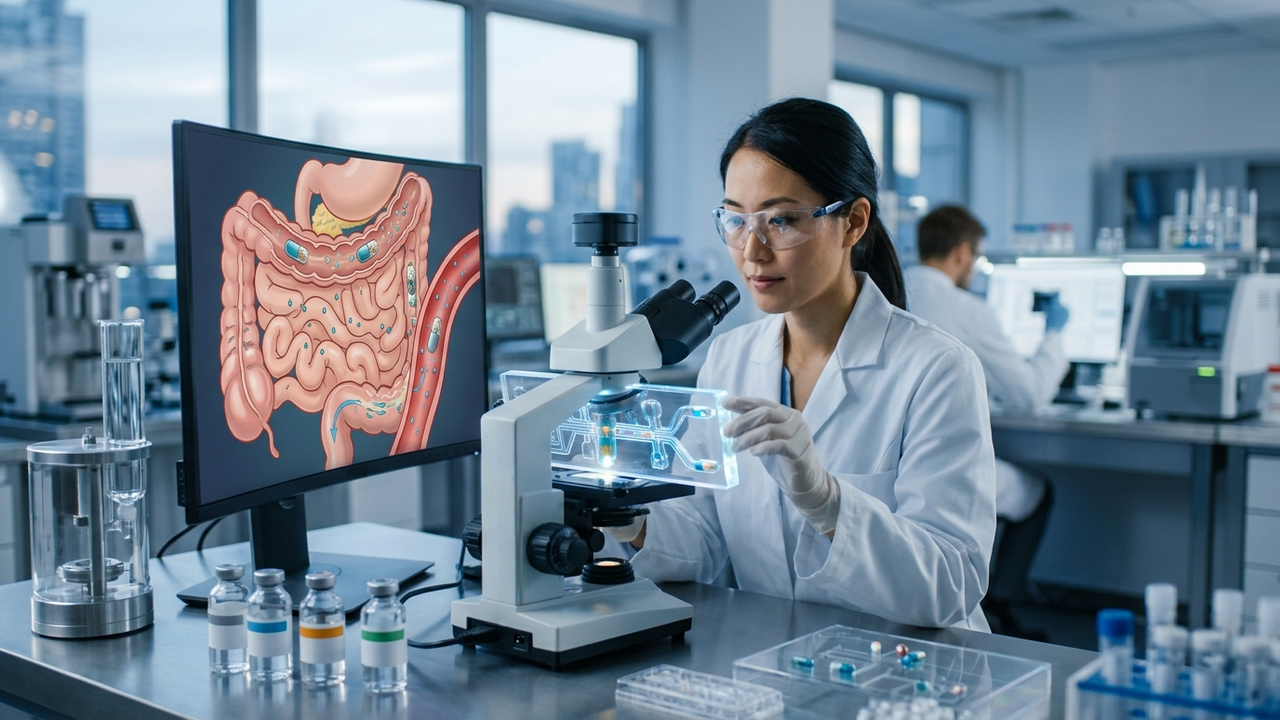
Rani Therapeutics has made substantial progress with its proprietary RaniPill® capsule, an ingestible robotic device designed to deliver biologics orally by protecting them from degradation in the stomach and injecting them directly into the intestinal wall for absorption. The company announced impressive Phase 1 results for RT-111, an oral ustekinumab biosimilar, achieving an average bioavailability of 84% compared to subcutaneous injection. This high bioavailability is a crucial indicator for the potential of oral delivery platforms to rival traditional injectable methods. Furthermore, Rani Therapeutics reported positive Phase 1a results for RT-114, a dual GLP-1/GLP-2 agonist, expanding its pipeline of orally delivered biological candidates. These results underscore the technical feasibility and therapeutic promise of Rani’s innovative approach, which aims to overcome the gastrointestinal barriers that typically limit oral absorption of large molecule drugs.
Background & Context
Historically, the oral delivery of biopharmaceuticals, particularly peptide and protein-based drugs, has been hampered by their susceptibility to enzymatic degradation in the digestive tract and poor permeability across the intestinal epithelium. This has necessitated parenteral administration for most biologics, creating a significant burden for patients and often leading to suboptimal adherence, especially in long-term chronic treatments. The shift towards effective oral formulations, pioneered by GLP-1 therapies, represents a paradigm change. It addresses a critical unmet need for patient-friendly drug delivery, paving the way for a broader adoption of biopharmaceuticals by a wider patient population.
Strategic Significance & Outlook
The advancements in oral biopharmaceutical delivery, exemplified by the commercial success of oral GLP-1s and Rani Therapeutics’ clinical progress, hold immense strategic significance for the pharmaceutical industry. This technological evolution promises to unlock new market opportunities, particularly in large chronic disease areas such as diabetes, obesity, and autoimmune disorders, where patient convenience is a key differentiator. The ability to switch from injectable to oral administration can enhance market penetration, improve competitive positioning, and potentially reduce healthcare costs associated with drug administration. Investors and pharmaceutical companies are increasingly recognizing the transformative potential of these platforms, indicating a strong trend towards prioritizing oral delivery technologies in future drug development and acquisition strategies. This trend is expected to drive further innovation and investment in advanced drug delivery systems globally.
Get our weekly technology intelligence — free
Receive an infographic that lets you judge at a glance whether each field’s analysis report is worth reading.
Subscribe Free — Weekly Tech Intelligence
By subscribing, you’ll receive Troy-Technical’s weekly technology intelligence newsletter.
- Your email and selected fields are used only to deliver the newsletter.
- We never share your information with third parties.
- You can unsubscribe anytime via the link in each email.
See our Privacy Policy for details.
Takes about a minute · Unsubscribe anytime





Comments