
Key Findings
Germany, Austria, and Luxembourg have collaboratively introduced a €2.12 billion ($2.25 billion USD) double-auction mechanism to stimulate the market for renewable electricity-derived sustainable aviation fuel (eSAF). This groundbreaking program aims to simultaneously support eSAF production and procurement, thereby accelerating the decarbonization of the aviation sector.
Technical / Clinical Details
The innovative double-auction mechanism links eSAF producers and buyers, offering incentives to both parties. Specifically, producers receive subsidies to cover the difference between their production costs and market prices, while buyers are compensated for the price differential between eSAF and conventional jet fuel. This approach is designed to mitigate the high cost, which has historically been a significant barrier to eSAF adoption, thereby providing robust support for initial market formation. The mechanism specifically targets eSAF based on green hydrogen, produced using renewable electricity, to facilitate the establishment of a robust supply chain and achieve substantial reductions in aviation greenhouse gas emissions.
Background & Context
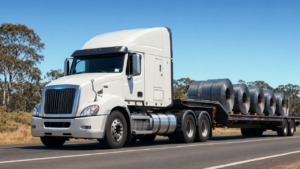
The aviation industry, inherently difficult to electrify, views Sustainable Aviation Fuels (SAF) as a critical pathway to decarbonization. eSAF, produced from green hydrogen and renewable electricity, is particularly promising as an ultra-clean fuel. The European Union has mandated SAF blending obligations for aviation, and this tripartite initiative by Germany, Austria, and Luxembourg underscores a commitment to rapidly establish the eSAF market within this regulatory framework. In parallel, green hydrogen projects in Africa are securing new funding, and electrolyzer manufacturer Ansaldo Green Tech is expanding its production capacity, signaling global progress in the green hydrogen ecosystem. Furthermore, Toyota and Iveco are planning road tests for zero-emission heavy-duty vehicles by early 2027, indicating steady advancement in hydrogen mobility solutions.
Strategic Significance & Outlook
This €2.12 billion program is expected to accelerate the reduction of eSAF production costs and drive widespread adoption, contributing significantly to aviation’s decarbonization targets. Should it prove successful, similar support mechanisms could be adopted by other EU member states and international regions, fostering a global SAF market. This would further escalate demand for green hydrogen and stimulate investment in electrolyzer technologies and hydrogen infrastructure. With hydrogen-related advancements progressing across multiple sectors beyond aviation, its central role in the energy transition is becoming increasingly entrenched and undeniable.
Get our weekly technology intelligence — free
Receive an infographic that lets you judge at a glance whether each field’s analysis report is worth reading.
Subscribe Free — Weekly Tech Intelligence
By subscribing, you’ll receive Troy-Technical’s weekly technology intelligence newsletter.
- Your email and selected fields are used only to deliver the newsletter.
- We never share your information with third parties.
- You can unsubscribe anytime via the link in each email.
See our Privacy Policy for details.
Takes about a minute · Unsubscribe anytime



Comments