Key Findings
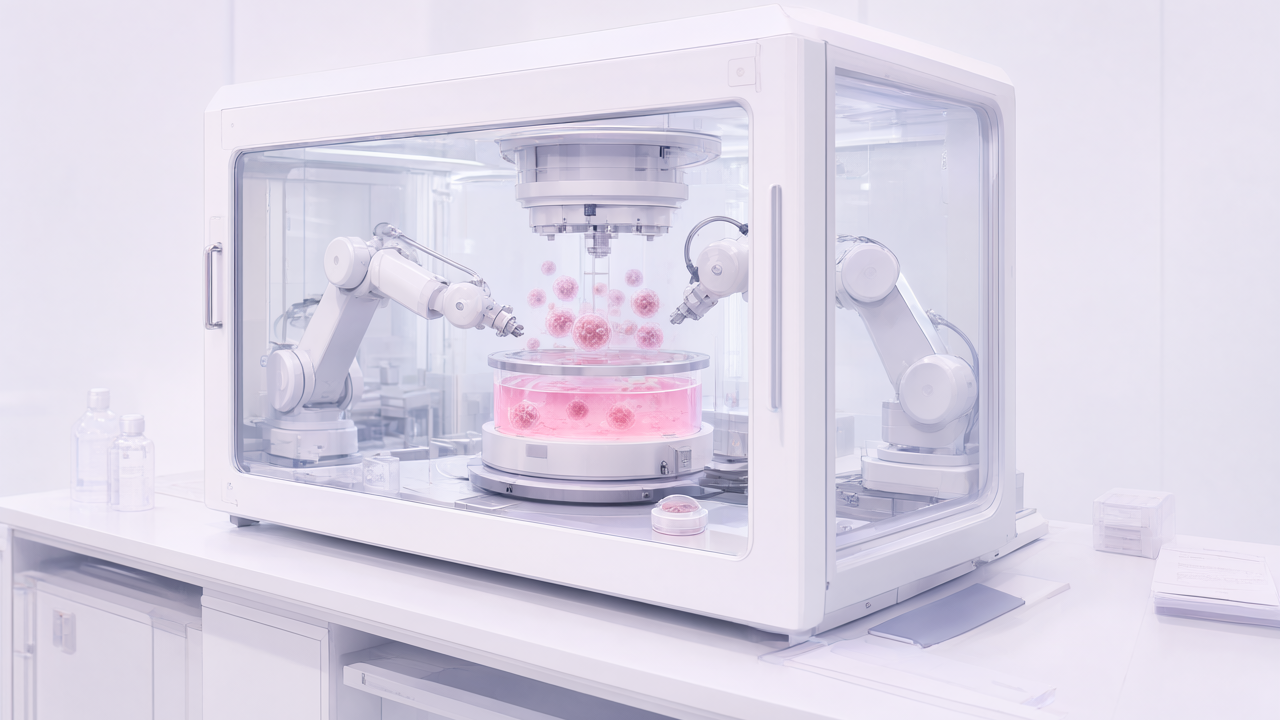
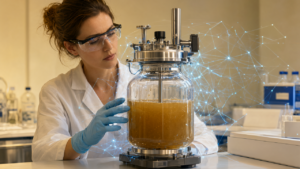
I Peace has successfully developed a fully-closed automated manufacturing system capable of mass-producing clinical-grade induced pluripotent stem cell (iPSC) lines, rigorously adhering to both FDA and PMDA safety standards. This significant achievement marks a crucial step toward industrializing iPSC-derived cell therapeutics, by providing a scalable, consistent, and quality-controlled supply of these foundational cells.
Technical / Clinical Details
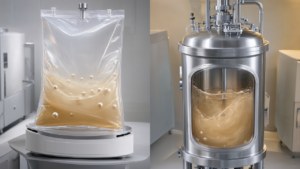
The I Peace automated system minimizes contamination risks and streamlines the entire manufacturing process, enhancing reproducibility and reducing human error. This closed-system approach is vital for regulatory compliance and ensures the high-quality required for clinical applications. In parallel, Cellistic is leveraging its 3D bioreactor-based manufacturing platform, Echo, to advance iPSC-derived CAR-NKT cells into Phase 1 trials for multiple myeloma, demonstrating progress in therapeutic development and manufacturing efficiency. BeiGene is actively developing an iPSC platform focused on reducing the cost-of-goods and improving accessibility for T-cell therapies. Furthermore, Hebecell is commercializing allogeneic iPSC-derived NK cell therapeutics, utilizing a feeder-free 3D-iPSC spheroid platform designed for highly scalable production, addressing the demand for off-the-shelf cell therapy products.
Background & Context
iPSC technology holds immense promise in regenerative medicine and cell therapy, but its commercialization has been hindered by the complexities of consistent, high-quality cell supply and navigating stringent regulatory pathways. Traditional iPSC manufacturing is often labor-intensive, costly, and difficult to scale. The advancements made by I Peace and other companies directly confront these limitations, aiming to transform iPSC-derived therapies from bespoke, patient-specific treatments to more broadly accessible, standardized pharmaceutical products. The shift towards allogeneic therapies, using master cell banks, is particularly impactful for market penetration and global patient access.
Strategic Significance & Outlook
The successful development of automated iPSC manufacturing systems, as exemplified by I Peace, is poised to accelerate the industrialization of iPSC-derived cell therapies. This will likely lead to substantial reductions in treatment costs, stabilize supply chains, and expand patient access globally. These innovations are critical for unlocking the full potential of iPSC technology, promising new therapeutic options across a wide range of diseases and driving significant growth in the regenerative medicine sector. The continued evolution of iPSC manufacturing will be a key determinant in shaping the future landscape of cell therapy.
Source: https://bioinformant.com/ipsc-derived-cell-therapeutics/
Get our weekly technology intelligence — free
Receive an infographic that lets you judge at a glance whether each field’s analysis report is worth reading.
Subscribe Free — Weekly Tech Intelligence
By subscribing, you’ll receive Troy-Technical’s weekly technology intelligence newsletter.
- Your email and selected fields are used only to deliver the newsletter.
- We never share your information with third parties.
- You can unsubscribe anytime via the link in each email.
See our Privacy Policy for details.
Takes about a minute · Unsubscribe anytime




Comments