Key Findings
Scientists at Lawrence Berkeley National Laboratory, in collaboration with NASA over a decade, have developed an innovative technology merging X-ray imaging with artificial intelligence (AI). This breakthrough enables real-time, non-destructive observation of the internal degradation of spacecraft heat shields under extreme thermal conditions, particularly during the ablation process upon atmospheric reentry. This capability provides direct insight into dynamic material changes previously only inferred, significantly enhancing the safety and reliability of thermal protection systems.
Technical / Clinical Details
The core of this advanced observation technique is built upon the following synergistic components:
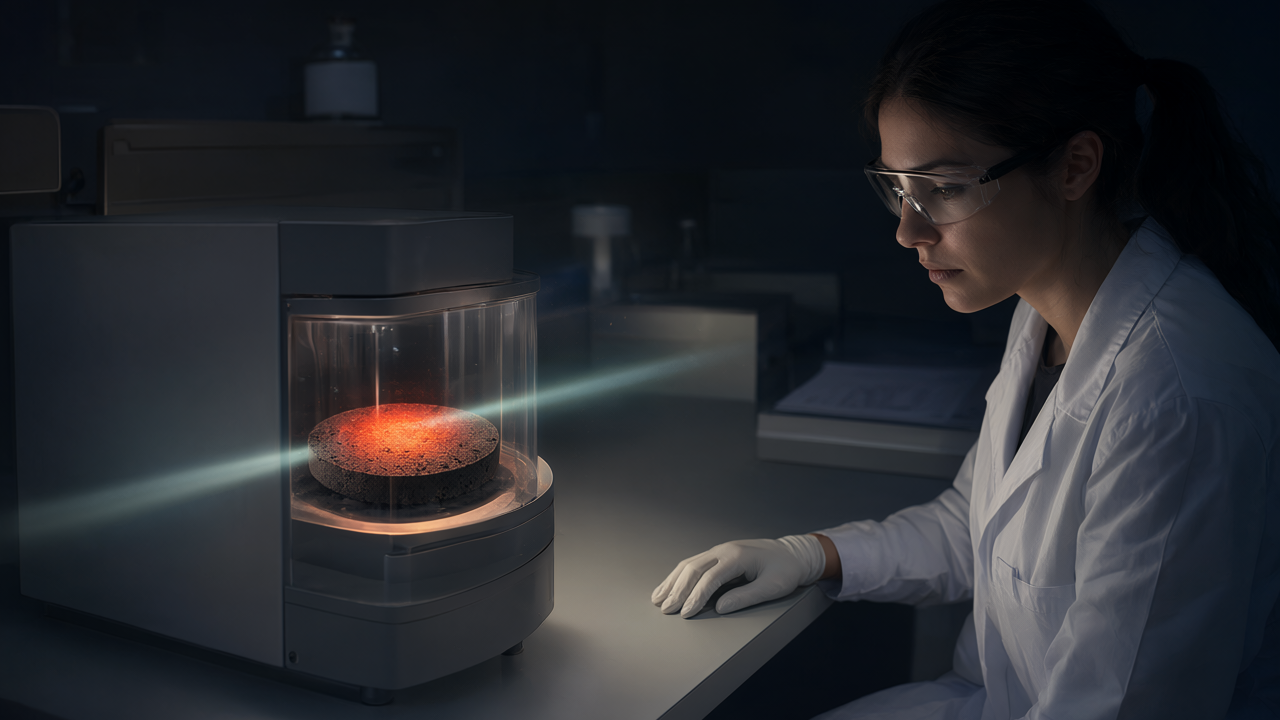
- High-Resolution X-ray Imaging: Utilizing powerful X-ray sources and high-speed detectors, the system captures detailed microstructural changes within heat shields on timescales as short as milliseconds to seconds. This allows for precise visualization of phenomena like void formation, crack initiation, and material density variations as ablation (evaporation and decomposition) progresses.
- Machine Learning and AI for Data Analysis: Advanced machine learning algorithms and AI are integrated to automatically identify and quantify material degradation patterns and rates from vast X-ray image datasets. This enables the detection of subtle changes often imperceptible to human observers and facilitates the correlation of observed behavior with physical models, thereby improving the accuracy of material performance predictions.
- Extreme Environment Simulation: Experiments are conducted in ground-based facilities that simulate actual reentry conditions, applying extreme heat fluxes to heat shield samples while simultaneously performing X-ray imaging. This allows for accurate evaluation of the behavior of materials, such as the ultralight ablators intended for the Artemis program.
Background & Context
Spacecraft heat shields represent the final line of defense, protecting both the vessel and its crew from the thousands of degrees of extreme heat and pressure generated during reentry into Earth’s or other celestial bodies’ atmospheres. However, understanding the real-time internal processes within these materials has historically been extremely challenging. Traditional testing methods were limited to post-test analysis or surface observations, with material performance predictions heavily reliant on computational models. This new technology effectively illuminates this ‘black box,’ enabling more empirically-driven design and validation.
Strategic Significance & Outlook
This real-time observation technology is poised to become an indispensable foundation for the development of heat shields for future crewed missions to Mars and for higher-speed Earth return missions. Material scientists and aerospace engineers will be able to leverage the detailed data obtained from this technology to design next-generation heat shields that are lighter, more robust, and possess more predictable performance characteristics. Furthermore, AI-driven analysis is expected to significantly shorten material development cycles and contribute to cost reductions. Ultimately, this innovation is anticipated to enhance the safety and success rates of space exploration, securing humanity’s continued expansion into the cosmos.
Get our weekly technology intelligence — free
Receive an infographic that lets you judge at a glance whether each field’s analysis report is worth reading.
Subscribe Free — Weekly Tech Intelligence
By subscribing, you’ll receive Troy-Technical’s weekly technology intelligence newsletter.
- Your email and selected fields are used only to deliver the newsletter.
- We never share your information with third parties.
- You can unsubscribe anytime via the link in each email.
See our Privacy Policy for details.
Takes about a minute · Unsubscribe anytime




Comments