

Key Findings
Astellas is making significant strides in regenerative medicine for retinal diseases by developing pluripotent stem cell (PSC)-derived therapies, critically integrating gene-edited Universal Cell technology to circumvent immune rejection. This innovative approach aims to create ‘immune-privileged’ cells that are not recognized by the recipient’s immune system, thereby enabling safer and broader access to allogeneic cell therapies for a wider patient population. This strategy is poised to enhance Astellas’ existing portfolio, including approved products like IZERVAY™.
Technical / Clinical Details
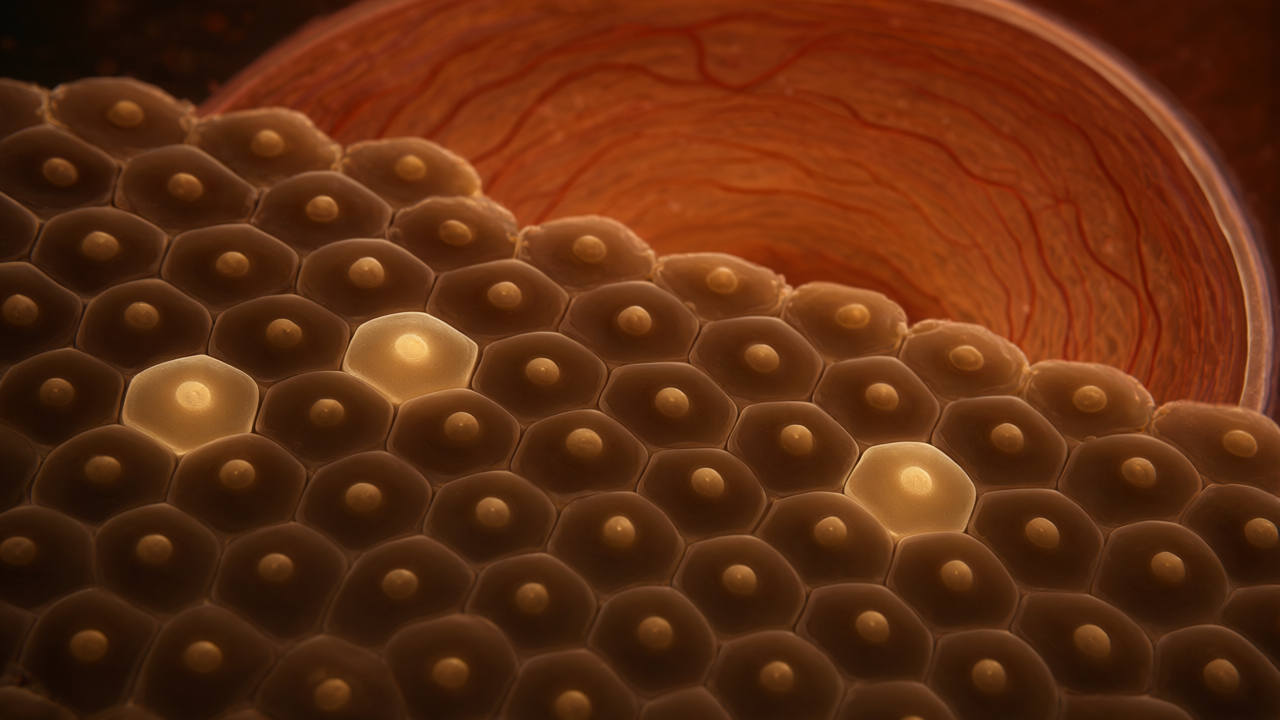
The core of Astellas’ Universal Cell technology lies in specific gene editing that prevents PSC-derived cells from being rejected by the recipient’s immune system. This involves suppressing the expression of major histocompatibility complex (MHC) class I and II genes, effectively shielding the cells from recognition by immune cells such as T cells and NK cells. This mechanism paves the way for ‘off-the-shelf’ therapeutic products, where donor-derived cells can be used for multiple patients without the need for patient-specific matching. Current research focuses on applying this technology to treat debilitating retinal disorders, including age-related macular degeneration, Stargardt disease, and optic neuropathy caused by glaucoma, with pipeline candidates progressing from preclinical to clinical development phases.
Background & Context
PSC-derived therapies, including those from induced pluripotent stem cells (iPSCs), hold immense promise for regenerative medicine due to their indefinite proliferative capacity and ability to differentiate into various cell types. However, a major hurdle for allogeneic transplantation using donor-derived cells has always been immune rejection. Traditional immunosuppressive drugs carry long-term side effects that diminish patient quality of life. Universal Cell technology offers a fundamental solution to these challenges, potentially enabling the widespread adoption of safe and effective cell therapies. Astellas’ investment in this area, as a major pharmaceutical company, underscores the accelerating pace of technological development and clinical application in regenerative medicine.
Strategic Significance & Outlook
Beyond retinal diseases, the Universal Cell technology holds potential for application in other cell therapies and organ transplantation. If immune rejection can be effectively managed, significant advancements could be made in treating various conditions using iPSC-derived cardiomyocytes, neural cells, and pancreatic islet cells. Future developments will closely monitor clinical trial results for iPSC-derived therapies utilizing this technology, focusing on data related to immune rejection suppression, long-term safety, and efficacy. While manufacturing cost reduction and scalability remain challenges, their successful resolution could establish regenerative medicine as a more affordable and accessible treatment option globally.
Source: https://newsroom.astellas.com/science-that-keeps-what-matters-in-sight
Get our weekly technology intelligence — free
Receive an infographic that lets you judge at a glance whether each field’s analysis report is worth reading.
Subscribe Free — Weekly Tech Intelligence
By subscribing, you’ll receive Troy-Technical’s weekly technology intelligence newsletter.
- Your email and selected fields are used only to deliver the newsletter.
- We never share your information with third parties.
- You can unsubscribe anytime via the link in each email.
See our Privacy Policy for details.
Takes about a minute · Unsubscribe anytime