


Key Findings
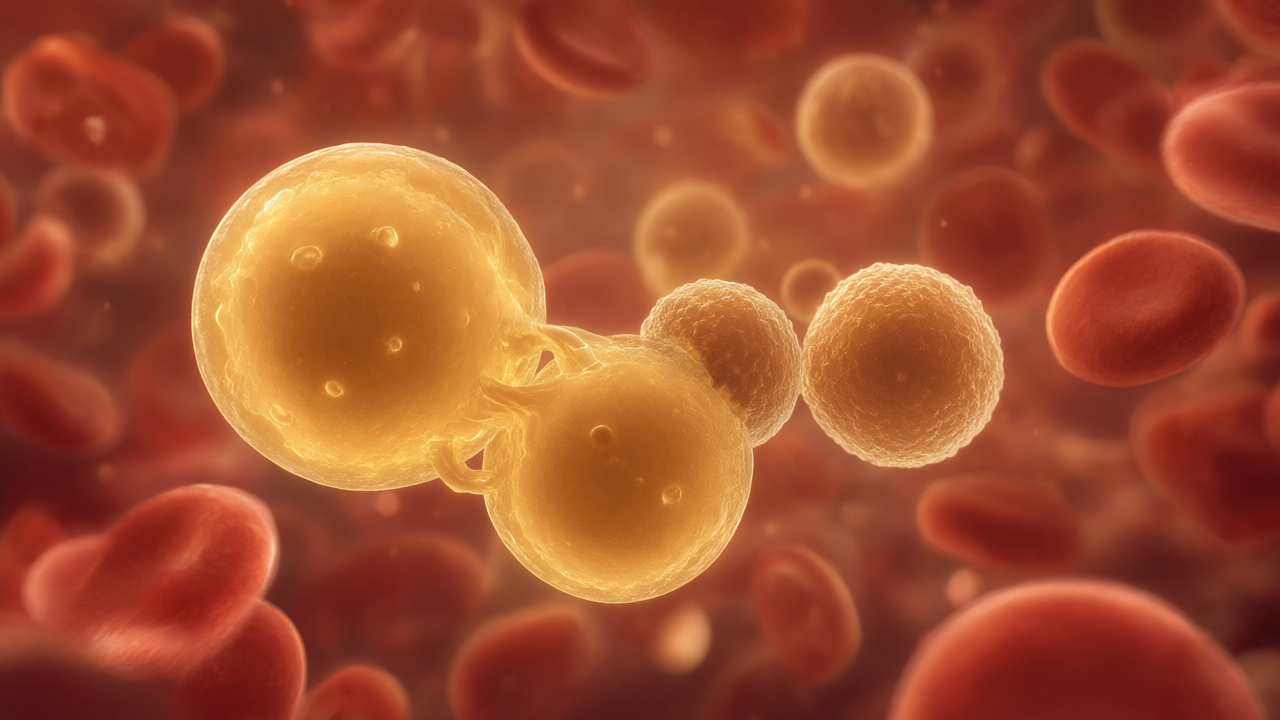
In a significant advance for cell therapy, engineered cord blood-derived CAR-NK cells targeting CD19 have shown clinical responses in patients with CD19-positive B-cell malignancies. Crucially, these responses were achieved without the incidence of severe cytokine release syndrome (CRS), neurotoxicity, or graft-versus-host disease (GvHD), common challenges associated with other forms of cellular immunotherapy. This success highlights the potential of integrating inherent NK cell functions with sophisticated genetic engineering for enhanced safety and efficacy.
Technical / Clinical Details
The innovative CAR-NK cell construct is designed with several key features. A Chimeric Antigen Receptor (CAR) is incorporated to specifically recognize CD19 on malignant B cells. To bolster the cells’ proliferative capacity and persistence within the body, interleukin-15 (IL-15) is co-expressed. A critical safety component is the inducible Caspase-9 (iCaspase-9) safety switch, which allows for the rapid and selective elimination of the engineered cells if severe adverse events occur. This ‘suicide gene’ mechanism provides an unparalleled level of control over the therapy. Clinical studies involving patients with CD19-positive B-cell malignancies have reported promising responses, demonstrating the feasibility of combining potent anti-tumor activity with a significantly improved safety profile, distinguishing this approach from conventional CAR-T cell therapies that frequently encounter dose-limiting toxicities.
Background & Context
While CAR-T cell therapies have revolutionized the treatment of hematological malignancies, their allogeneic counterparts face challenges in GvHD and autologous therapies are limited by complex manufacturing and high costs. Natural Killer (NK) cells inherently possess anti-tumor activity and a lower risk of GvHD, making them ideal candidates for allogeneic, off-the-shelf therapies. This research leverages these advantages by enhancing NK cell specificity and persistence through CAR and IL-15 expression, respectively, while addressing safety concerns with a tunable control mechanism. The ability to achieve robust responses without severe toxicities positions this engineered CAR-NK therapy as a compelling alternative, potentially offering broader access and a more manageable treatment regimen for patients.
Strategic Significance & Outlook
This development signifies a major leap forward for allogeneic cell therapies, particularly in B-cell malignancies, by demonstrating that high efficacy can be achieved with a dramatically reduced risk of severe adverse events. For patients, this could translate into a safer, more accessible, and potentially outpatient-compatible treatment option. The success of this multi-faceted engineering strategy—combining target specificity, sustained activity, and a robust safety switch—provides a blueprint for developing next-generation cellular immunotherapies for various cancers and potentially autoimmune diseases. Future directions will focus on validating these findings in larger, pivotal clinical trials and exploring the expansion of this platform to target other antigens and disease indications, solidifying its role in the evolving landscape of living medicines.
Source: https://www.nae.edu/502618/engineering-cell-therapies-as-living-medicines
Get our weekly technology intelligence — free
Receive an infographic that lets you judge at a glance whether each field’s analysis report is worth reading.
Subscribe Free — Weekly Tech Intelligence
By subscribing, you’ll receive Troy-Technical’s weekly technology intelligence newsletter.
- Your email and selected fields are used only to deliver the newsletter.
- We never share your information with third parties.
- You can unsubscribe anytime via the link in each email.
See our Privacy Policy for details.
Takes about a minute · Unsubscribe anytime