


Key Findings
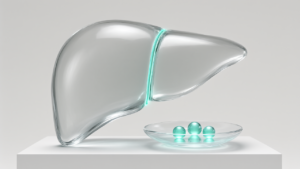
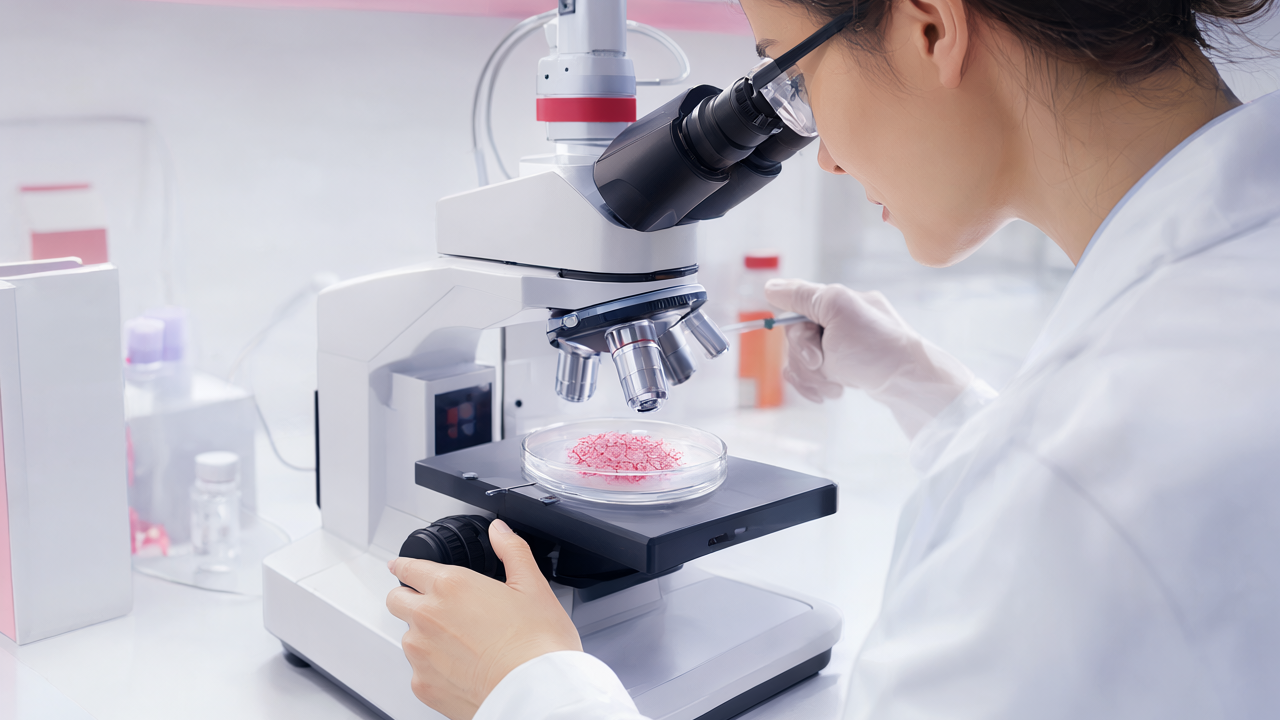
In a significant advancement for regenerative medicine, researchers have successfully developed functional 3D bioprinted kidney organoids. Utilizing a sophisticated combination of iPS cells, angiogenic bio-inks, and laser-assisted bioprinting, these engineered organoids demonstrated the ability to filter metabolic waste and reabsorb electrolytes, functionalities closely mirroring those of native human kidneys. This achievement represents a pivotal milestone beyond mere tissue construction, pointing towards the generation of truly bio-functional organs.
Technical / Clinical Details
The innovative technique allows for precise control over cell positioning and tissue organization, enabling the construction of more complex and functional biological structures. The bio-inks employed are formulated to promote cell survival and proliferation, while laser-assisted bioprinting ensures high-resolution cell placement. This technology holds immense promise for patients suffering from end-stage renal disease and could be broadly applicable to other forms of organ failure. Already, living skin grafts and vascularized meniscus and cartilage implants have completed clinical trials, providing initial validation of the technology’s safety and efficacy. These developments underscore the steady transition of 3D bioprinting from laboratory research to potential clinical application.
Background & Context
Organ transplantation, while life-saving for millions globally, faces critical challenges due to severe organ shortages and extensive waiting lists. Many patients perish or endure chronic suffering awaiting suitable donors. Advances in 3D bioprinting offer a transformative solution by enabling the creation of patient-specific organs, thereby reducing the risk of immune rejection. Chronic kidney disease, in particular, incurs enormous healthcare costs, and the practical implementation of this technology could have profound economic implications. The ability to bio-manufacture organs could fundamentally alter the landscape of transplant medicine and significantly improve patient outcomes.
Strategic Significance & Outlook
Future research will undoubtedly focus on enhancing the long-term functionality and stability of 3D bioprinted organs. Crucial areas of investigation include the successful integration of complex vascular networks and achieving sustained tissue maturation, both essential for complex organ function. While further long-term safety and efficacy data are required for widespread clinical adoption, the successful bioprinting of functional kidney organoids provides a clear roadmap towards overcoming the global organ transplant crisis. This progress positions 3D bioprinting as a transformative force in regenerative medicine, with the potential to reshape healthcare for a vast patient population.
Get our weekly technology intelligence — free
Receive an infographic that lets you judge at a glance whether each field’s analysis report is worth reading.
Subscribe Free — Weekly Tech Intelligence
By subscribing, you’ll receive Troy-Technical’s weekly technology intelligence newsletter.
- Your email and selected fields are used only to deliver the newsletter.
- We never share your information with third parties.
- You can unsubscribe anytime via the link in each email.
See our Privacy Policy for details.
Takes about a minute · Unsubscribe anytime