Key Findings
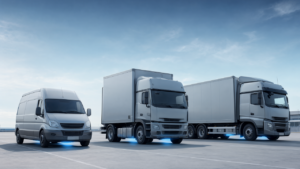
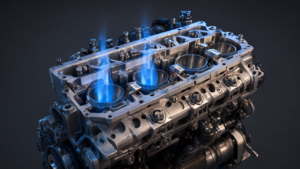
IVECO and Toyota are making substantial progress in developing long-range hydrogen trucks equipped with next-generation fuel cell technology. This collaborative project targets a driving range of over 900 km, a 300 kW fuel cell system, and durability exceeding 25,000 hours, simultaneously aiming to halve battery capacity and reduce overall vehicle weight. Initial testing is scheduled for Q4 2026, with road trials expected in early 2027.
Technical / Clinical Details
The hydrogen truck under development integrates Toyota’s advanced fuel cell stack technology with IVECO’s commercial vehicle platform. The 300 kW fuel cell system promises high energy conversion efficiency and rapid refueling times, offering operational flexibility comparable to diesel trucks. Achieving a range of over 900 km relies on optimized hydrogen storage solutions and a sophisticated vehicle energy management system. The targeted reduction in battery capacity and vehicle weight will directly translate to increased payload capacity and improved fuel efficiency, leading to lower operating costs.
Background & Context
The heavy-duty transport sector accounts for a significant portion of global CO2 emissions, making its decarbonization an urgent priority. While battery-electric trucks are suitable for short to medium-haul transport, they face challenges in long-haul applications regarding range, payload, and charging time. Hydrogen fuel cell trucks emerge as a strong contender to address these issues, offering quick refueling and zero-emission operation. The IVECO-Toyota partnership is strategically positioned to introduce practical zero-emission heavy trucks, supported by the ongoing development of hydrogen infrastructure and regulatory frameworks in Europe.
Strategic Significance & Outlook
The planned road trials in early 2027 will be a crucial step in validating the practicality and reliability of this next-generation hydrogen truck. Should the performance targets be met, it is expected to accelerate the adoption of hydrogen fuel cell trucks in long-haul transport, significantly driving the transition away from diesel. This technology is essential for complying with stricter emission regulations, such as Europe’s ‘Fit for 55’ package, and holds the key to building a sustainable logistics system.
Get our weekly technology intelligence — free
Receive an infographic that lets you judge at a glance whether each field’s analysis report is worth reading.
Subscribe Free — Weekly Tech Intelligence
By subscribing, you’ll receive Troy-Technical’s weekly technology intelligence newsletter.
- Your email and selected fields are used only to deliver the newsletter.
- We never share your information with third parties.
- You can unsubscribe anytime via the link in each email.
See our Privacy Policy for details.
Takes about a minute · Unsubscribe anytime