Key Findings
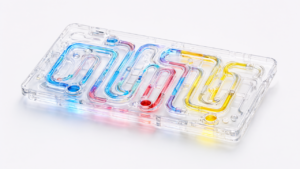
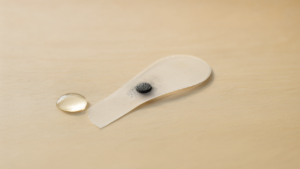
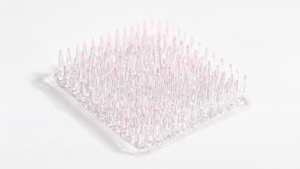
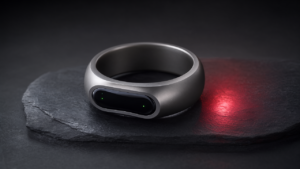
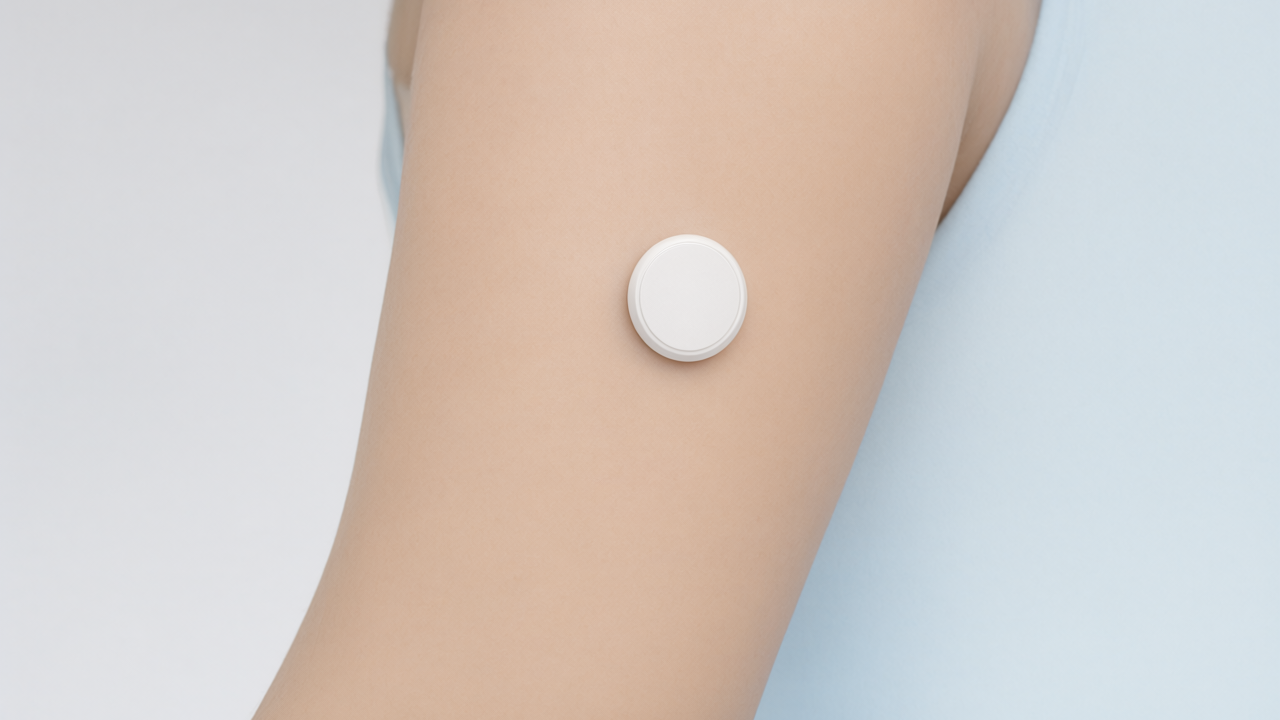
The wearable medical device market is rapidly transcending the realm of mere smartwatches, evolving into sophisticated biosensor patches that continuously or intermittently acquire physiological data and convert it into clinically actionable insights. A prime illustration of this evolution is the Dexcom G7 system, which has successfully extended its sensor wear duration from the previous 10 days to an impressive 15.5 days, while also improving measurement accuracy to 8.0%. The U.S. Food and Drug Administration (FDA) is increasingly evaluating these devices not solely as hardware innovations but under the “Software as a Medical Device (SaMD)” and “AI/ML-enabled device” frameworks, indicating a new regulatory direction for this sector.
Technical / Clinical Details
The extended sensor wear duration of the Dexcom G7 significantly enhances patient convenience, reducing the burden of frequent sensor replacements. This was achieved through more stable adhesive technology, miniaturized sensor design, and improved battery efficiency. The 8.0% accuracy measurement is a remarkably high standard for a continuous glucose monitoring (CGM) device, enabling patients and healthcare professionals to make decisions based on more reliable blood glucose data. The FDA’s SaMD framework applies when software functions as a standalone medical device, while the AI/ML-enabled device framework is used for evaluating devices incorporating artificial intelligence and machine learning algorithms. These regulatory advancements highlight the growing importance of clinical validation and safety assurance for increasingly complex and intelligent wearable medical devices.
Background & Context
The proliferation of wearable technology, coupled with rising individual health awareness, is revolutionizing preventive medicine, chronic disease management, and remote patient monitoring. While traditional medical devices were confined to hospitals and clinics, wearables seamlessly integrate into patients’ daily lives, enabling real-time data collection. This empowers patients with a more detailed understanding of their health status, allowing healthcare providers to offer more personalized care. For individuals with diabetes, in particular, a high-precision, long-wear CGM like the Dexcom G7 directly contributes to improved glycemic control and reduced hypoglycemia risk. The FDA’s emphasis on software and AI/ML aspects reflects the increasing necessity to evaluate the reliability, robustness, and ethical considerations of algorithms that directly influence medical decisions.
Strategic Significance & Outlook
The wearable medical device market is poised for continued expansion, adapting to rapid technological innovation and evolving regulatory landscapes. The success of Dexcom G7 demonstrates that highly functional and user-friendly products are highly valued in the market. In the future, we anticipate the emergence of multi-functional wearable devices that holistically monitor various biomarkers beyond glucose (e.g., heart rate variability, stress levels, sleep patterns, respiratory data) and use AI to comprehensively analyze patient conditions, aiding in early disease detection and the formulation of personalized treatment plans. This will lead to more predictive and preventive healthcare, enabling patients to take a more active role in their health management.
Source: https://www.igtps.com/blog/wearable-medical-devices-guide
Get our weekly technology intelligence — free
Receive an infographic that lets you judge at a glance whether each field’s analysis report is worth reading.
Subscribe Free — Weekly Tech Intelligence
By subscribing, you’ll receive Troy-Technical’s weekly technology intelligence newsletter.
- Your email and selected fields are used only to deliver the newsletter.
- We never share your information with third parties.
- You can unsubscribe anytime via the link in each email.
See our Privacy Policy for details.
Takes about a minute · Unsubscribe anytime