Key Findings
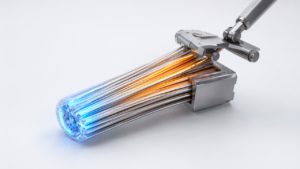
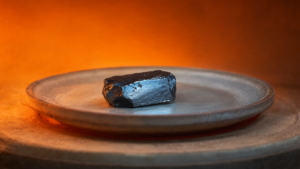
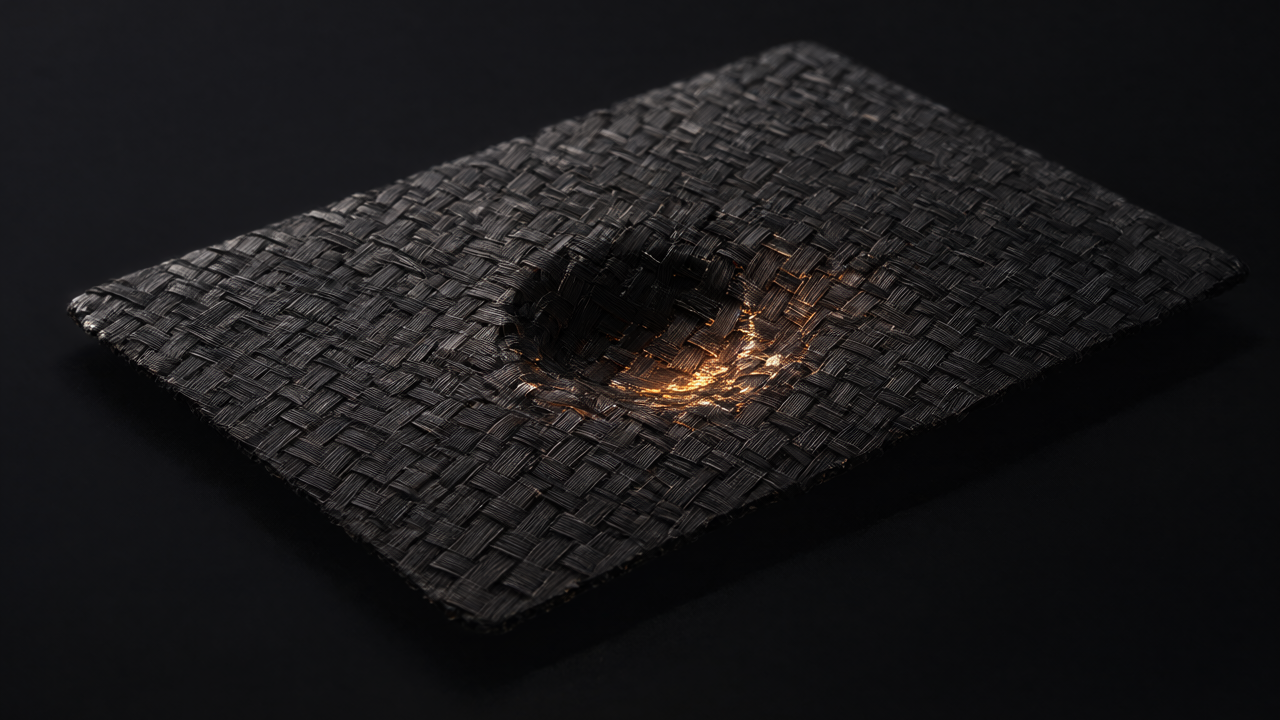
Researchers at the Indian Institute of Science (IISc) Bangalore have achieved a significant breakthrough in functional materials, developing a new carbon fiber composite that is not only self-healing and recyclable but also electrically functional. This innovative material demonstrates a remarkable 64% recovery of its structural integrity after impact damage, addressing critical durability concerns for aerospace applications and paving the way for a more sustainable future in material science.
Technical / Clinical Details
The newly developed composite material leverages a unique polymer-epoxy blend that enables its multi-faceted capabilities. Beyond its impressive self-healing performance, which is activated by heat, the material boasts a -46 dB electromagnetic interference (EMI) shielding effectiveness, crucial for protecting sensitive electronics in aircraft and spacecraft. Furthermore, it exhibits rapid de-icing capabilities, melting surface ice in just 47 seconds, enhancing safety and operational efficiency in cold environments. A groundbreaking aspect of this material is its recyclability: after being fully recycled, it retains 92% of its original interlaminar shear strength, a key indicator of structural integrity. This is a substantial improvement over traditional thermoset composites, which are notoriously difficult to recycle.
Background & Context
The aerospace industry faces immense pressure to reduce its environmental footprint, with vast quantities of unrecyclable composite waste ending up in landfills. Traditional carbon fiber composites, while offering excellent strength-to-weight ratios, are typically made with thermosetting resins that prevent easy reprocessing once cured. The development from IISc directly confronts this challenge, offering a pathway to extend the lifespan of components through self-healing and subsequently enable their complete reclamation and reuse. This aligns with global efforts to transition towards a circular economy, minimizing waste and maximizing resource utilization across high-tech industries.
Strategic Significance & Outlook
The implications of this research are profound for the aerospace and defense sectors, promising a new generation of materials that are both high-performance and environmentally responsible. The ability to self-heal damage in-situ could dramatically reduce maintenance frequency and costs, while extending the operational life of critical components. The high recyclability of the material also offers a sustainable solution to end-of-life disposal, reducing manufacturing costs and environmental impact. Future work will likely focus on scaling up production methods and conducting extensive testing in real-world aerospace conditions to validate the long-term performance and reliability of these composites, positioning India at the forefront of advanced materials innovation.
Get our weekly technology intelligence — free
Receive an infographic that lets you judge at a glance whether each field’s analysis report is worth reading.
Subscribe Free — Weekly Tech Intelligence
By subscribing, you’ll receive Troy-Technical’s weekly technology intelligence newsletter.
- Your email and selected fields are used only to deliver the newsletter.
- We never share your information with third parties.
- You can unsubscribe anytime via the link in each email.
See our Privacy Policy for details.
Takes about a minute · Unsubscribe anytime