Key Findings
An automated glucose feeding system, integrating Raman Process Analytical Technology (PAT) with advanced feedback control, has achieved revolutionary results in monoclonal antibody (mAb) manufacturing. This system successfully reduced mAb glycation by a remarkable 40% to 58%, while simultaneously increasing antibody titer by up to 25%. This clearly demonstrates the potential of real-time process monitoring and automated, dynamic nutrient feeding to dramatically enhance both biopharmaceutical quality and production efficiency.
Technical/Clinical Details
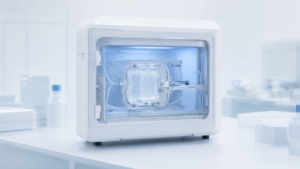
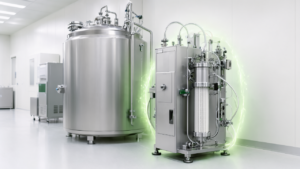
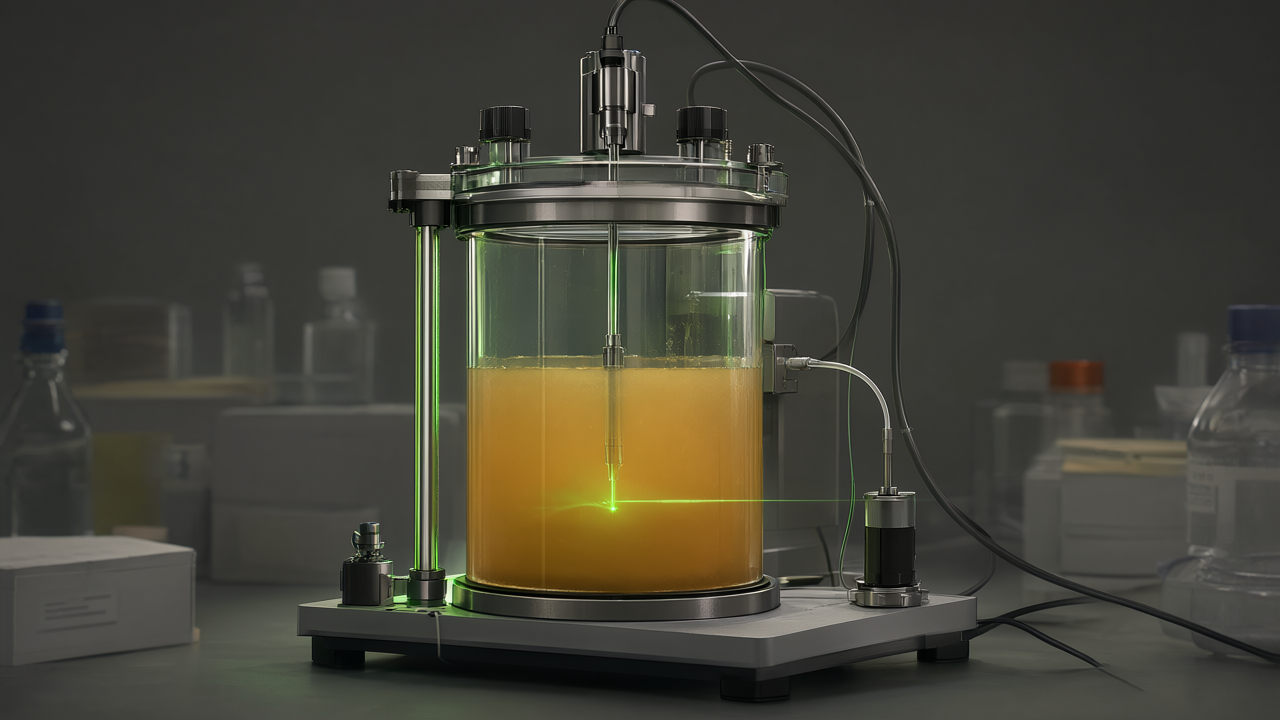
This automated glucose feeding system utilizes a Raman spectrometer directly connected to the bioreactor to measure glucose concentration in the cell culture medium in real time. The measured data is fed into a control algorithm that automatically calculates and adjusts the glucose feeding rate required to maintain target glucose concentrations. This feedback loop prevents both over- and under-feeding of glucose, thereby optimizing the cellular metabolic state. Strict control over glucose concentration is known to directly influence protein glycosylation (specifically glycation), a Critical Quality Attribute (CQA) in cell culture. Reduced glycation positively impacts the biological activity, stability, and immunogenicity of mAbs, improving the therapeutic efficacy and safety of the product. Furthermore, optimized nutrient supply promotes healthy cell proliferation, leading to increased antibody titer.
- Core Technology: Automated glucose feeding via Raman PAT and feedback control.
- Impact: 40-58% reduction in mAb glycation, up to 25% increase in antibody titer.
- Mechanism: Real-time glucose monitoring and dynamic feeding adjustments optimize cell metabolism.
- Benefits: Enhanced product quality (stability, activity) and manufacturing efficiency, reduced costs.
Background & Context
Monoclonal antibodies are essential biopharmaceuticals for treating many diseases, including cancer and autoimmune disorders. However, their manufacturing is complex, and ensuring consistent product quality has always been a challenge. Even minor fluctuations in cell culture conditions can affect quality attributes like glycosylation, impacting drug efficacy and safety. Traditional batch-wise or manual feed adjustments were often variable and inefficient. The integration of Raman PAT with automated feedback control represents a significant step towards overcoming these challenges and embodying the Quality by Design (QbD) approach.
Strategic Significance & Outlook
Automated nutrient feeding with Raman PAT feedback control is highly likely to become a standard practice in future biopharmaceutical manufacturing. This technology will extend beyond glucose to other critical nutrients and metabolites, contributing to the optimization of more complex, multivariate processes. Furthermore, its integration with AI and digital twin technologies will enable even more sophisticated predictive control and autonomous manufacturing, becoming a key to realizing next-generation smart biomanufactories. This is expected to further reduce biopharmaceutical development timelines and manufacturing costs, ensuring high-quality therapeutics reach patients more rapidly and consistently.
Source: https://bioprocesstools.com/blog/automated-nutrient-feeding-pat-control/
Get our weekly technology intelligence — free
Receive an infographic that lets you judge at a glance whether each field’s analysis report is worth reading.
Subscribe Free — Weekly Tech Intelligence
By subscribing, you’ll receive Troy-Technical’s weekly technology intelligence newsletter.
- Your email and selected fields are used only to deliver the newsletter.
- We never share your information with third parties.
- You can unsubscribe anytime via the link in each email.
See our Privacy Policy for details.
Takes about a minute · Unsubscribe anytime