Key Findings
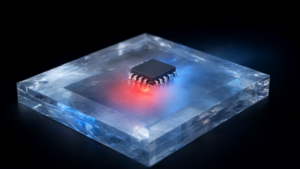
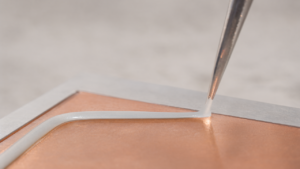
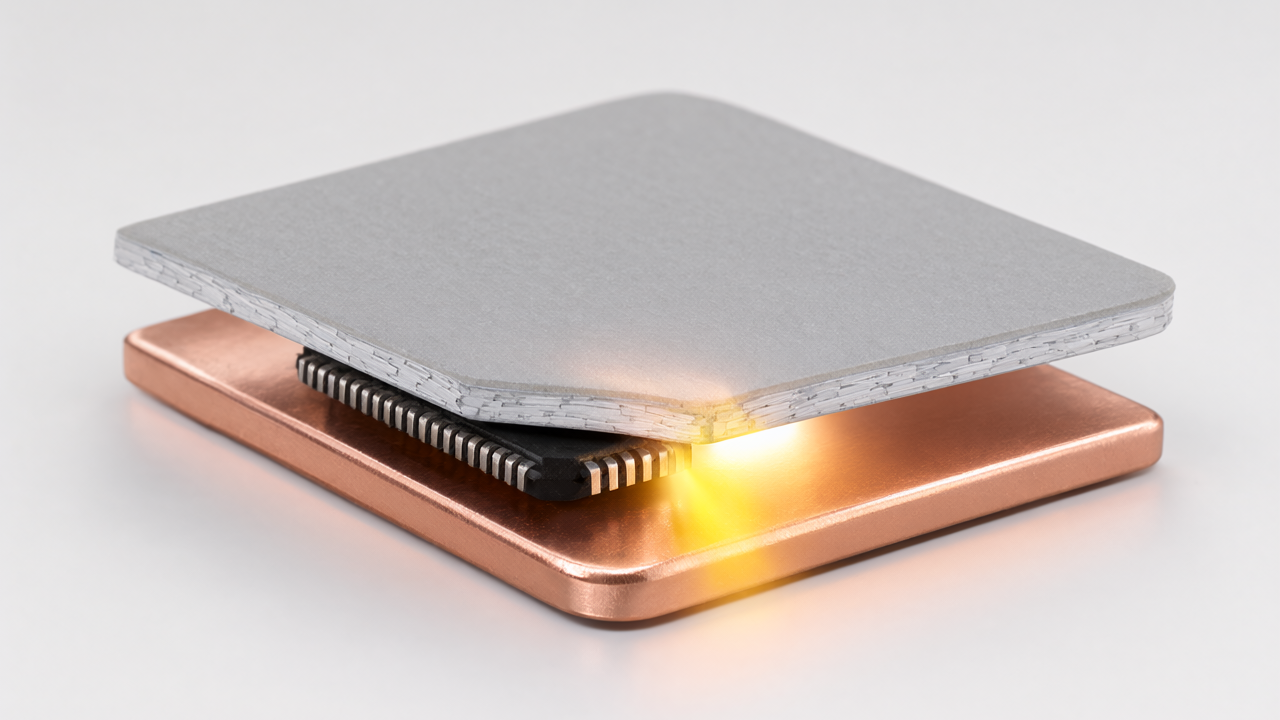
A research team from Tiangong University, in collaboration with the Shandong Product Quality Inspection Institute in China, has engineered an innovative silicone-based thermal interface material (TIM) designed for high-performance electronics. This new composite features boron nitride platelets and graphene nanoplatelets assembled into vertically oriented networks, achieving an impressive thermal conductivity of 2.51 W/mK at an exceptionally low filler loading of just 8 weight percent, while simultaneously maintaining very high electrical resistance.
Technical Details
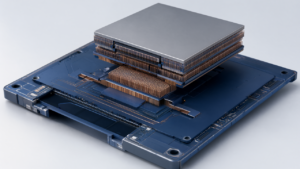
The high performance of this TIM stems from its unique design, where thermally conductive fillers—boron nitride platelets and graphene nanoplatelets—are precisely aligned within a silicone matrix to form vertical networks. Traditional TIMs often require high filler loadings to achieve adequate thermal conductivity, which can lead to reduced electrical resistance, increased viscosity, and compromised processability. This new approach overcomes these limitations by forming efficient heat conduction pathways even at low filler concentrations. The vertical orientation ensures direct and rapid heat transfer from the device to the heat sink, significantly enhancing overall thermal performance. Concurrently, the silicone-based matrix ensures excellent electrical insulation, crucial for the safety and reliability of electronic devices.
Background and Industry Context
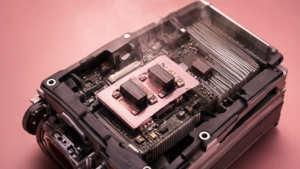
As electronic devices become smaller, more powerful, and densely packed, thermal management has emerged as a paramount challenge. High heat generation in components like AI chips, high-performance processors, and electric vehicle power electronics directly impacts device performance, longevity, and reliability. Conventional TIMs struggle to balance high thermal conductivity with electrical insulation, and often suffer from processing difficulties due to high filler content. This research offers a cost-effective and high-performance solution to these persistent issues, representing a significant step forward in the thermal management landscape for advanced electronics.
Strategic Significance and Outlook
This novel vertical nanotube network TIM is expected to bring substantial improvements in thermal management across a wide range of high-performance electronic applications, including laptops, servers, base stations, and electric vehicle inverters. The achievement of high performance at low filler loadings could also lead to reduced material costs and simplified manufacturing processes, paving the way for broader commercial adoption. Its application in electric vehicle batteries and inverters, for instance, could mitigate the risk of thermal runaway, enhancing product safety and reliability. This development marks a significant advancement in meeting the ever-growing thermal demands of next-generation electronics.
Get our weekly technology intelligence — free
Receive an infographic that lets you judge at a glance whether each field’s analysis report is worth reading.
Subscribe Free — Weekly Tech Intelligence
By subscribing, you’ll receive Troy-Technical’s weekly technology intelligence newsletter.
- Your email and selected fields are used only to deliver the newsletter.
- We never share your information with third parties.
- You can unsubscribe anytime via the link in each email.
See our Privacy Policy for details.
Takes about a minute · Unsubscribe anytime