

Key Findings
Virtual Biotech has demonstrated the ability to streamline pharmaceutical discoveries by simulating a complex human R&D organization. In a primary test, the system analyzed over 50,000 clinical trials in less than a week, a task that would typically take human researchers years to complete. Additionally, the platform identified that drugs targeting cell-type-specific genes were 48% more likely to reach the market and exhibited 32% fewer adverse events.
Technical Details
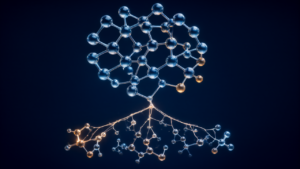
The platform utilizes a hierarchical framework of tens of thousands of specialized AI agents trained to mirror the organizational structure of biotech companies. A virtual chief scientific officer (CSO) coordinates agents across several specialized domains:
- Target discovery
- Safety assessment
- Modality selection
- Clinical development
To ensure precision, the team verified findings through PhD-level human experts who successfully reproduced the agents’ results. The system also includes technological guardrails, such as a dedicated reviewer agent. From a cost perspective, the researchers predict the cost will be less than $1 per agent.
Background & Context
Developed at Stanford’s Department of Biomedical Data Science by James Zou, Harrison Zhang, and other collaborators, the project follows a 2025 virtual lab that designed proteins for experimental validation. The findings were published in Science on September 17. A practical application of the system occurred in late 2024, when the agents devised a therapeutic strategy using an antibody-drug conjugate (ADC) to target B7-H3, a protein overexpressed in various cancers. This specific strategy was independently reached by a private pharmaceutical company in August 2025.
Significance & Outlook
Virtual Biotech is an open-source research project intended to complement human researchers rather than replace them, acting as a “co-scientist” to handle mundane tasks. This approach may alleviate funding pressures resulting from NIH budget disruptions. The team’s future objective is to expand the scope of AI scientists by incorporating them into wet lab workflows.
Source: https://stanforddaily.com/2026/10/14/ai-powered-biotech-could-shave-years-off-of-drug-discovery/
Get our weekly technology intelligence — free
Receive an infographic that lets you judge at a glance whether each field’s analysis report is worth reading.
Subscribe Free — Weekly Tech Intelligence
By subscribing, you’ll receive Troy-Technical’s weekly technology intelligence newsletter.
- Your email and selected fields are used only to deliver the newsletter.
- We never share your information with third parties.
- You can unsubscribe anytime via the link in each email.
See our Privacy Policy for details.
Takes about a minute · Unsubscribe anytime