


Key Findings
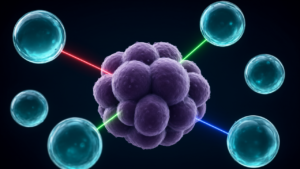
The study identifies two primary determinants of efficacy for allogeneic CAR T cell therapies: the patient’s immune system’s tendency to reject donor-derived cells and the intrinsic biological fitness of the engineered cells. Data indicate that patients with poor therapeutic cell expansion exhibited significantly higher levels of anti-donor immune responses, while those with successful expansion showed little evidence of immune rejection.
Technical Details
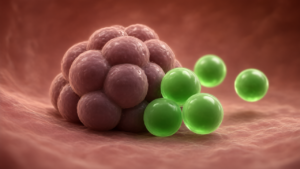
The research focused on patients with relapsed or refractory large B-cell lymphoma treated with cemacabtagene ansegedleucel (cema-cel), an investigational off-the-shelf CAR T therapy. Using molecular and immune analyses, the team tracked the behavior of infused cells and the host’s response. The results revealed that pre-existing immunity can trigger a “hidden immunological battle,” eliminating infused cells before they can multiply and persist long enough to destroy cancer cells.
Beyond host rejection, the researchers found that “cell fitness” varies across different donor-derived products. Certain CAR T cell populations consistently demonstrated a superior ability to multiply, persist, and destroy cancer cells regardless of the specific manufacturing batch or cancer type.
Background & Context
Conventional CAR T therapies are autologous, meaning they are manufactured from a patient’s own T cells. While effective, this process is complex and takes weeks, which is often too slow for patients with aggressive disease. Allogeneic, or “off-the-shelf,” therapies use healthy donor cells manufactured in advance to allow for immediate delivery. However, these face the biological challenge of being recognized as foreign by the patient’s immune system, similar to organ transplant rejection.
Significance & Outlook
These insights provide a roadmap for improving allogeneic therapy in two directions. Clinically, the framework allows for the identification of patients prone to rejection before treatment begins, enabling personalized interventions. From a manufacturing perspective, the findings suggest that optimizing donor selection and production methods can enrich the final products for higher biological fitness.
Get our weekly technology intelligence — free
Receive an infographic that lets you judge at a glance whether each field’s analysis report is worth reading.
Subscribe Free — Weekly Tech Intelligence
By subscribing, you’ll receive Troy-Technical’s weekly technology intelligence newsletter.
- Your email and selected fields are used only to deliver the newsletter.
- We never share your information with third parties.
- You can unsubscribe anytime via the link in each email.
See our Privacy Policy for details.
Takes about a minute · Unsubscribe anytime