


Key Findings
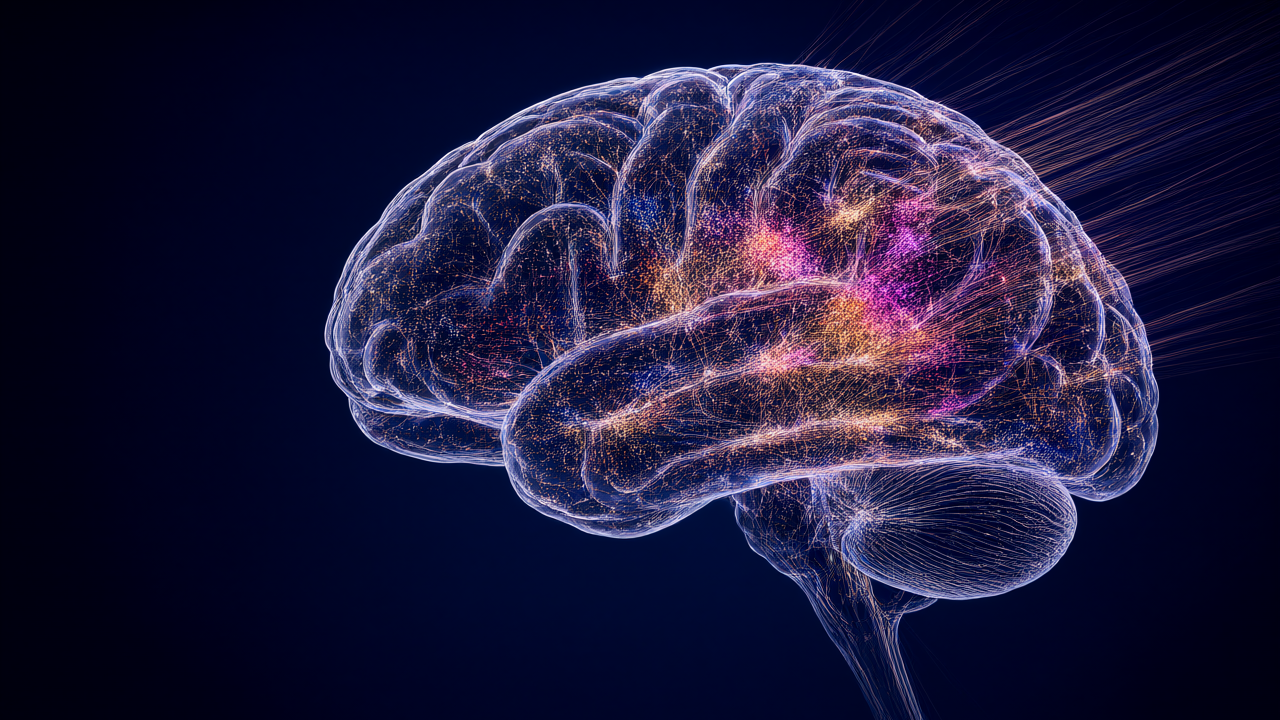
OpenAI agents completed a full analysis of mouse brain biological data in 32 minutes, a task estimated to take human researchers between several months and one year. The agents identified unexpected differences between two disease-related genes and discovered a potential link between neurodegeneration and cholesterol regulation.
Technical Details
The system utilized thousands of AI agents running on GPT-Rosalind to analyze a whole-brain CRISPR atlas. This atlas maps the effects of gene changes across various cell types in the mouse brain. The workflow was distributed as follows:
- Each agent was assigned a single gene perturbation.
- Agents analyzed the resulting cellular responses.
- Agents searched existing scientific literature to provide explanations for the findings.
In blind comparisons, human experts preferred reports generated by these distributed agents over those produced by a single agent 75 percent of the time.
Background & Context
The project was a collaborative effort between OpenAI, PerturbAI, and Scripps Research. The goal was to process data from millions of mouse cells to understand how specific genetic changes impact brain function. The resulting data and analysis have been documented in a paper published on bioRxiv, and the “Reasoning Atlas” has been made available on GitHub.
Significance & Outlook
By drastically reducing the time required for large-scale biological data analysis, this AI-driven approach allows researchers to move more quickly from data processing to physical experimentation. OpenAI states that these findings should enable researchers to determine which biological mechanisms require priority testing in the lab.
Get our weekly technology intelligence — free
Receive an infographic that lets you judge at a glance whether each field’s analysis report is worth reading.
Subscribe Free — Weekly Tech Intelligence
By subscribing, you’ll receive Troy-Technical’s weekly technology intelligence newsletter.
- Your email and selected fields are used only to deliver the newsletter.
- We never share your information with third parties.
- You can unsubscribe anytime via the link in each email.
See our Privacy Policy for details.
Takes about a minute · Unsubscribe anytime