

Key Findings
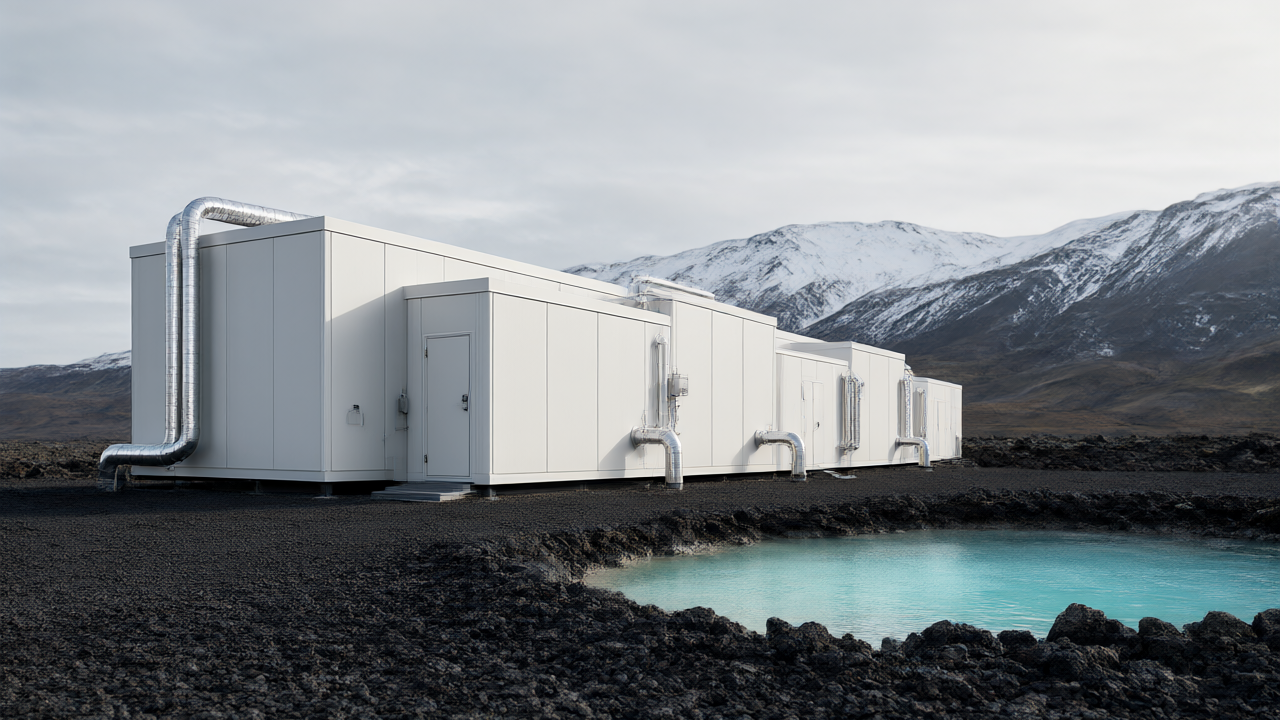
An independent technical review conducted by Prof. Nigel Brandon of Imperial College London has confirmed that Syntholene’s demonstration facility in Húsavík, Iceland, achieved proof-of-performance for its geothermally-integrated SOEC. The report, dated October 19th, 2026, concludes that the facility demonstrates world-class efficiency and the potential to produce cost-competitive green aviation fuel under favorable commercial conditions.
Technical Details
The independent review verified the following electrical efficiency metrics:
- Stack Electrical Consumption: Average of 34.90 kWh/kg H₂, representing 95.5% electrical efficiency on a lower heating value (LHV) basis.
- System Consumption: Stack and SOEC auxiliary electrical consumption (excluding steam generation) was 38.60 kWh/kg H₂.
These results were sustained over 713 Phase Two high-load hours. The broader testing campaign included 2,520 hourly records, with a total selected-load runtime of 1,478 hours and a longest uninterrupted selected-load run of 795 hours.
Internal analysis further indicated that hydrogen production exceeded 90% of the high-load reference output during 97.7% of the 732-hour Phase Two observation period. Additionally, Phase Two showed approximately 60% higher hydrogen output and 10.5% lower system electricity consumption per kilogram of hydrogen compared to Phase One.
Background and Context
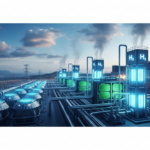
The facility integrates geothermal heat and electricity to reduce the electrical energy required for electrolysis. By substituting geothermal heat for electricity and utilizing reliable baseload energy, Syntholene aims to eliminate the need for costly battery and hydrogen buffer storage. This architecture also allows for the use of stranded geothermal resources to generate revenue for powerplant operators.
Significance and Outlook
Syntholene asserts that this integration provides a structural cost advantage over traditional low-temperature electrolysis powered by intermittent renewables or the grid, as it does not rely on government subsidies or rebates. The company now intends to shift focus toward commercial-scale deployment and integration into downstream synthetic fuel production to challenge the economics of conventional fossil fuels.
Get our weekly technology intelligence — free
Receive an infographic that lets you judge at a glance whether each field’s analysis report is worth reading.
Subscribe Free — Weekly Tech Intelligence
By subscribing, you’ll receive Troy-Technical’s weekly technology intelligence newsletter.
- Your email and selected fields are used only to deliver the newsletter.
- We never share your information with third parties.
- You can unsubscribe anytime via the link in each email.
See our Privacy Policy for details.
Takes about a minute · Unsubscribe anytime