


Key Findings
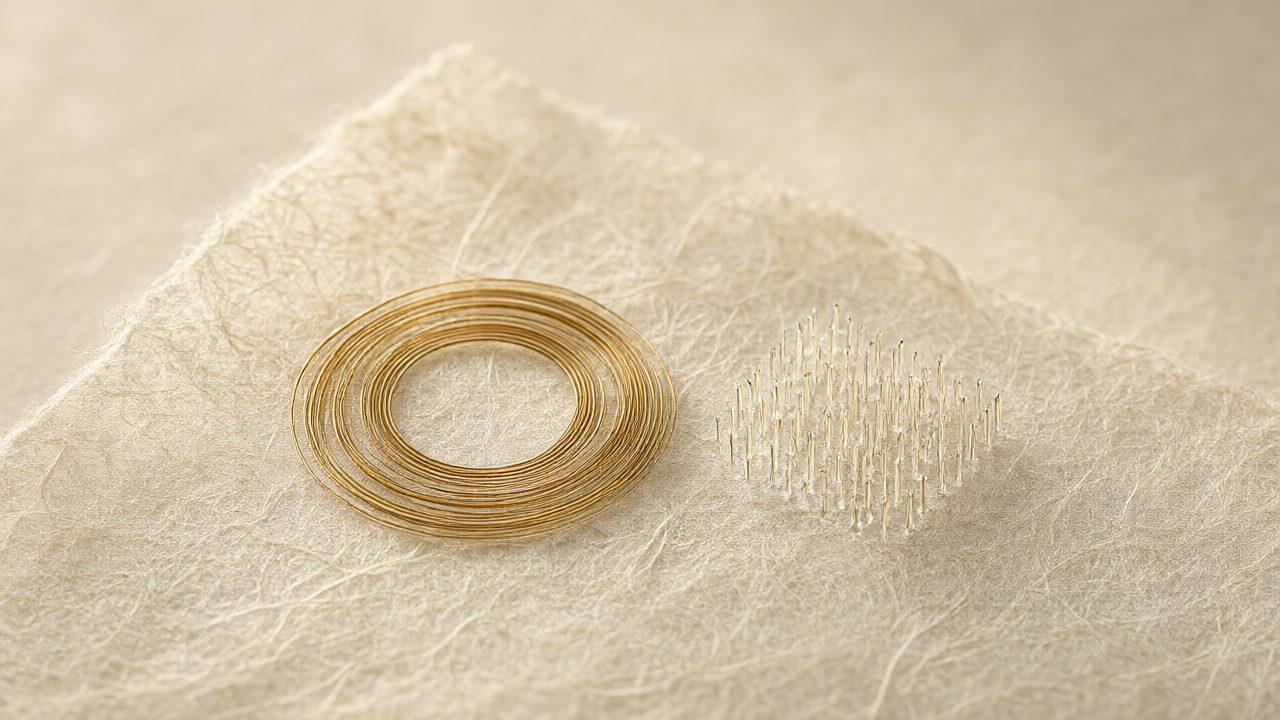
The developed theranostic patch combines wireless electrochemical sensing with 3D-printed microneedles on a breathable mulberry paper substrate. The sensor successfully detected uric acid concentrations from 0.01 to 8 micromolar with a detection limit of 9.3 nanomolar. In tests using buffer and sweat, the sensor showed recoveries between 98.1% and 101.3%, results that were consistent with liquid chromatography–mass spectrometry analysis.
Technical Details
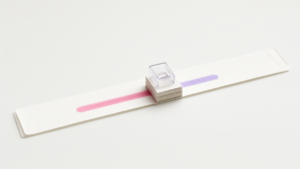
The use of porous plant-fiber mulberry paper facilitates moisture transport, with the water contact angle decreasing from 72.19° to 7.96° within six seconds. This breathability reduces moisture accumulation under the patch and directs sweat toward the sensing electrodes. The sensor dried within 13 seconds after use and maintained consistent readings over three consecutive uses, utilizing a wireless board with a peak power draw of approximately 15 mW.
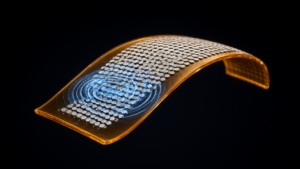
The drug-delivery component consists of light-based 3D-printed microneedles fabricated directly onto the paper without an adhesive layer. Optimized microneedles achieved a drug-loading capacity of 25.36%, an increase from 12.6% for unmodified versions. These needles penetrated approximately 954 micrometers into excised rat skin without structural deformation and released 56.41% of a loaded model dye over 80 hours.
Background and Context
Conventional wearable health-monitoring patches often suffer from poor breathability, which can trap sweat, cause skin discomfort, and reduce the reliability of biochemical monitoring. By utilizing hanji, the researchers aimed to balance skin comfort with efficient sweat collection for personalized care.
Significance and Outlook
Because uric acid serves as a marker for hyperuricemia and gout, this breathable platform could enable at-home monitoring without the need for frequent blood draws. Future research will focus on testing clinically relevant uric acid-lowering drugs, performing skin-safety studies, and evaluating the platform for real-time on-body monitoring.
Get our weekly technology intelligence — free
Receive an infographic that lets you judge at a glance whether each field’s analysis report is worth reading.
Subscribe Free — Weekly Tech Intelligence
By subscribing, you’ll receive Troy-Technical’s weekly technology intelligence newsletter.
- Your email and selected fields are used only to deliver the newsletter.
- We never share your information with third parties.
- You can unsubscribe anytime via the link in each email.
See our Privacy Policy for details.
Takes about a minute · Unsubscribe anytime