Key Findings
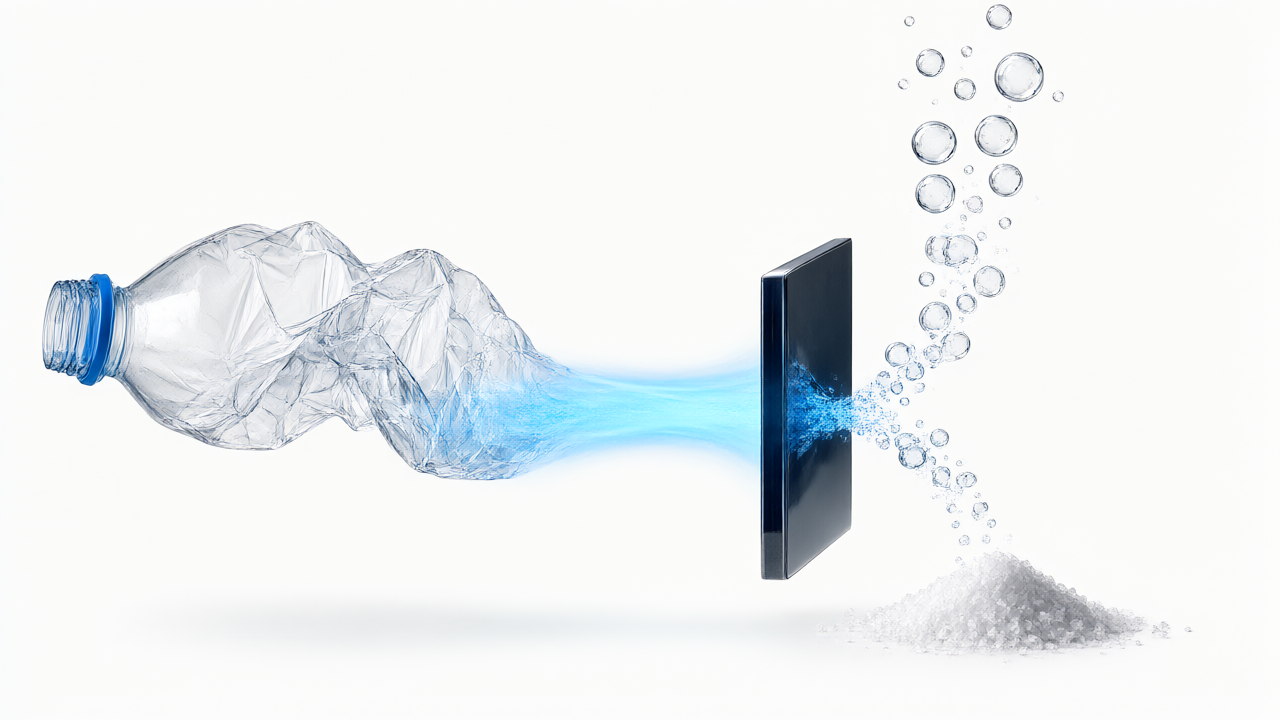
A research team led by Professor Myung-Ryong Choi at Gyeongsang National University has developed an electrochemical catalyst capable of efficiently converting ethylene glycol—a byproduct of waste plastic decomposition—into formate while simultaneously producing hydrogen. Using the developed catalyst, the team recorded a Faradaic efficiency of 83.09% and a formate production rate of 1248 µmol cm⁻² h⁻¹ at 1.60 V, outperforming existing nickel selenide catalysts.
Technical Details
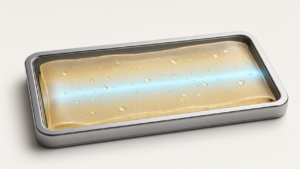
The catalyst (Ir/NiSe) was synthesized using the Liquid Pulse Laser Irradiation (PLIL) method to create nickel selenide (NiSe), followed by the atomic-level dispersion of iridium (Ir) bonded with selenium (Se) into the nickel sites. The electron-withdrawing properties of iridium alter the electronic structure of the surrounding nickel, which promotes the generation of nickel oxyhydroxide (NiOOH), the active substance that facilitates the electrochemical oxidation of ethylene glycol.
The research team identified the primary reaction pathway: ethylene glycol undergoes double adsorption onto the catalyst, converting into glyoxal as an intermediate before finally becoming formate. Furthermore, the team established an electrochemical system combining ethylene glycol oxidation with a hydrogen evolution reaction to produce both formate and hydrogen. They also successfully recovered terephthalic acid (TPA) and potassium diformate (KDF) from the waste PET decomposition liquid.
Background & Context
Polyethylene terephthalate (PET), commonly used in plastic bottles and fibers, can be decomposed to obtain ethylene glycol. As environmental pollution from plastics increases, there is a growing need for resource recovery technologies that transform waste into useful industrial chemical raw materials rather than simple recycling.
Significance & Outlook
This research demonstrates the technical possibility of linking waste plastic recycling to the production of energy and high-value chemicals. The results were published online on August 20 in the journal Angewandte Chemie International Edition (IF 17.6). The project was funded by the Ministry of Education’s Basic Science Research Capacity Strengthening Program with support from the National Research Facilities and Equipment Center (NFEC) of the Korea Basic Science Institute (KBSI).
Source: https://www.cnbnews.com/news/articleView.html?idxno=1022736
Get our weekly technology intelligence — free
Receive an infographic that lets you judge at a glance whether each field’s analysis report is worth reading.
Subscribe Free — Weekly Tech Intelligence
By subscribing, you’ll receive Troy-Technical’s weekly technology intelligence newsletter.
- Your email and selected fields are used only to deliver the newsletter.
- We never share your information with third parties.
- You can unsubscribe anytime via the link in each email.
See our Privacy Policy for details.
Takes about a minute · Unsubscribe anytime