

Key Findings
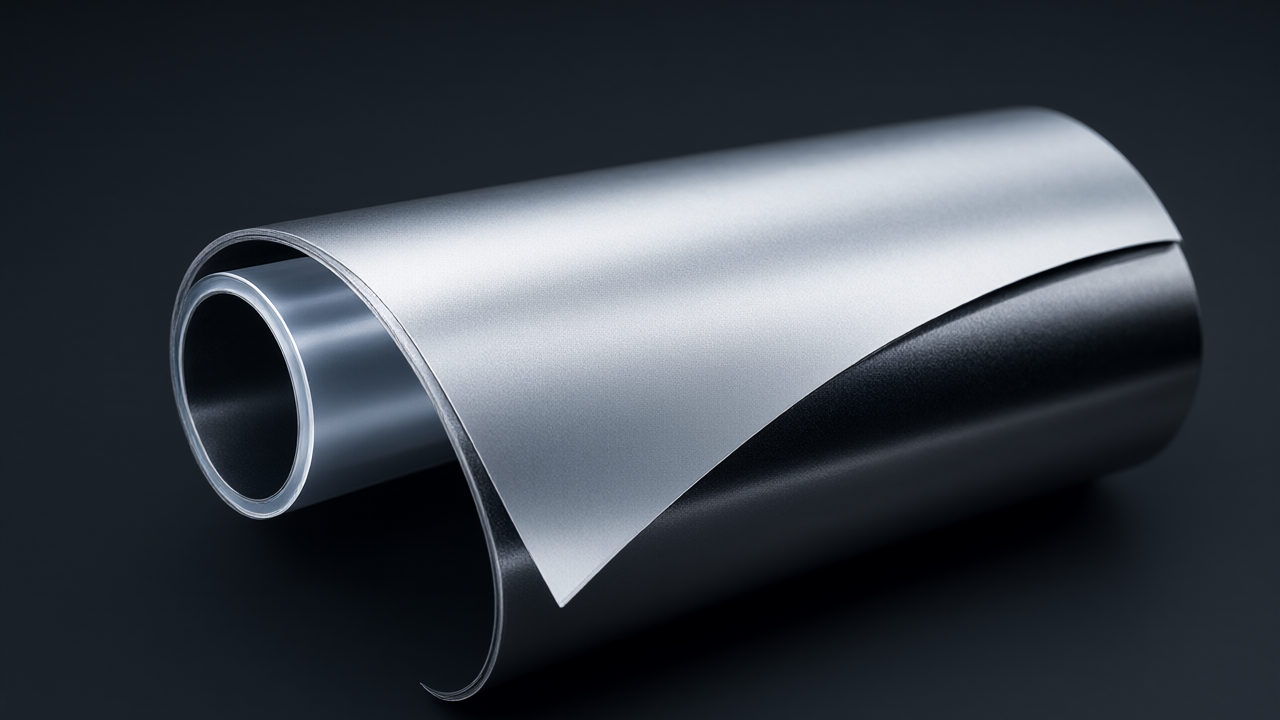
The optimization of electroplating current density significantly improves the mechanical and electrochemical properties of nickel-polyethylene terephthalate-nickel (Ni/PET/Ni) composite foils. The foil prepared at a current density of 1 A/dm², designated as CNF-1, achieved an initial discharge capacity of 597.98 mAh/g at 0.1 C when utilized as an anode current collector in silicon-carbon‖lithium half cells. This configuration outperformed conventional copper foil in terms of cycling stability.
Technical Details
The CNF-1 composite foil exhibits a refined surface morphology of 1.2 µm and a low surface roughness with an Ra value of 0.218 µm. Structural and durability assessments indicate the following specifications:
- Tensile Strength: 372.33 MPa
- Corrosion Resistance: Characterized by a current density of 1.785×10⁻⁶ A/cm²
These properties were achieved by precisely modulating the electroplating current density to engineer the nickel microstructure of the flexible composite.
Background & Context
In solid-state battery systems, conventional copper current collectors are susceptible to critical challenges, specifically corrosion and mechanical degradation. While nickel is recognized as a promising alternative due to its superior anodic stability, the specific relationship between the microstructure, properties, and performance of nickel in composite collectors had previously remained underexplored.
Significance & Outlook
The research establishes that modulating electroplating current density is a viable strategy for designing durable, high-performance current collectors. By engineering the microstructure of Ni/PET/Ni composite foils, researchers can overcome the stability limitations of copper, providing a more robust component for advanced solid-state battery applications.
Get our weekly technology intelligence — free
Receive an infographic that lets you judge at a glance whether each field’s analysis report is worth reading.
Subscribe Free — Weekly Tech Intelligence
By subscribing, you’ll receive Troy-Technical’s weekly technology intelligence newsletter.
- Your email and selected fields are used only to deliver the newsletter.
- We never share your information with third parties.
- You can unsubscribe anytime via the link in each email.
See our Privacy Policy for details.
Takes about a minute · Unsubscribe anytime